MSI Gaming GT75VR 7RF-046NE Titan Pro RAM upgrade specifications

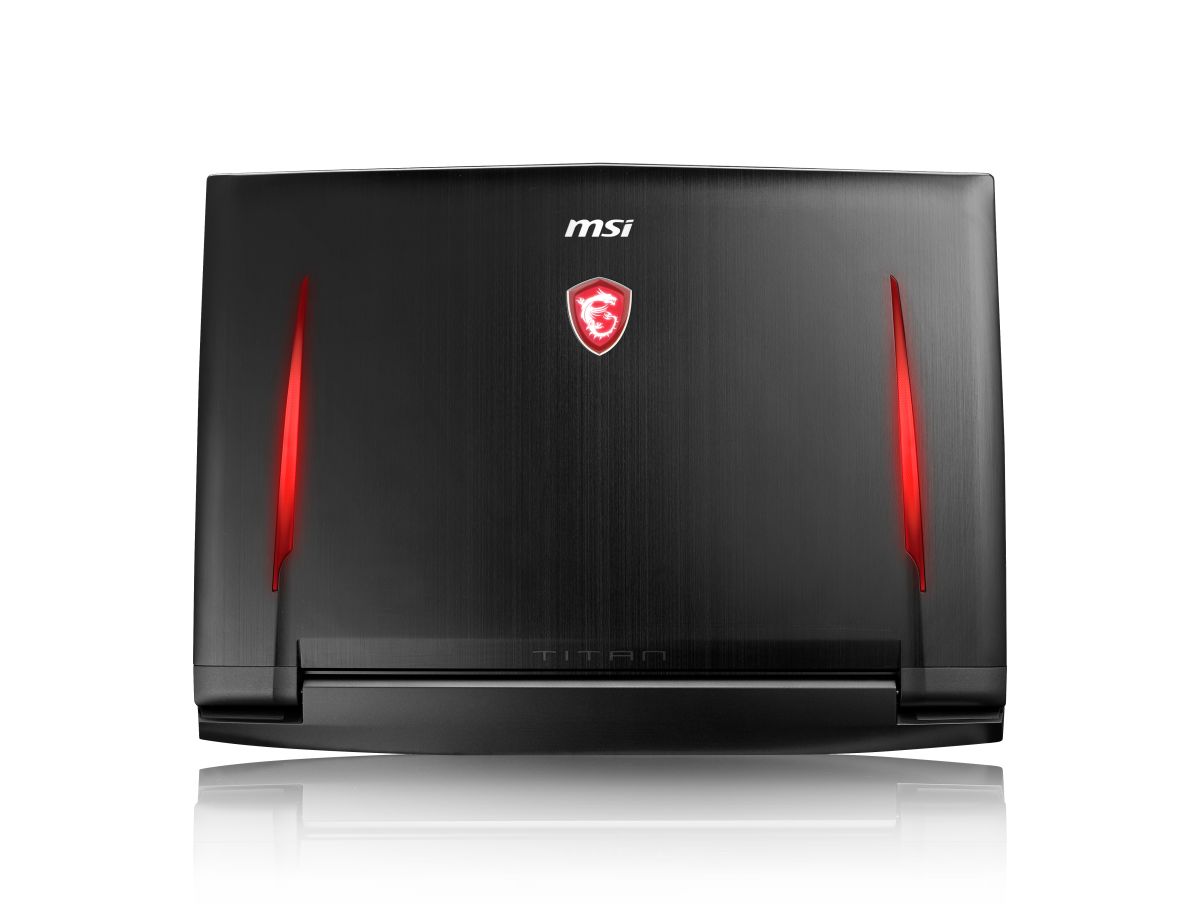
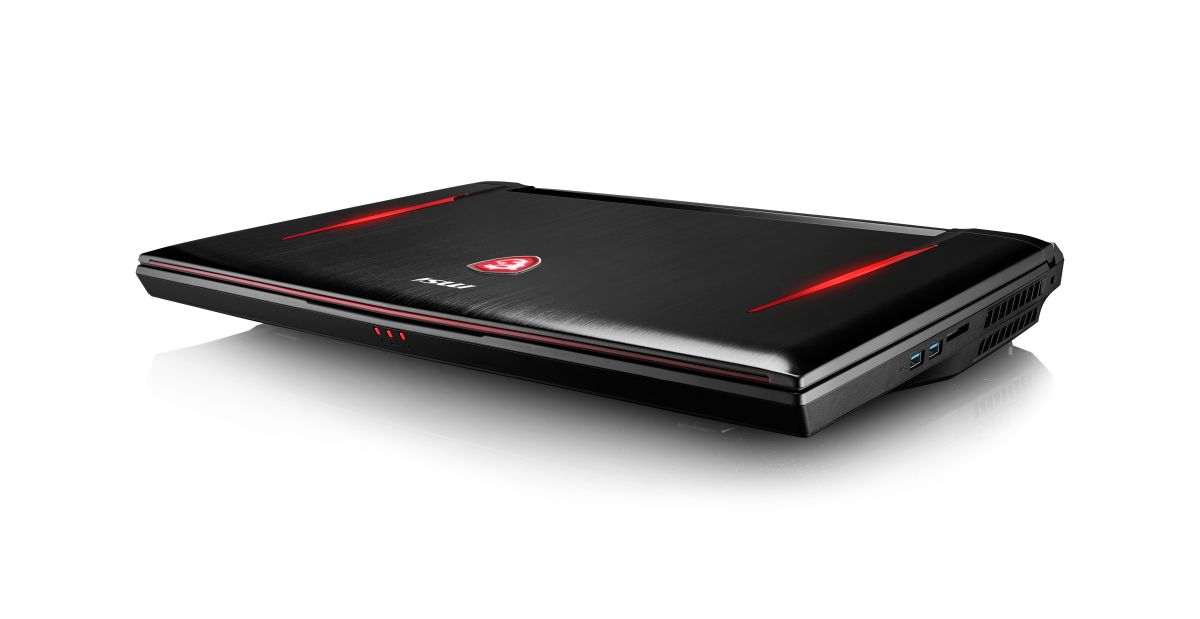


MSI GT75VR 7RF-046NE Titan Pro gaming laptop supports DDR4-SDRAM memory upgrade across 4x SO-DIMM slots. Maximum supported capacity reaches 64 GB total RAM. Compatible memory modules operate at 2400 MHz frequency. Current specifications provide upgrade flexibility for users requiring enhanced multitasking and performance capabilities in gaming and professional applications.
Memory Upgrade Specifications
| Specification | Value |
|---|---|
| Memory slots | 4x SO-DIMM |
| Form factor | SO-DIMM |
| Memory type | DDR4-SDRAM |
| Frequency | 2400 MHz |
| Maximum RAM | 64 GB |
| Voltage | 1.2V |
| Number of pins | 260-pin |
| Interface | PC4 |
| PC Speed Rating | PC4-2400 (PC4-19200) |
| Bandwidth | 19.2 GB/s |
| Laptop Release date | 21 March 2018 |
Additional Notes
- The MSI GT75VR 7RF-046NE Titan Pro 4-slot configuration permits asymmetric memory configurations without requiring matched pairs, though dual-channel mode requires modules in paired slots for optimal bandwidth utilization.
- DDR4-2400 represents the maximum officially supported frequency for this chipset generation, and higher-rated modules will downclock to this speed regardless of their rated specifications.
- SO-DIMM form factor restricts aftermarket module selection compared to desktop DIMM availability, particularly for specialized low-latency or RGB variants.
- The 64 GB ceiling requires four 16 GB modules to reach maximum capacity, as 32 GB SO-DIMM modules exceed this platform's addressing capabilities.
- Seventh-generation Intel mobile platforms lack native support for DDR4-2666 or faster speeds without overclocking, limiting performance scaling in memory-intensive workloads.
- Dual-channel architecture means populating all 4 slots still operates in 2-channel mode, not quad-channel, with bandwidth capped at 38.4 GB/s theoretical maximum.
- Non-ECC unbuffered modules are required, as SO-DIMM ECC variants physically fit but remain incompatible with consumer mobile chipsets.
- Module height typically does not pose clearance issues in this chassis design, unlike ultraportable models where low-profile restrictions apply.
- Mixing module capacities across slots functions correctly but may prevent flex mode optimizations that improve bandwidth in specific capacity configurations.
- Warranty preservation requires avoiding modules exceeding JEDEC voltage specifications above 1.2V standard for DDR4, as higher-voltage XMP profiles may void coverage.
- Latency timings at 2400 MHz typically default to CL17 for JEDEC-compliant modules, with minimal real-world performance variance between CL15 and CL17 at this frequency.
- Single-rank versus dual-rank module architecture affects performance marginally, with dual-rank potentially offering 2-5% throughput improvements in specific applications.