MSI Gaming GT75VR 7RF-237XES Titan Pro RAM upgrade specifications

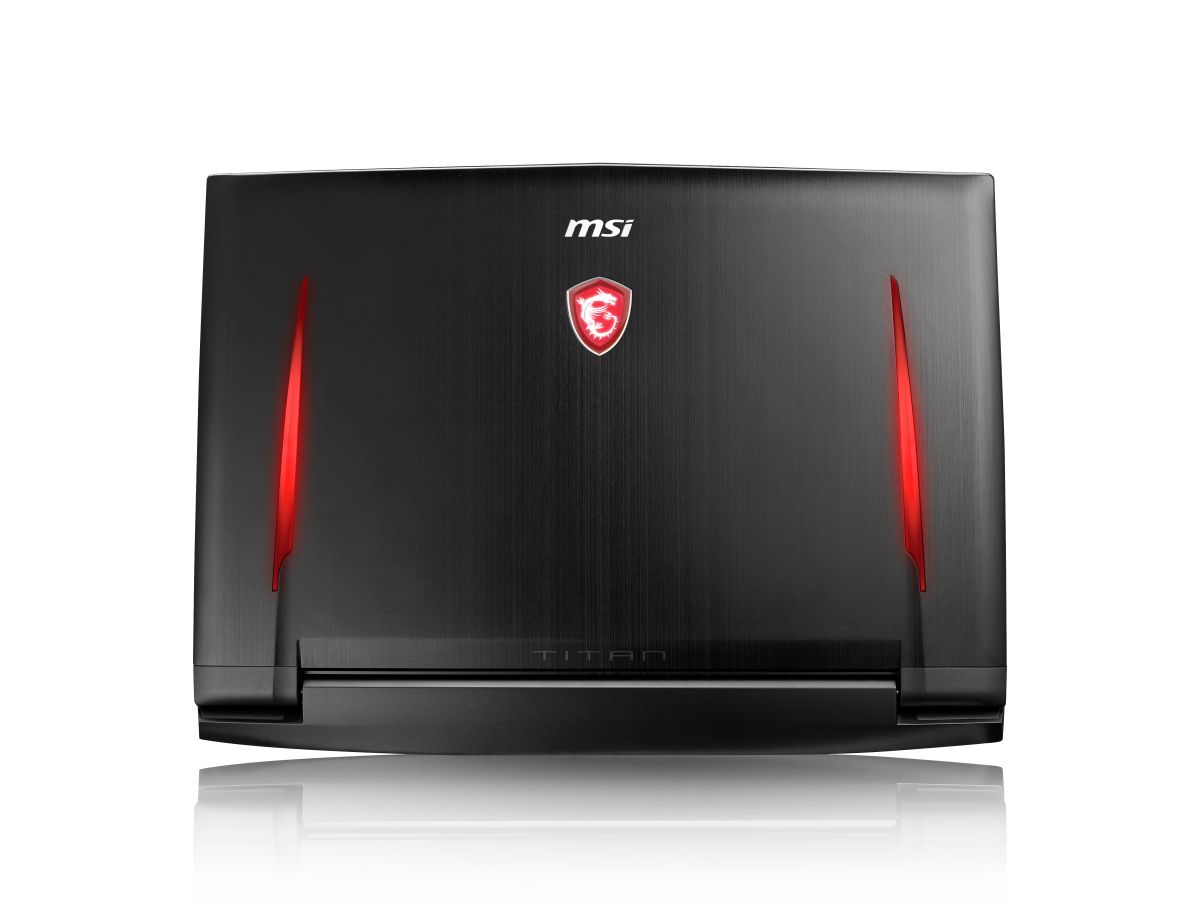
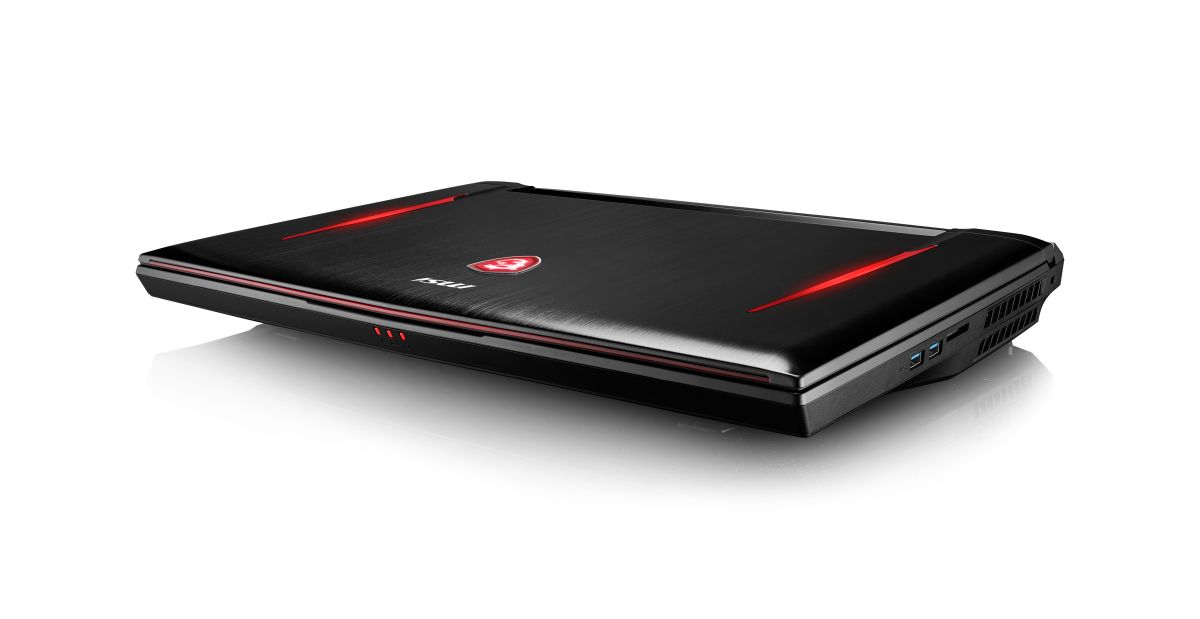


The MSI GT75VR 7RF-237XES Titan Pro gaming laptop features four SO-DIMM memory slots supporting DDR4-SDRAM upgrade capacity. Compatible memory modules operate at 2400 MHz frequency specifications. Maximum RAM upgrade supported reaches 64 GB total capacity. SO-DIMM form factor memory modules are required for compatible upgrades with the GT75VR Titan Pro series. Specifications indicate the MSI Gaming GT family laptop supports standard DDR4 memory configuration with quad-slot architecture for memory expansion.
Memory Upgrade Specifications
| Specification | Value |
|---|---|
| Memory slots | 4x SO-DIMM |
| Form factor | SO-DIMM |
| Memory type | DDR4-SDRAM |
| Frequency | 2400 MHz |
| Maximum RAM | 64 GB |
| Voltage | 1.2V |
| Number of pins | 260-pin |
| Interface | PC4 |
| PC Speed Rating | PC4-2400 (PC4-19200) |
| Bandwidth | 19.2 GB/s |
| Laptop Release date | 13 January 2018 |
Additional Notes
- The 4 SO-DIMM slots enable quad-channel memory architecture when all slots are populated with matched modules, potentially doubling memory bandwidth compared to dual-channel configurations.
- The MSI GT75VR 7RF-237XES Titan Pro supports DDR4-2400 natively, but higher-frequency modules will downclock to this specification due to chipset or processor limitations, making premium-speed RAM purchases functionally redundant.
- Reaching the 64 GB ceiling requires 4 modules of 16 GB each, leaving no unpopulated slots for future expansion beyond this threshold.
- Mixing module capacities across the 4 slots may force the memory controller into asymmetric or flex mode operation, potentially reducing bandwidth efficiency despite maintaining dual or quad-channel functionality.
- Non-ECC unbuffered SO-DIMM modules are required, as standard desktop DIMM form factors are physically incompatible with notebook memory slots.
- Voltage specifications typically default to 1.2V for DDR4-2400, and using modules rated for 1.35V or higher may trigger stability issues or prevent POST completion.
- Installing modules with mismatched CAS latencies across channels can force all RAM to operate at the slowest timing profile present, degrading overall system responsiveness.
- The 2400 MHz frequency represents JEDEC standard rather than XMP/overclocked speeds, simplifying compatibility but eliminating headroom for performance tuning through BIOS adjustments.
- Accessing all 4 memory slots may require partial disassembly including removal of the bottom panel and potentially the keyboard assembly, depending on internal chassis layout.
- Operating with only 1 or 2 modules leaves the system in single or dual-channel mode, halving or quartering potential memory bandwidth compared to a fully populated quad-channel configuration.
- Thermal considerations become relevant when all 4 slots are occupied, as densely packed SO-DIMMs generate cumulative heat that may affect sustained performance under memory-intensive workloads.