MSI Gaming GT76 10SF-034 Titan RAM upgrade specifications


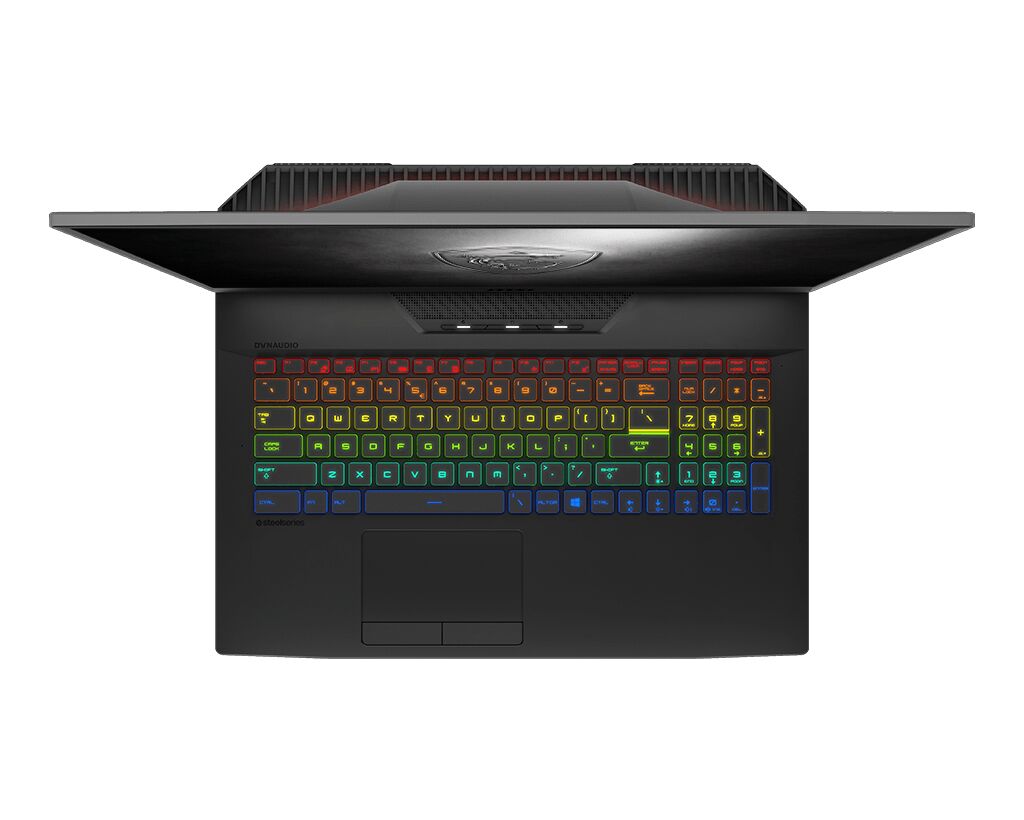
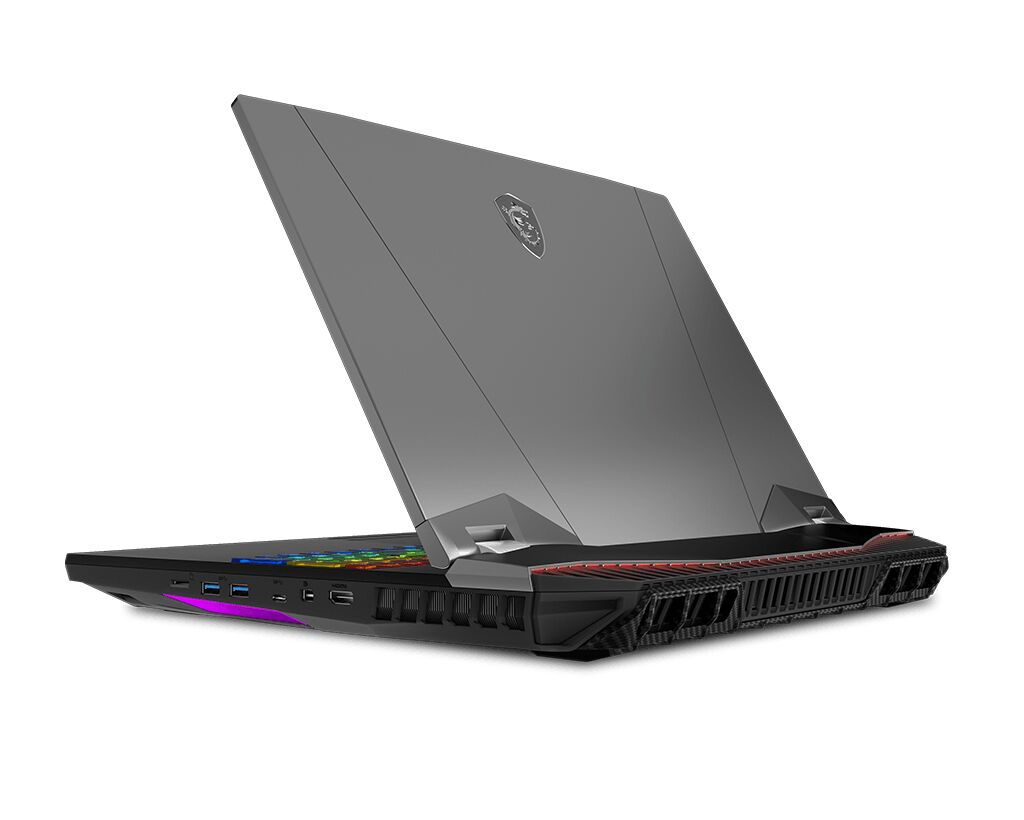
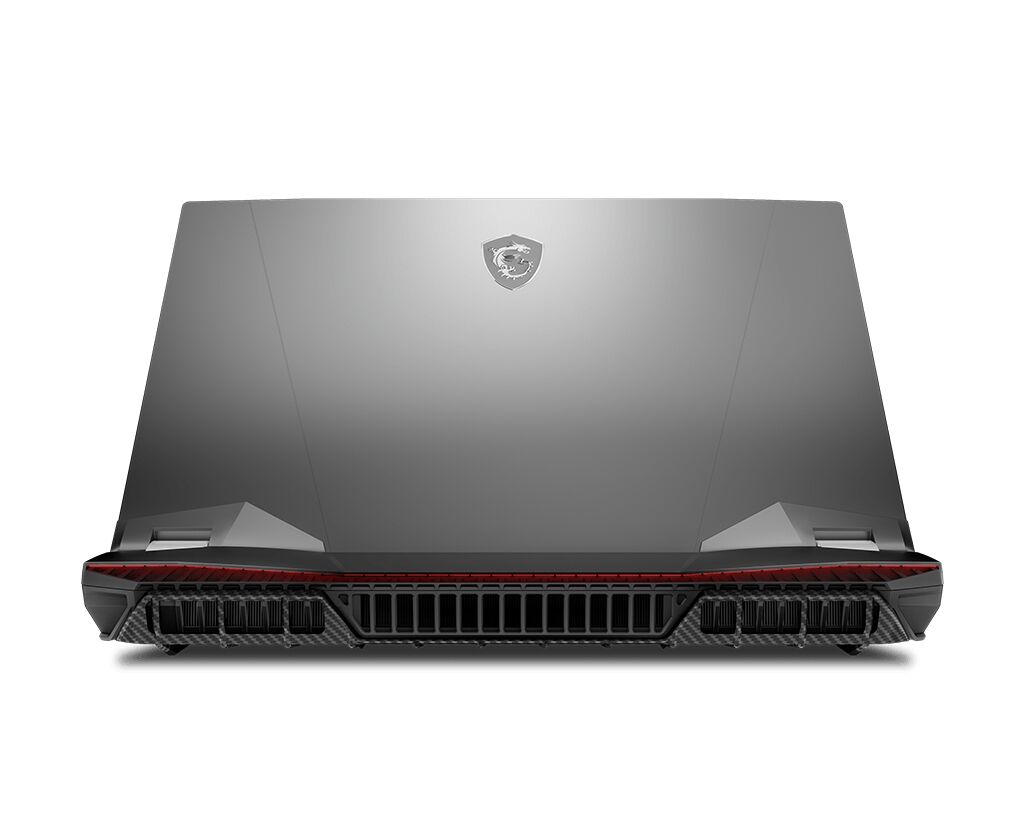
MSI GT76 10SF-034 Titan gaming laptop RAM upgrade specifications. The device features 4 SO-DIMM slots supporting DDR4-SDRAM memory at 2666 MHz frequency. Maximum compatible RAM capacity reaches 128 GB total. This configuration allows memory upgrade options through individual SO-DIMM modules. Compatible memory must meet DDR4 specifications and frequency requirements for optimal performance. Upgrade slots accommodate standard laptop memory form factor components. The GT76 Titan series supports substantial memory expansion for enhanced multitasking and application performance.
Memory Upgrade Specifications
| Specification | Value |
|---|---|
| Memory slots | 4x SO-DIMM |
| Form factor | SO-DIMM |
| Memory type | DDR4-SDRAM |
| Frequency | 2666 MHz |
| Maximum RAM | 128 GB |
| Voltage | 1.2V |
| Number of pins | 260-pin |
| Interface | PC4 |
| PC Speed Rating | PC4-2666 (PC4-21328) |
| Bandwidth | 21.3 GB/s |
| Laptop Release date | 21 July 2020 |
Additional Notes
- The MSI GT76 10SF-034 Titan supports 32 GB modules per slot, allowing quad-channel memory configuration when all 4 slots are populated.
- DDR4-2666 represents JEDEC standard speed rather than performance-oriented XMP profiles, indicating baseline compatibility for stable operation.
- Higher frequency modules rated at 3200 MHz or above will downclock to 2666 MHz due to chipset and processor memory controller limitations.
- SO-DIMM form factor restricts heat dissipation compared to desktop DIMM modules, potentially affecting sustained performance under thermal stress.
- Quad-channel architecture provides 85.3 GB/s theoretical bandwidth when fully populated with matched modules at 2666 MHz.
- Mixed capacity configurations across slots will function but may disable quad-channel mode, reverting to dual-channel operation with reduced bandwidth.
- The 128 GB ceiling requires ECC-unbuffered SO-DIMM modules, as registered memory is incompatible with mobile platforms.
- Memory upgrades preserve manufacturer warranty as SO-DIMM modules install through accessible bottom panel without seal breakage.
- Single-rank versus dual-rank module topology affects interleaving efficiency, with dual-rank providing marginal performance gains in memory-intensive workloads.
- Voltage specification locks at 1.2V for DDR4 standards, preventing low-voltage 1.05V or overvolting configurations beyond JEDEC specifications.
- Asymmetric population patterns such as 3 occupied slots will force the controller into flex mode with uneven channel utilization.
- CAS latency differences between installed modules will synchronize to the highest latency value across all populated slots.