MSI Gaming GT76 10SGS-042ES Titan DT RAM upgrade specifications




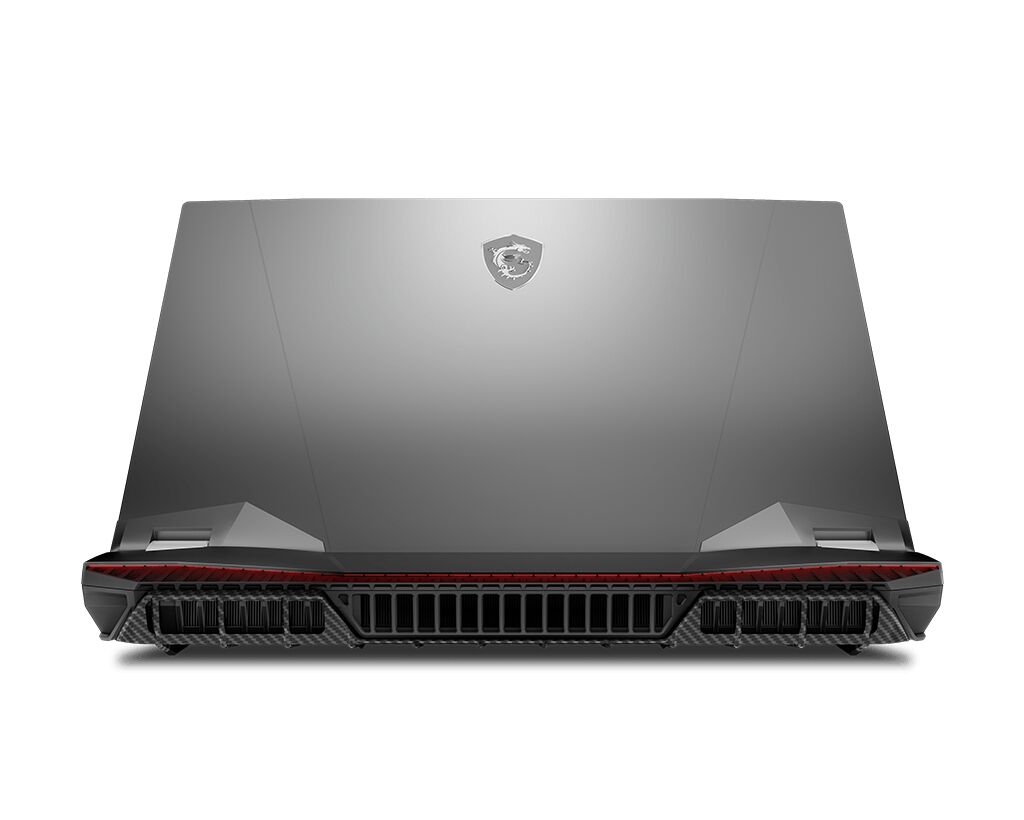
MSI GT76 10SGS-042ES Titan DT gaming laptop features DDR4-SDRAM memory upgrade specifications with four SO-DIMM slots supporting maximum capacity of 128 GB. Memory modules operate at 2666 MHz frequency. Upgrade slots accommodate DDR4 SO-DIMM form factor modules. Compatible memory configurations enable system expansion from factory specifications to maximum supported capacity through standard SO-DIMM memory installation.
Memory Upgrade Specifications
| Specification | Value |
|---|---|
| Memory slots | 4x SO-DIMM |
| Form factor | SO-DIMM |
| Memory type | DDR4-SDRAM |
| Frequency | 2666 MHz |
| Maximum RAM | 128 GB |
| Voltage | 1.2V |
| Number of pins | 260-pin |
| Interface | PC4 |
| PC Speed Rating | PC4-2666 (PC4-21328) |
| Bandwidth | 21.3 GB/s |
| Laptop Release date | 22 June 2020 |
Additional Notes
- The presence of 4 SO-DIMM slots implies a dual-channel architecture where memory modules must be installed in matched pairs to ensure optimal bandwidth across all available channels.
- Achieving the maximum 128 GB capacity requires the use of 32 GB high-density modules in every slot, which may increase thermal output within the memory compartment during sustained workloads.
- The 2666 MHz frequency specification indicates a hardware-level clock speed ceiling that will downclock faster 3200 MHz modules if they are used for upgrades.
- Internal layout constraints on the MSI GT76 10SGS-042ES Titan DT often require the removal of the primary cooling assembly or keyboard to access secondary memory slots located on the opposite side of the motherboard.
- Mixing modules with different latencies or ranks can trigger system instability or force the BIOS to default to the slowest common timing profile across all 4 populated slots.
- Upgrading beyond the factory configuration necessitates the use of non-ECC unbuffered memory as registered server modules are electrically incompatible with this chipset.
- Thermal dissipation for 4 active memory modules relies on passive airflow within the chassis, making high-profile heat spreaders potentially problematic for physical clearance under the bottom panel.