MSI Gaming GT76 10SGS-092FR Titan DT RAM upgrade specifications



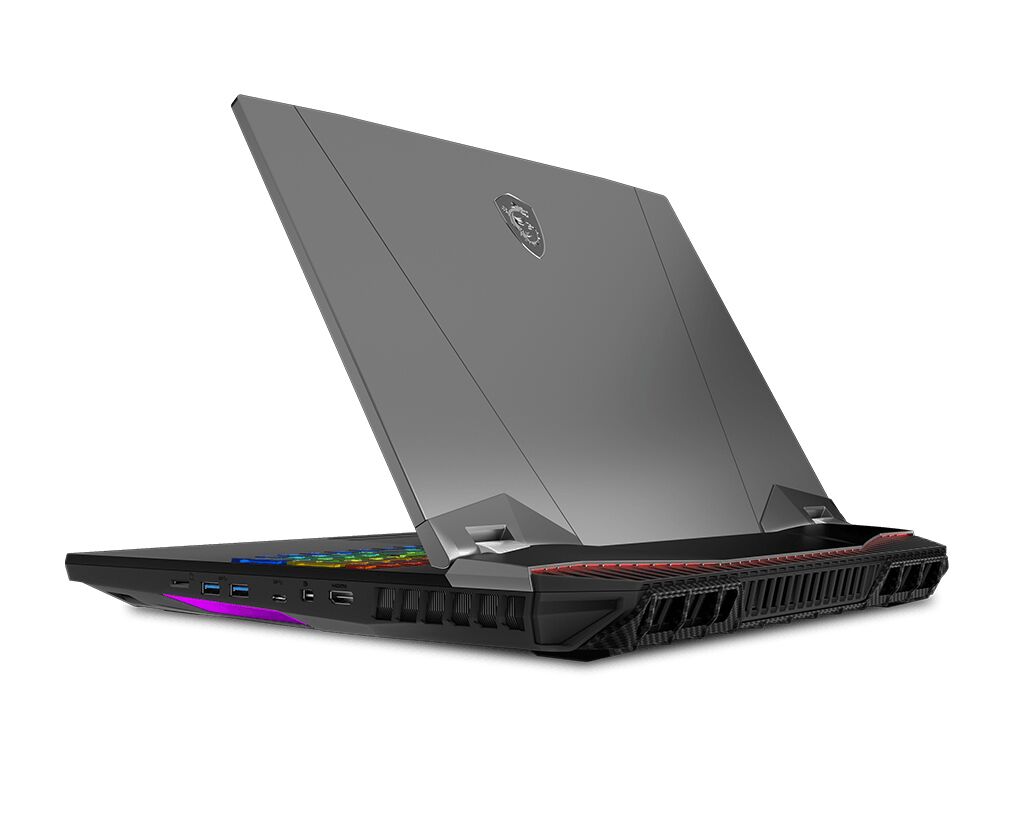
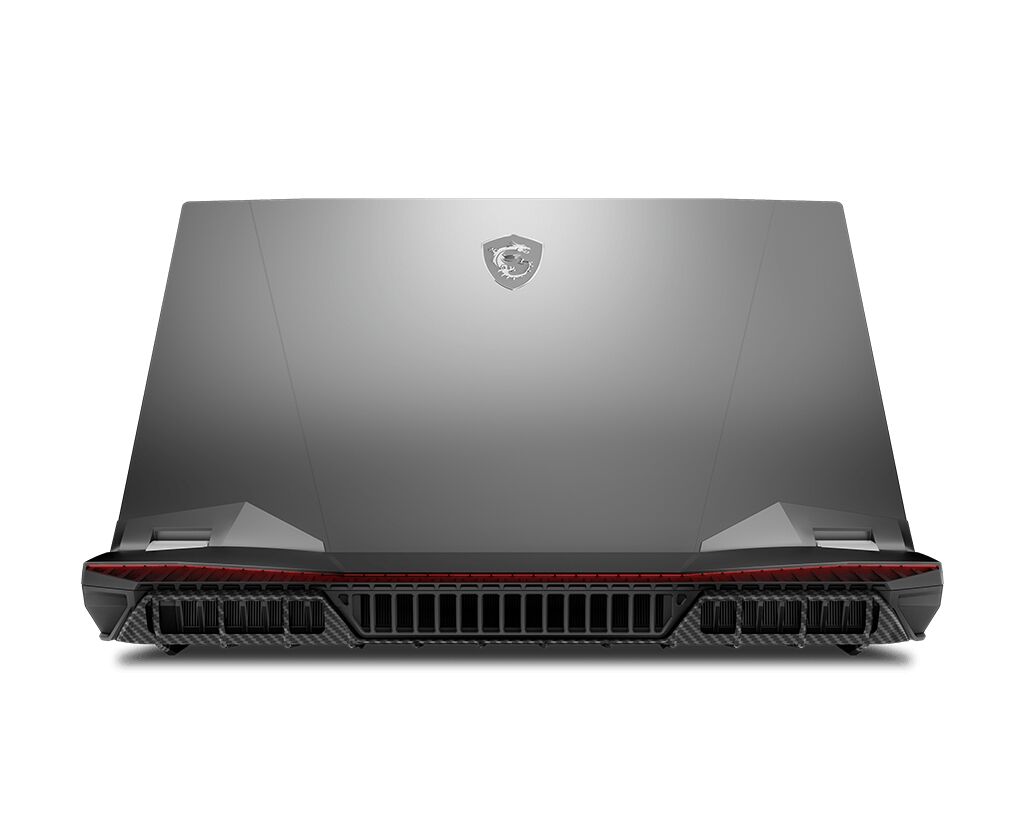
MSI GT76 10SGS-092FR Titan DT gaming laptop features DDR4-SDRAM memory upgrades with four SO-DIMM slots supporting maximum capacity of 128 GB. Memory specifications include DDR4-2666 MHz frequency operation. Existing RAM modules can be replaced or additional compatible DDR4 SO-DIMM memory installed in available slots to increase system memory capacity. Upgrades require compatible DDR4-SDRAM modules matching specified frequency and form factor requirements.
Memory Upgrade Specifications
| Specification | Value |
|---|---|
| Memory slots | 4x SO-DIMM |
| Form factor | SO-DIMM |
| Memory type | DDR4-SDRAM |
| Frequency | 2666 MHz |
| Maximum RAM | 128 GB |
| Voltage | 1.2V |
| Number of pins | 260-pin |
| Interface | PC4 |
| PC Speed Rating | PC4-2666 (PC4-21328) |
| Bandwidth | 21.3 GB/s |
| Laptop Release date | 18 February 2021 |
Additional Notes
- The 4 available slots enable quad-channel memory architecture when populated with matched modules, providing up to 4 times the theoretical bandwidth compared to single-channel configurations.
- The SO-DIMM form factor indicates notebook-class components despite the desktop-replacement positioning of this MSI GT76 10SGS-092FR Titan DT system.
- Maximum capacity of 128 GB requires 4 modules of 32 GB each, which limits configuration flexibility compared to systems supporting higher-density modules.
- The 2666 MHz frequency represents JEDEC standard DDR4 speed rather than higher-performance XMP profiles, prioritizing stability over aggressive timing configurations.
- Mixing modules with different speeds will force all memory to operate at the lowest common frequency, potentially underutilizing faster components.
- Memory bandwidth scales linearly with populated slots in quad-channel mode, meaning 2 modules will deliver half the potential throughput compared to 4 modules.
- SO-DIMM installation requires verifying module height clearance, as some high-profile heat spreaders may interfere with chassis components or thermal solutions.
- DDR4-SDRAM operates at 1.2 volts standard, and using modules rated for higher voltages may require BIOS adjustments or risk system instability.
- Asymmetric population patterns (such as 3 modules) will disable quad-channel mode and revert to dual-channel operation, reducing memory subsystem efficiency.
- The memory controller's maximum supported frequency may exceed 2666 MHz depending on processor specification, allowing higher-speed modules if supported by the chipset.
- Non-ECC unbuffered modules are standard for this configuration, as registered or error-correcting memory typically requires server-class platforms.
- Warranty considerations typically allow user-accessible memory upgrades without seal breakage, unlike soldered components common in thinner laptop designs.