MSI Gaming GT76 10SGS-055 Titan DT RAM upgrade specifications
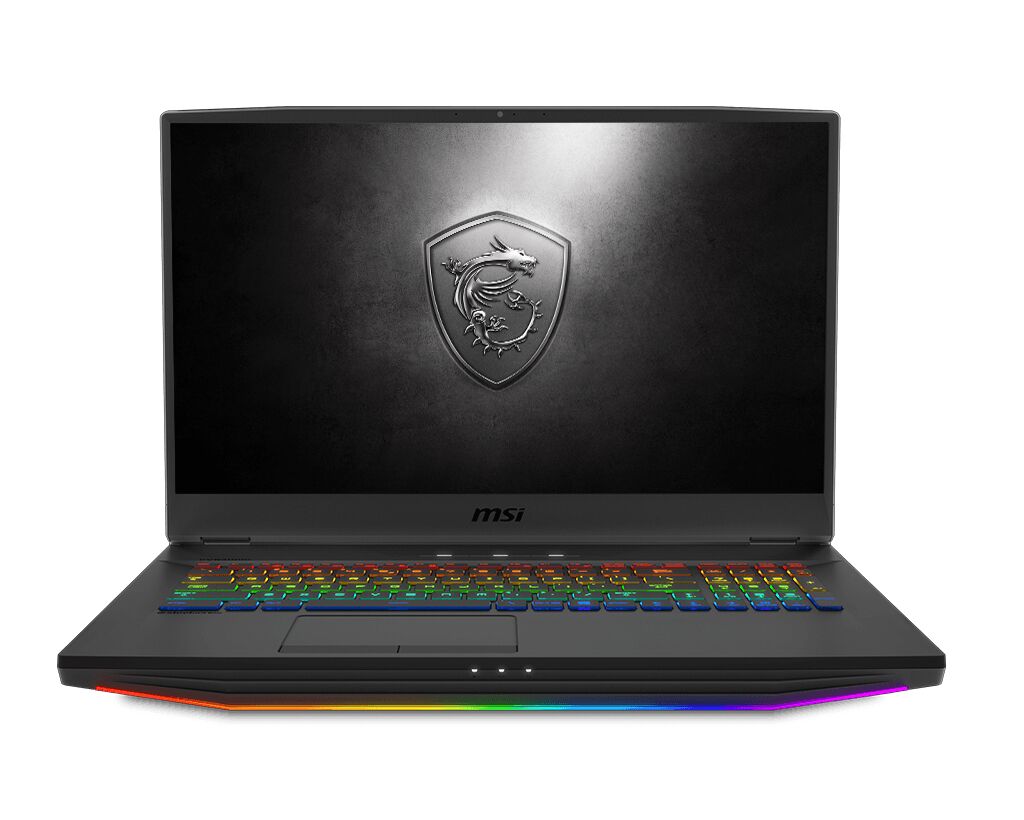
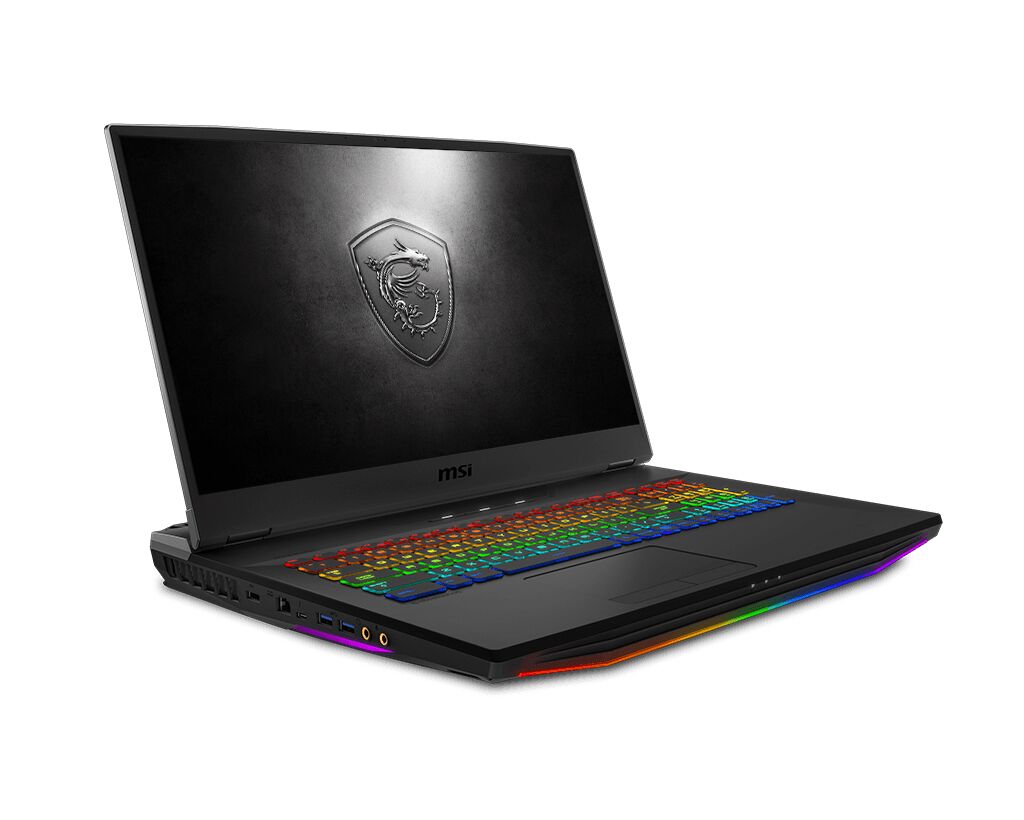
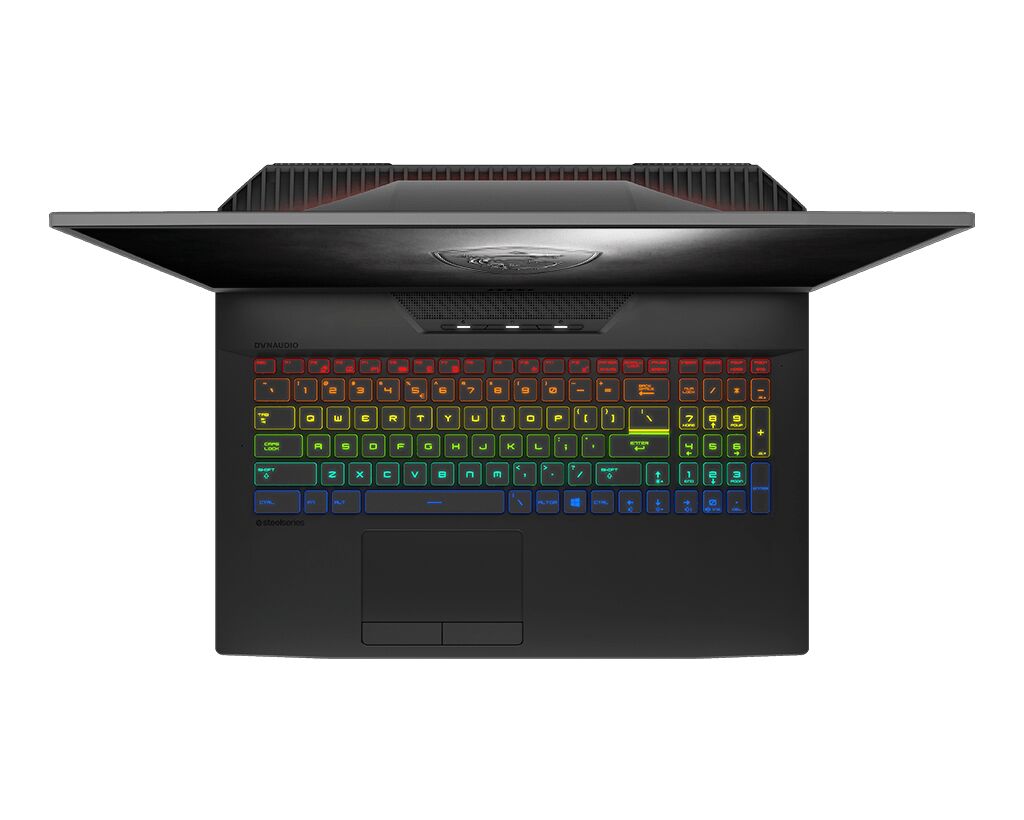
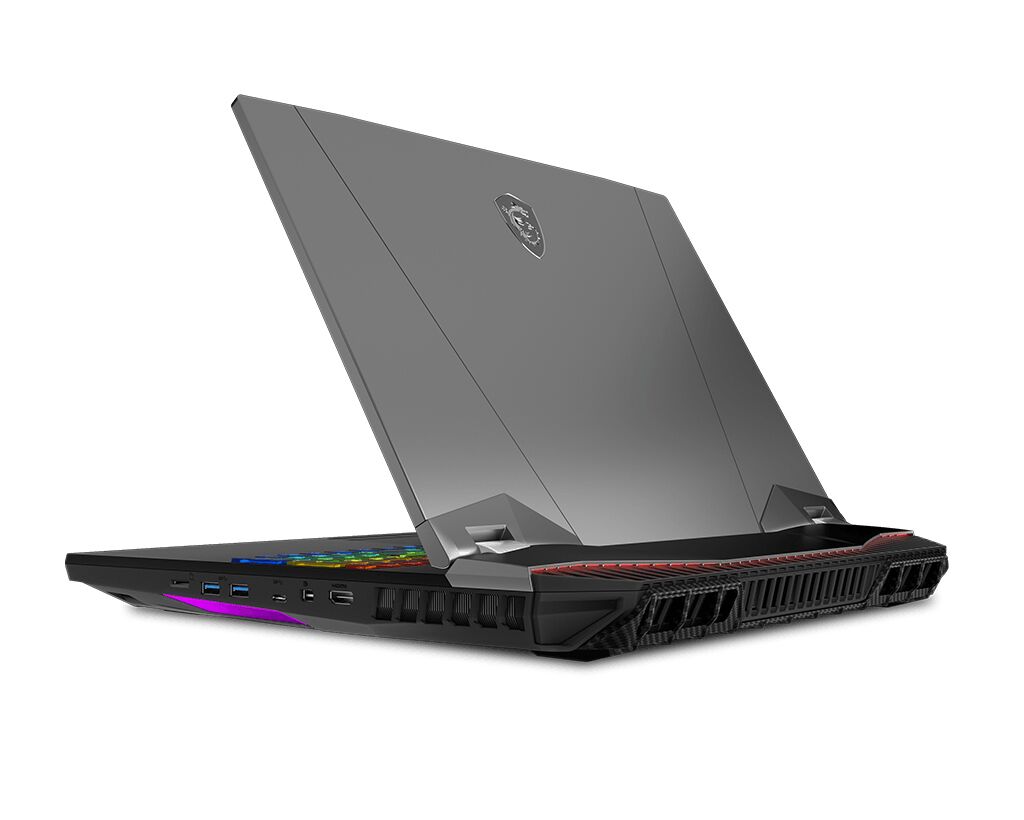
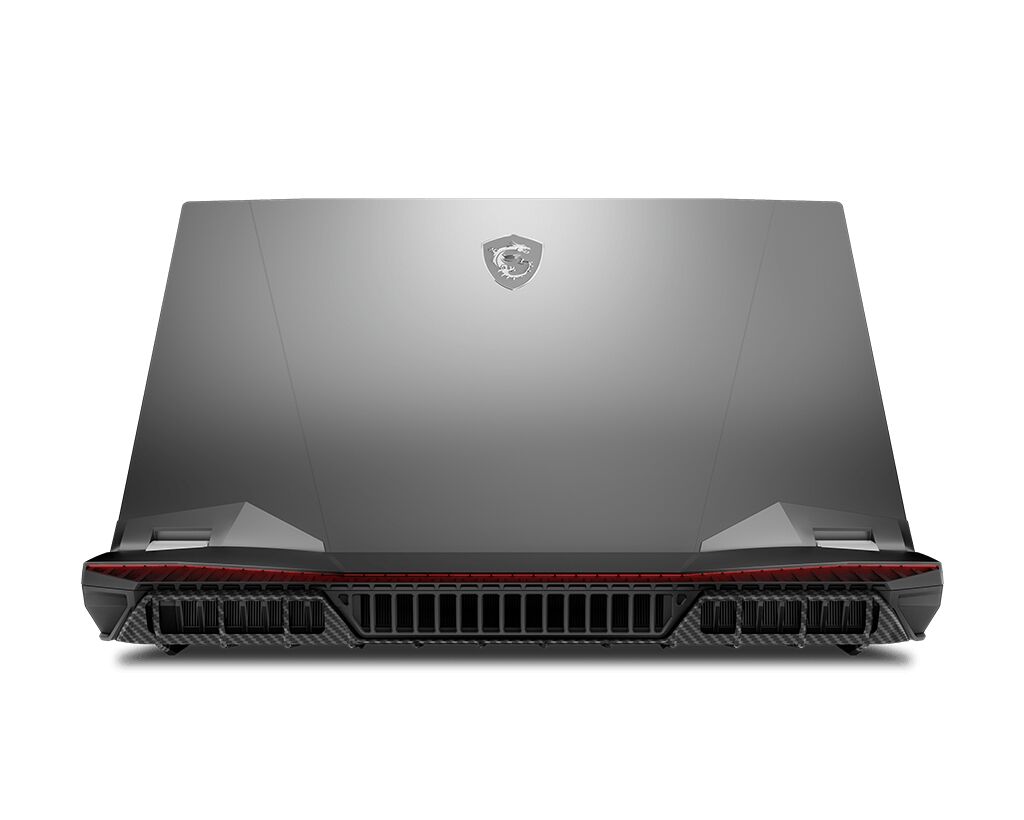
MSI GT76 10SGS-055 Titan DT gaming laptop features four SO-DIMM slots for DDR4-SDRAM memory upgrade compatibility. The system supports maximum RAM capacity of 128 GB total memory. Memory specifications indicate DDR4 modules operating at 2666 MHz frequency. The GT series Titan DT model accommodates SO-DIMM form factor modules for RAM expansion. Upgrade capacity enables significant memory scaling for enhanced multitasking and performance applications. Compatible memory modules must match DDR4-SDRAM specifications and SO-DIMM format requirements for proper installation in available slots.
Memory Upgrade Specifications
| Specification | Value |
|---|---|
| Memory slots | 4x SO-DIMM |
| Form factor | SO-DIMM |
| Memory type | DDR4-SDRAM |
| Frequency | 2666 MHz |
| Maximum RAM | 128 GB |
| Voltage | 1.2V |
| Number of pins | 260-pin |
| Interface | PC4 |
| PC Speed Rating | PC4-2666 (PC4-21328) |
| Bandwidth | 21.3 GB/s |
| Laptop Release date | 05 March 2021 |
Additional Notes
- The 4 SO-DIMM configuration requires matching memory across all populated slots to maintain stable dual-channel or quad-channel operation, preventing potential POST failures or automatic downclocking to JEDEC fallback speeds.
- The 2666 MHz frequency operates below DDR4's higher-end capabilities, meaning modules rated for 3200 MHz or faster will downclock automatically to match the system's supported speed, eliminating any performance benefit from premium kits.
- The MSI GT76 10SGS-055 Titan DT accommodates 32 GB modules per slot to reach the 128 GB ceiling, which narrows the compatibility window to higher-density chips that may carry voltage or thermal characteristics requiring validation against the motherboard's power delivery specifications.
- SO-DIMM physical constraints impose a 67.6 mm length versus desktop UDIMM's 133.35 mm, making standard desktop memory mechanically incompatible regardless of electrical specifications.
- Mixing module capacities across the 4 slots typically forces the memory controller into asymmetric mode or flex mode, potentially reducing bandwidth efficiency compared to matched-capacity configurations.
- The 128 GB maximum suggests chipset-level memory mapping limits tied to Intel's 10th-generation mobile platform, where exceeding this threshold will result in unrecognized capacity or system instability even if physically installed.
- Non-ECC unbuffered modules remain the only viable option for consumer gaming platforms of this generation, as registered or error-correcting memory triggers incompatibility at the BIOS level.
- Thermal headroom in desktop replacement chassis allows for standard 1.2V DDR4 modules, but lower-voltage 1.35V variants intended for Ultrabooks offer no advantage and may introduce marginal compatibility concerns with certain BIOS revisions.
- Single-rank versus dual-rank module architecture affects memory interleaving efficiency, where 4 dual-rank modules stress the memory controller's electrical load compared to single-rank equivalents at identical total capacity.
- XMP profiles embedded in aftermarket modules require manual BIOS enablement and may not activate automatically, leaving the system defaulted to JEDEC standard timings unless user intervention occurs.
- The absence of soldered memory preserves upgradeability but transfers the burden of module selection entirely to the end user, where incompatible latency timings or SPD programming can trigger training errors during boot.