MSI Gaming GT76 DT 10SGS-061IT Titan RAM upgrade specifications
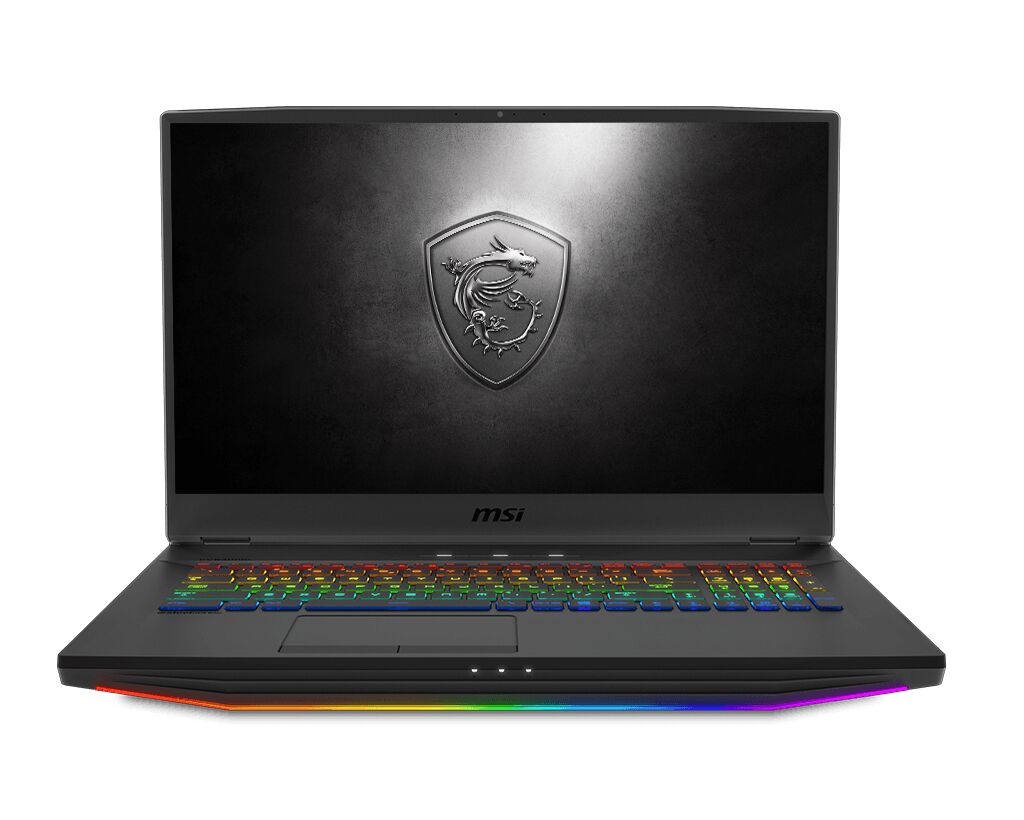
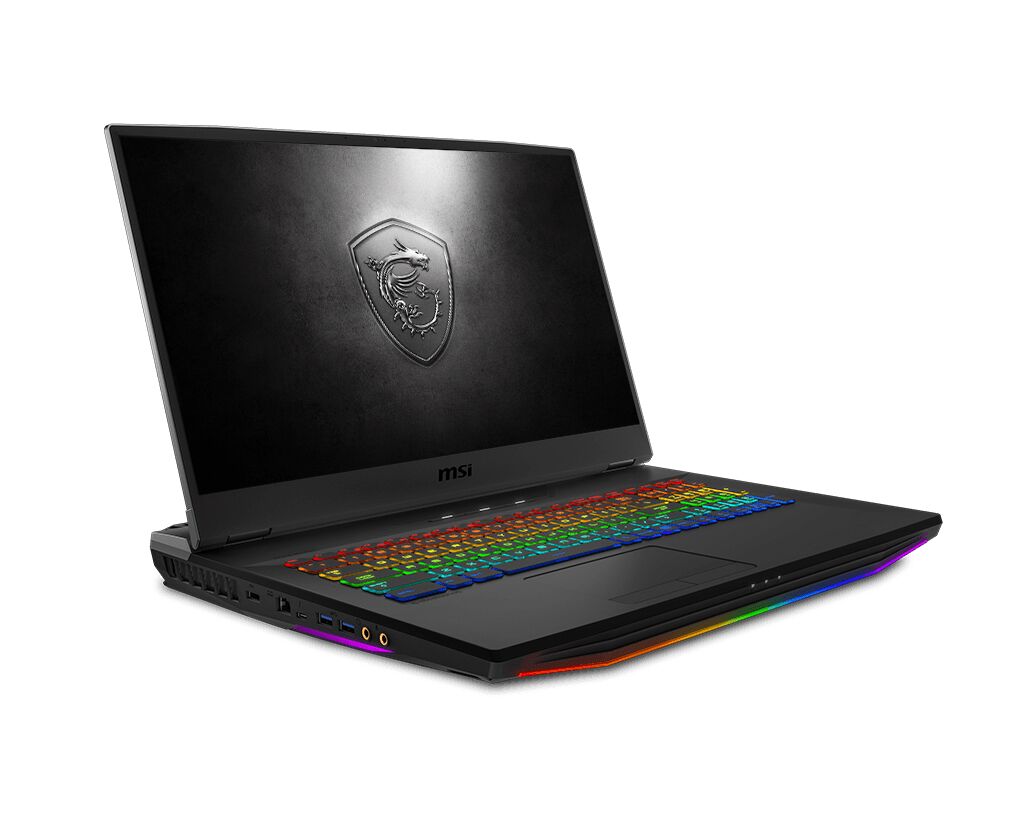
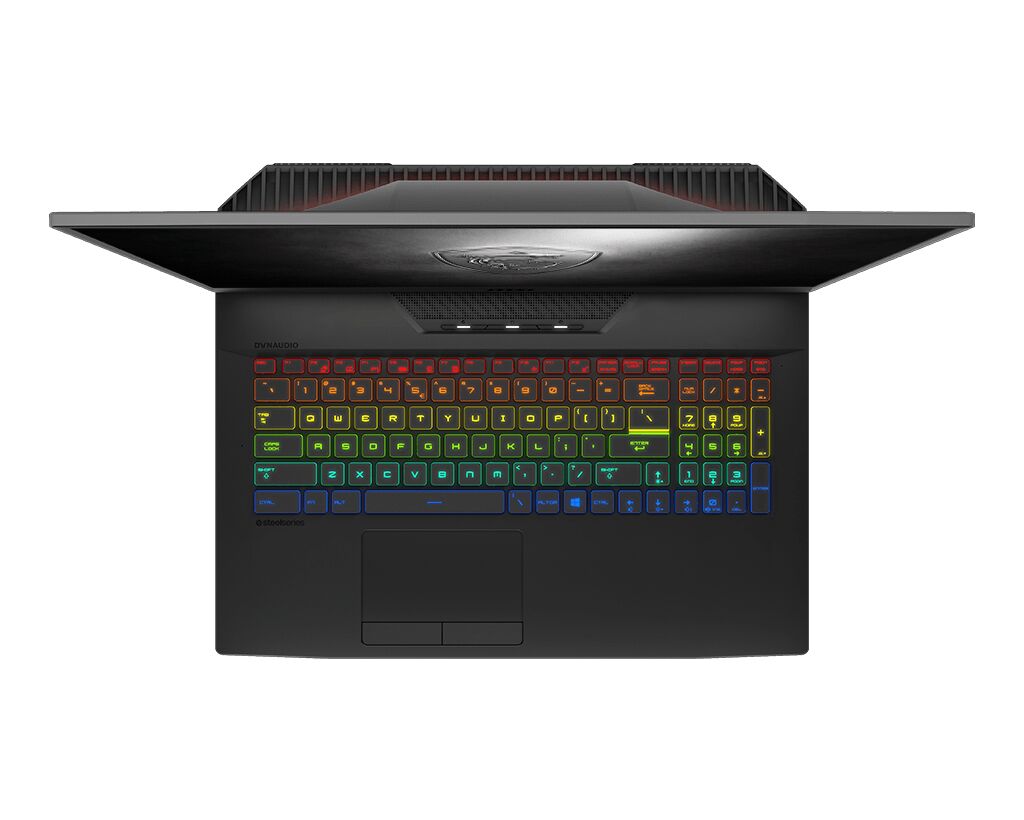
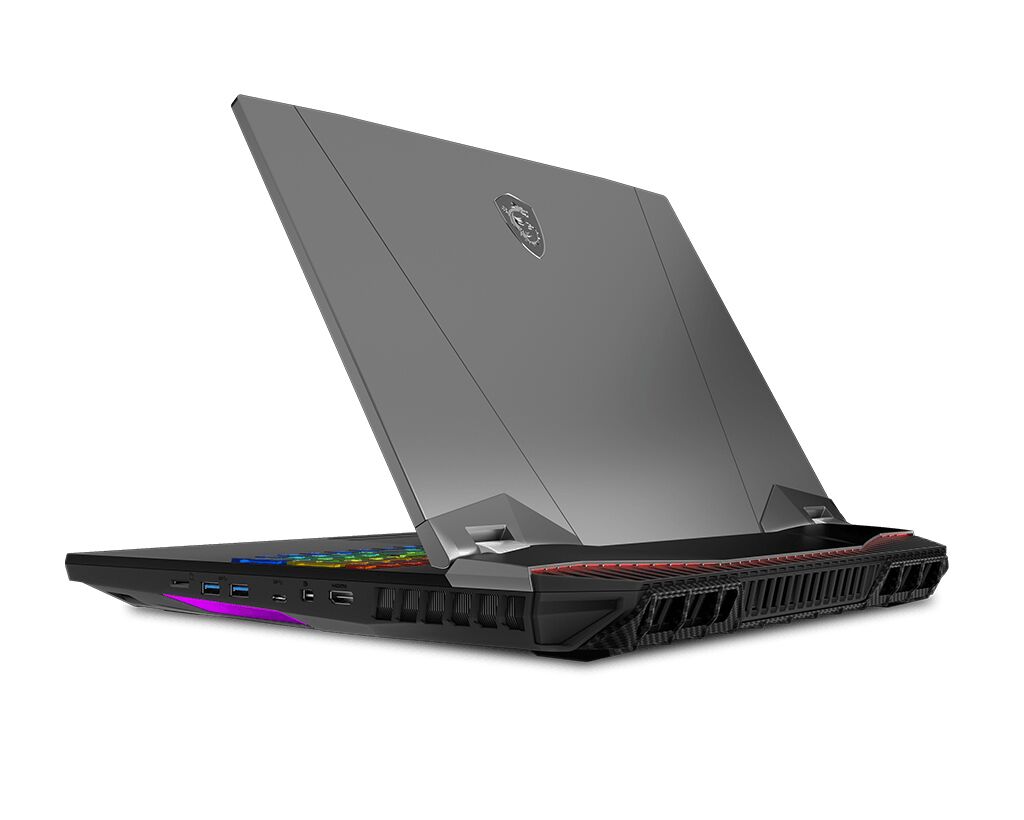
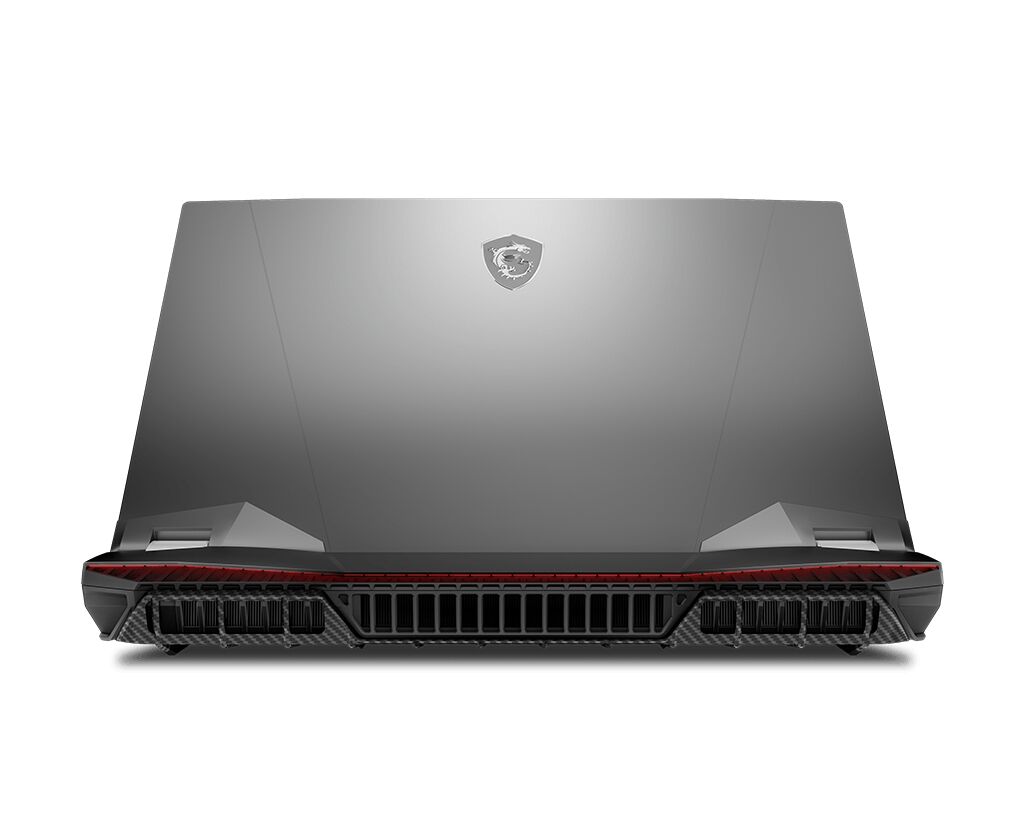
The MSI GT76 DT 10SGS-061IT Titan Gaming series laptop features four SO-DIMM memory slots supporting DDR4-SDRAM upgrade specifications. Compatible RAM modules operate at 2666 MHz frequency with maximum capacity of 128 GB total memory. The Gaming GT series supports SO-DIMM form factor upgrades for expanded RAM capacity and enhanced multitasking performance. Specifications indicate the MSI Titan model accepts DDR4 memory configurations across all four available slots for maximum system memory expansion.
Memory Upgrade Specifications
| Specification | Value |
|---|---|
| Memory slots | 4x SO-DIMM |
| Form factor | SO-DIMM |
| Memory type | DDR4-SDRAM |
| Frequency | 2666 MHz |
| Maximum RAM | 128 GB |
| Voltage | 1.2V |
| Number of pins | 260-pin |
| Interface | PC4 |
| PC Speed Rating | PC4-2666 (PC4-21328) |
| Bandwidth | 21.3 GB/s |
| Laptop Release date | 24 June 2020 |
Additional Notes
- The MSI GT76 DT 10SGS-061IT Titan operates memory at 2666 MHz despite supporting modules rated at higher speeds, as the system controller enforces this frequency ceiling regardless of installed module specifications.
- SO-DIMM modules physically differ from standard DIMM desktop memory through their 260-pin connector versus 288-pin desktop variants, making desktop memory modules incompatible due to connector mismatch and physical dimensions.
- Achieving the 128 GB maximum capacity requires populating all 4 slots with 32 GB modules, leaving no reserve slots for future expansion beyond that threshold.
- DDR4 voltage specifications typically range between 1.2V and 1.35V, with modules exceeding this range potentially causing instability or system rejection during POST.
- Mixing memory modules with different CAS latencies across the 4 slots forces all modules to operate at the slowest timing configuration present in the system.
- Dual-channel architecture activates when populating slots in matched pairs, while single module installation or mismatched capacities may restrict memory bandwidth to single-channel operation.
- ECC registered memory modules remain incompatible with this configuration, as consumer-grade chipsets lack support for error-correcting code functionality.
- Memory modules exceeding 1.35V specification may generate additional heat within the confined laptop chassis, potentially triggering thermal throttling during sustained memory-intensive operations.
- XMP profile-equipped modules revert to JEDEC standard specifications at 2666 MHz unless BIOS provides manual timing adjustment capabilities.
- Installing non-matching capacity modules between channel pairs results in flex mode operation, where only the matched portion operates in dual-channel while remaining capacity runs in single-channel mode.