MSI Gaming GT76 DT 9SF-077IT Titan RAM upgrade specifications

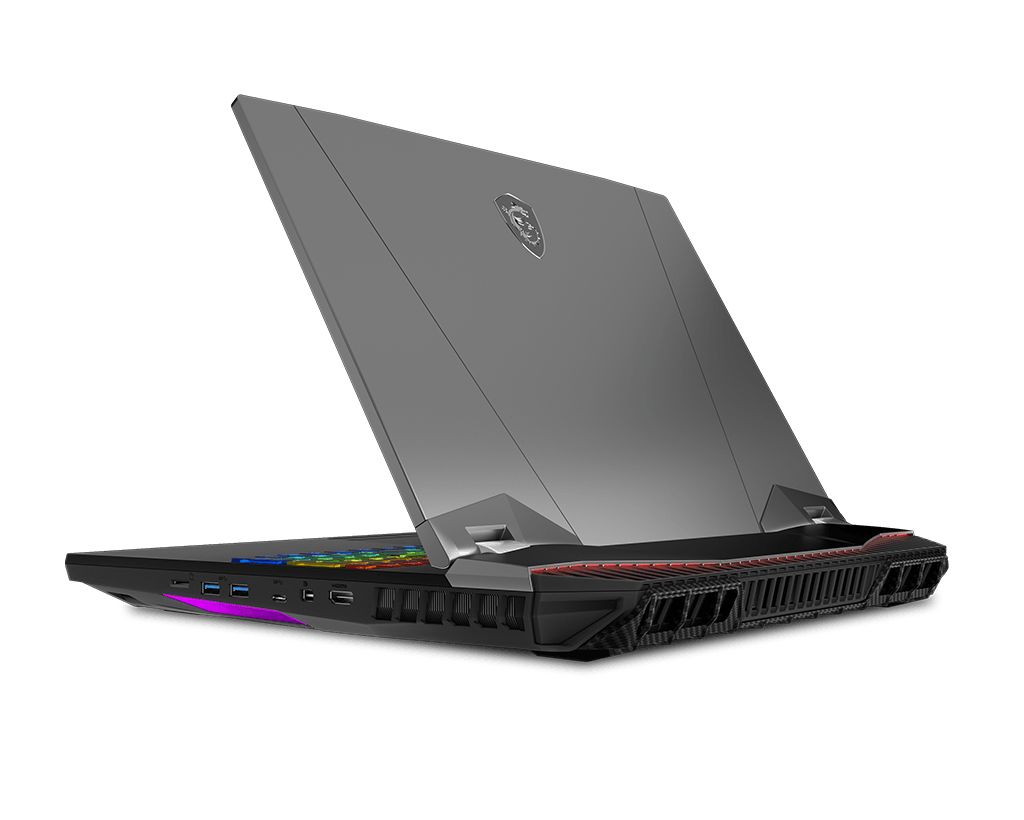

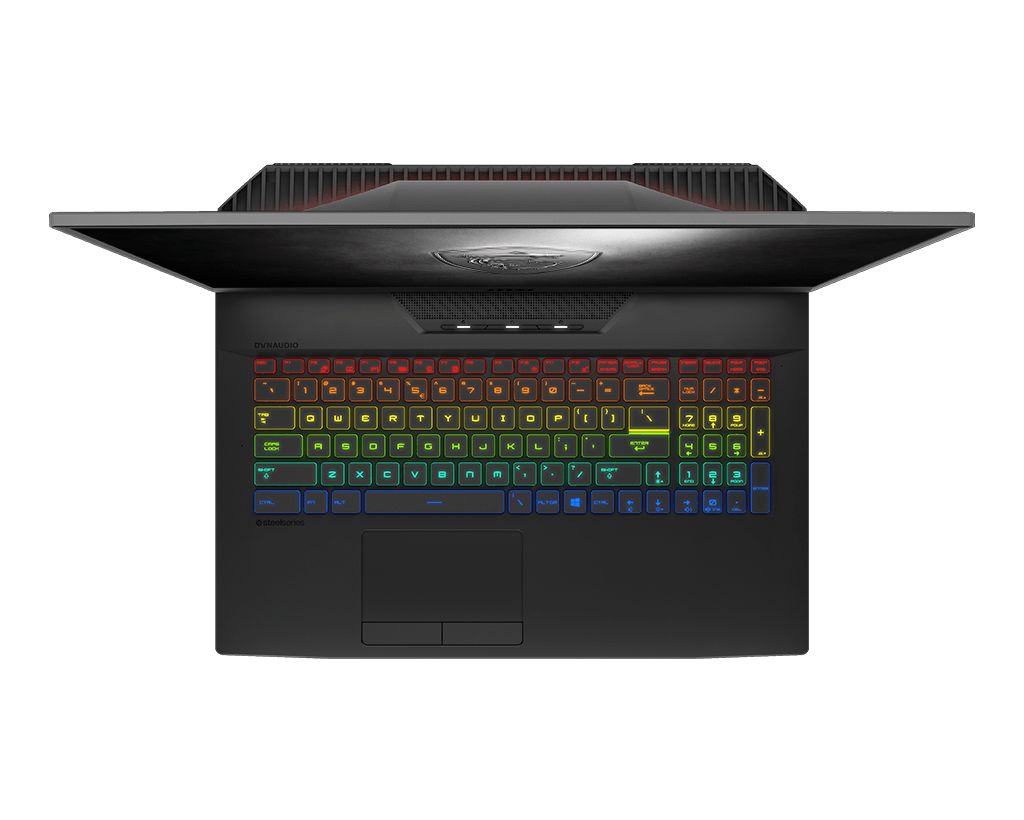
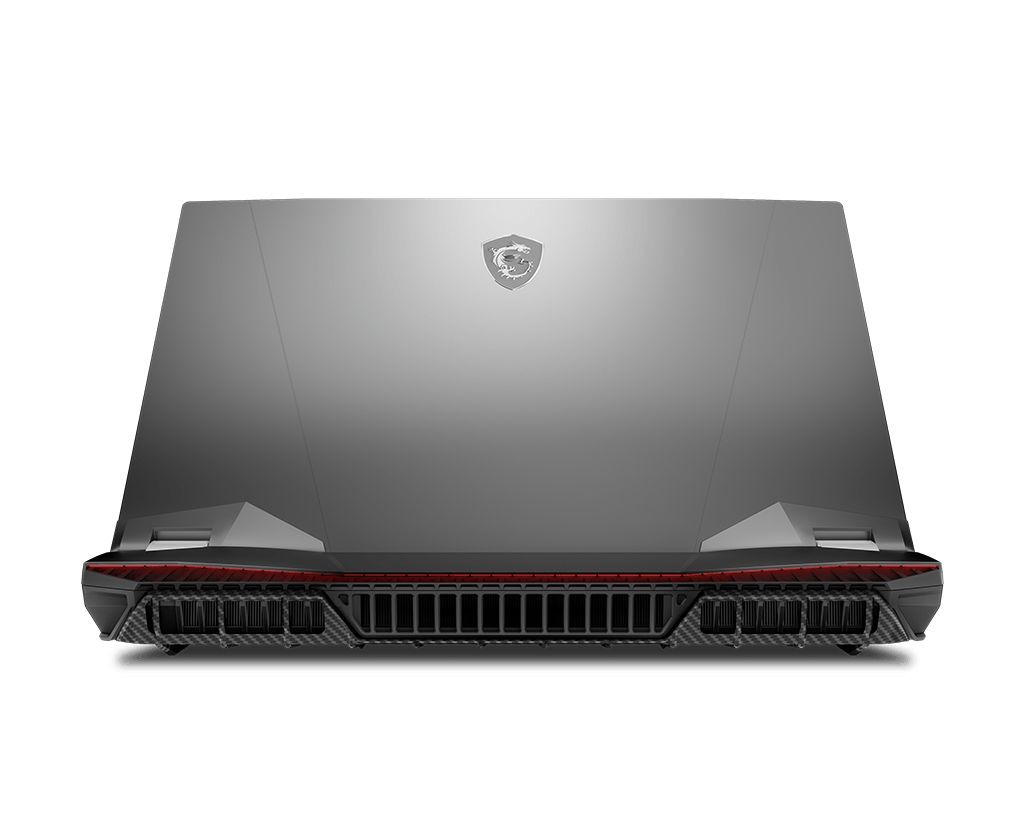
MSI GT76 DT 9SF-077IT Titan gaming laptop supports DDR4-SDRAM memory upgrades across 4x SO-DIMM slots. Maximum compatible RAM capacity reaches 128 GB total. Memory operates at 2666 MHz frequency. SO-DIMM form factor modules are required for upgrade compatibility. Specifications indicate dual-channel memory architecture enabling enhanced system performance. Current and future memory upgrades must adhere to DDR4-SDRAM standards and slot configuration requirements for optimal laptop functionality.
Memory Upgrade Specifications
| Specification | Value |
|---|---|
| Memory slots | 4x SO-DIMM |
| Form factor | SO-DIMM |
| Memory type | DDR4-SDRAM |
| Frequency | 2666 MHz |
| Maximum RAM | 128 GB |
| Voltage | 1.2V |
| Number of pins | 260-pin |
| Interface | PC4 |
| PC Speed Rating | PC4-2666 (PC4-21328) |
| Bandwidth | 21.3 GB/s |
| Laptop Release date | 27 August 2019 |
Additional Notes
- The presence of 4 SO-DIMM slots implies a dual-channel architecture where memory modules must be installed in matched pairs across specific banks to maintain optimal memory bandwidth.
- Upgrading the MSI GT76 DT 9SF-077IT Titan to the maximum 128 GB threshold requires the use of high-density 32 GB modules, which induces higher electrical load on the integrated memory controller compared to lower capacity configurations.
- Internal layout constraints often result in 2 slots being located on the underside of the motherboard, necessitating significant disassembly of the thermal management system for a full 4-stick population.
- Populating all 4 slots with high-capacity modules can lead to increased latency or a forced reduction in clock speeds if the BIOS does not support aggressive XMP profiles for quad-rank configurations.
- Mixing modules with different CAS latencies will force the entire memory subsystem to operate at the timing parameters of the slowest installed stick, potentially bottlenecking CPU-to-RAM communication.
- The hardware architecture limits effective throughput to the 2666 MHz ceiling regardless of whether higher frequency rated modules are installed, as the system will downclock faster RAM to maintain stability.
- Vertical clearance within the SO-DIMM housing restricts the use of modules with integrated heat spreaders, requiring standard height PCB designs to prevent physical interference with the chassis bottom cover.