MSI Gaming GT76 TITAN 9SG-001NE RAM upgrade specifications

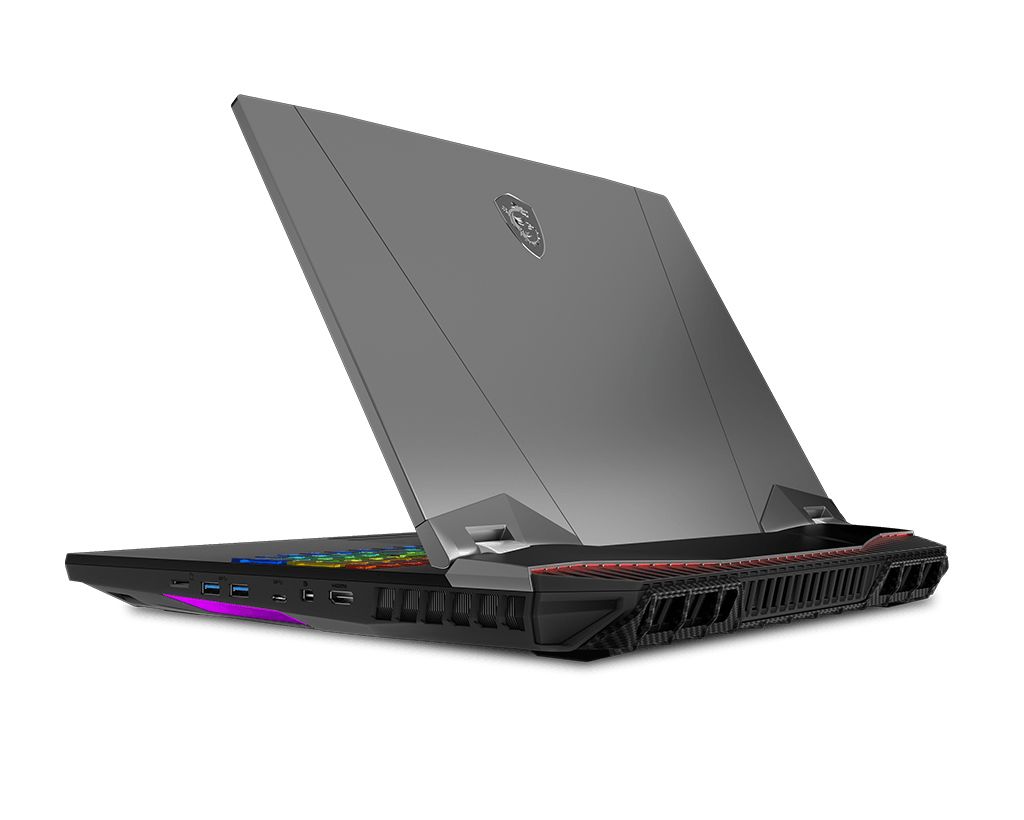

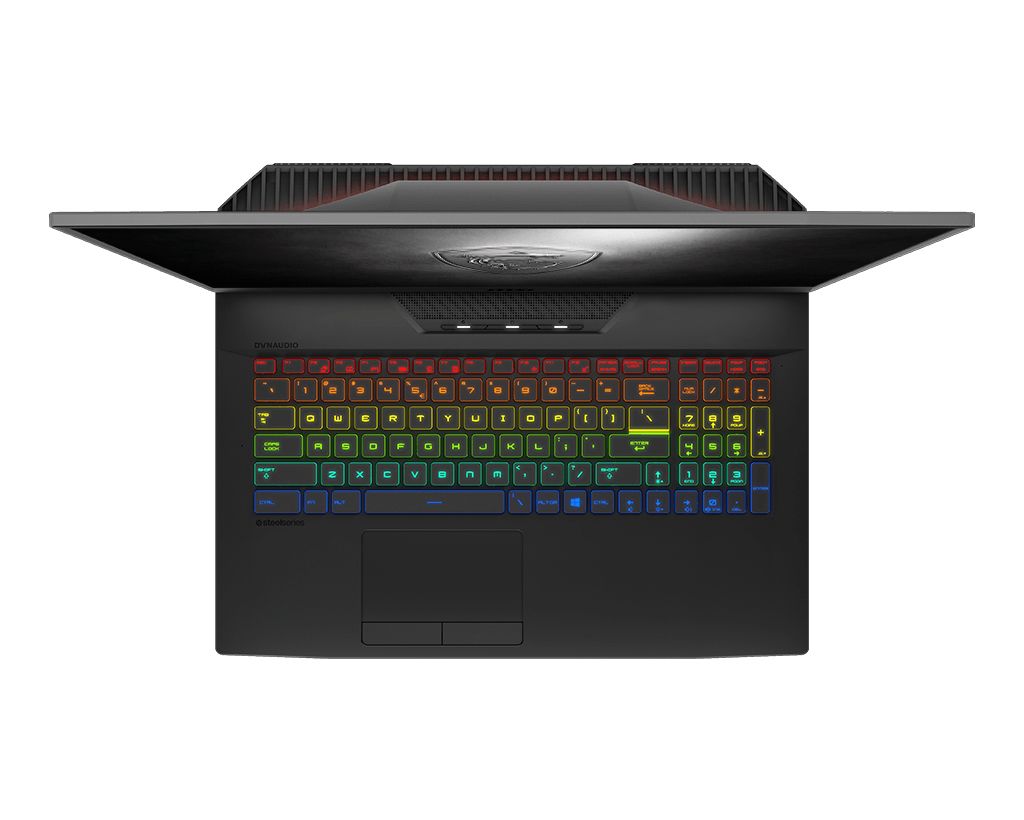
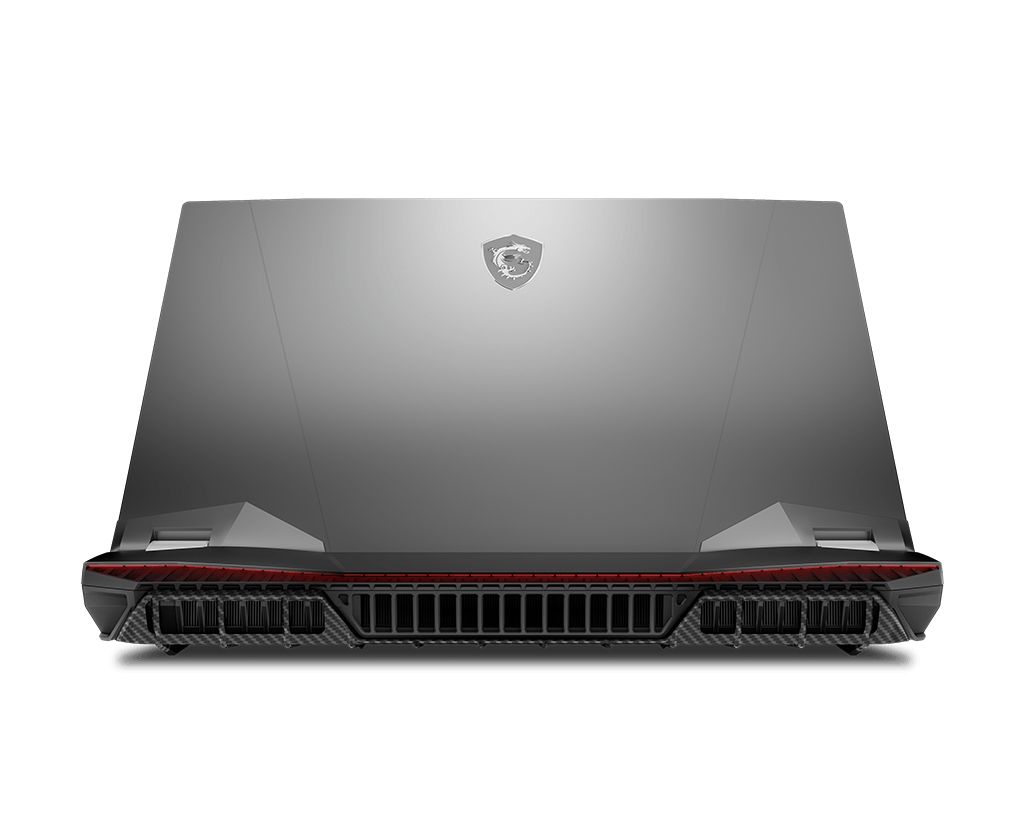
MSI GT76 TITAN 9SG-001NE gaming laptop features four SO-DIMM slots supporting DDR4-SDRAM memory upgrades. Compatible memory modules operate at 2666 MHz frequency. Maximum RAM capacity reaches 128 GB total when all slots are populated. Specifications allow for memory expansion to enhance system performance and multitasking capabilities on the GT series gaming platform.
Memory Upgrade Specifications
| Specification | Value |
|---|---|
| Memory slots | 4x SO-DIMM |
| Form factor | SO-DIMM |
| Memory type | DDR4-SDRAM |
| Frequency | 2666 MHz |
| Maximum RAM | 128 GB |
| Voltage | 1.2V |
| Number of pins | 260-pin |
| Interface | PC4 |
| PC Speed Rating | PC4-2666 (PC4-21328) |
| Bandwidth | 21.3 GB/s |
| Laptop Release date | 06 November 2019 |
Additional Notes
- The 4 SO-DIMM slot configuration in the MSI GT76 TITAN 9SG-001NE permits balanced dual-channel or quad-channel population, with optimal bandwidth requiring matched pairs installed in corresponding channels to avoid asymmetric memory access patterns.
- The 128 GB maximum capacity translates to 32 GB modules as the highest density per slot, meaning incremental upgrades below this ceiling require planning around module pairing rather than simply adding single sticks.
- DDR4-2666 operates at a lower frequency than DDR4-3200 modules commonly available in retail channels, but higher-speed modules will downclock to 2666 MHz when installed, preventing performance gains from premium-speed purchases.
- SO-DIMM form factor limits thermal headroom compared to full-size DIMMs, potentially causing throttling under sustained memory-intensive workloads if modules lack adequate heat spreaders or if internal airflow paths are obstructed.
- Populating all 4 slots with high-density modules can increase electrical load on the memory controller, sometimes requiring voltage adjustments or BIOS updates to maintain stability at rated speeds across fully populated configurations.
- The 2666 MHz specification represents JEDEC standard timing rather than XMP profiles, meaning aftermarket modules advertising higher frequencies through overclocking profiles will function but only at base JEDEC speeds without manual tuning.
- Mixing module capacities across slots remains technically functional but forces the system into flex mode operation, where only the overlapping capacity runs in dual-channel while excess capacity on larger modules operates in slower single-channel mode.
- Warranty preservation requires non-destructive access to the memory compartment, typically through a dedicated bottom panel rather than full disassembly, though verifying the specific access method prevents accidental seal breakage on warranty-protected areas.
- Latency ratings beyond CAS 19 provide diminishing returns at 2666 MHz, as the bandwidth ceiling imposed by the frequency cap creates performance bottlenecks before tighter timings yield measurable application-level improvements.
- ECC SO-DIMM modules physically fit the slots but lack chipset-level support in gaming-focused platforms, rendering error correction features inactive and offering no advantage over standard unbuffered modules at equivalent cost.