MSI Gaming GT76 DT 9SG-061IT Titan RAM upgrade specifications
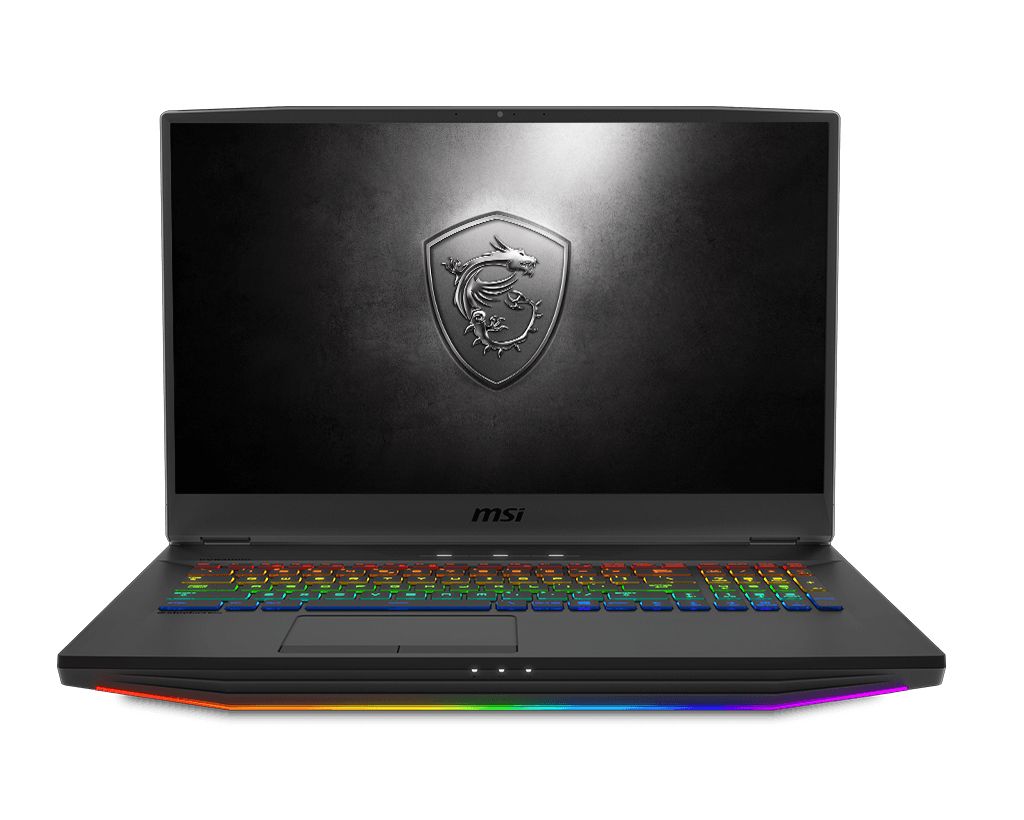
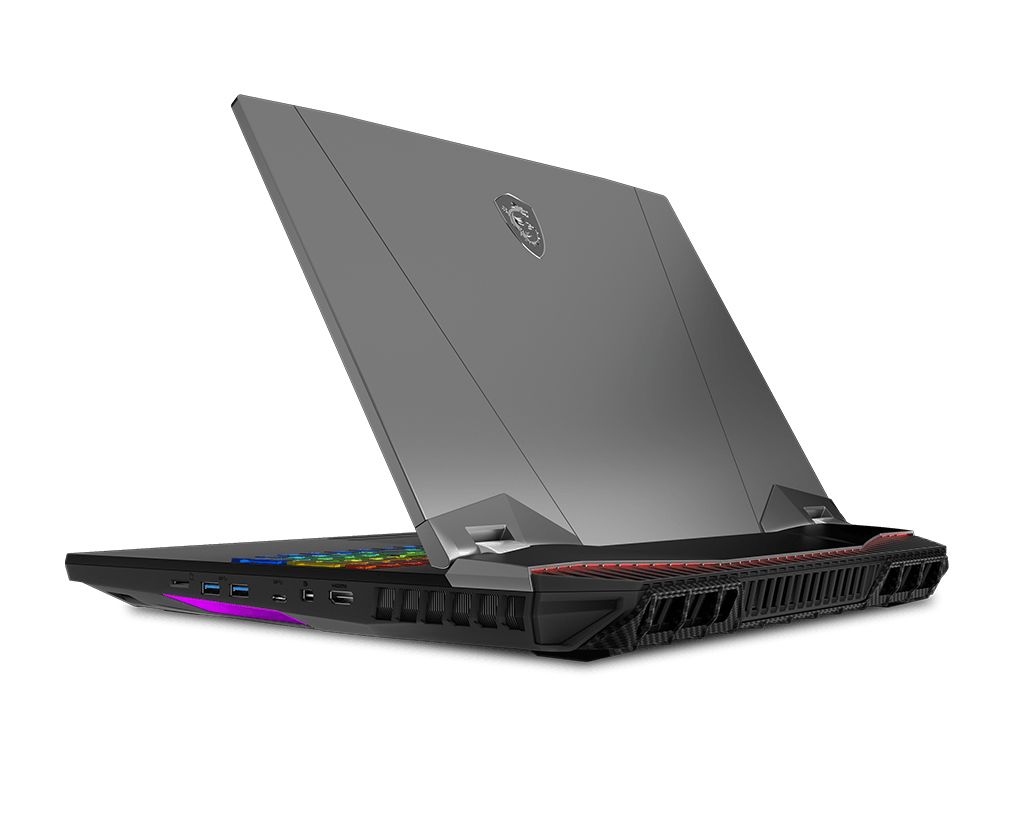
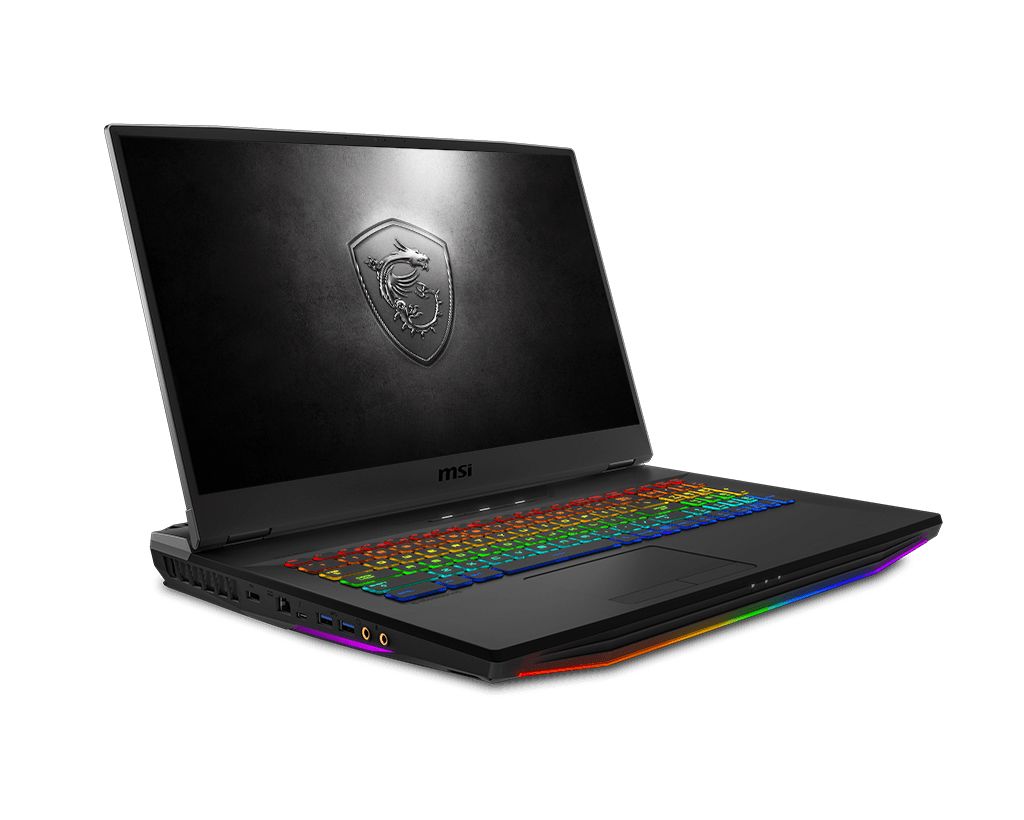
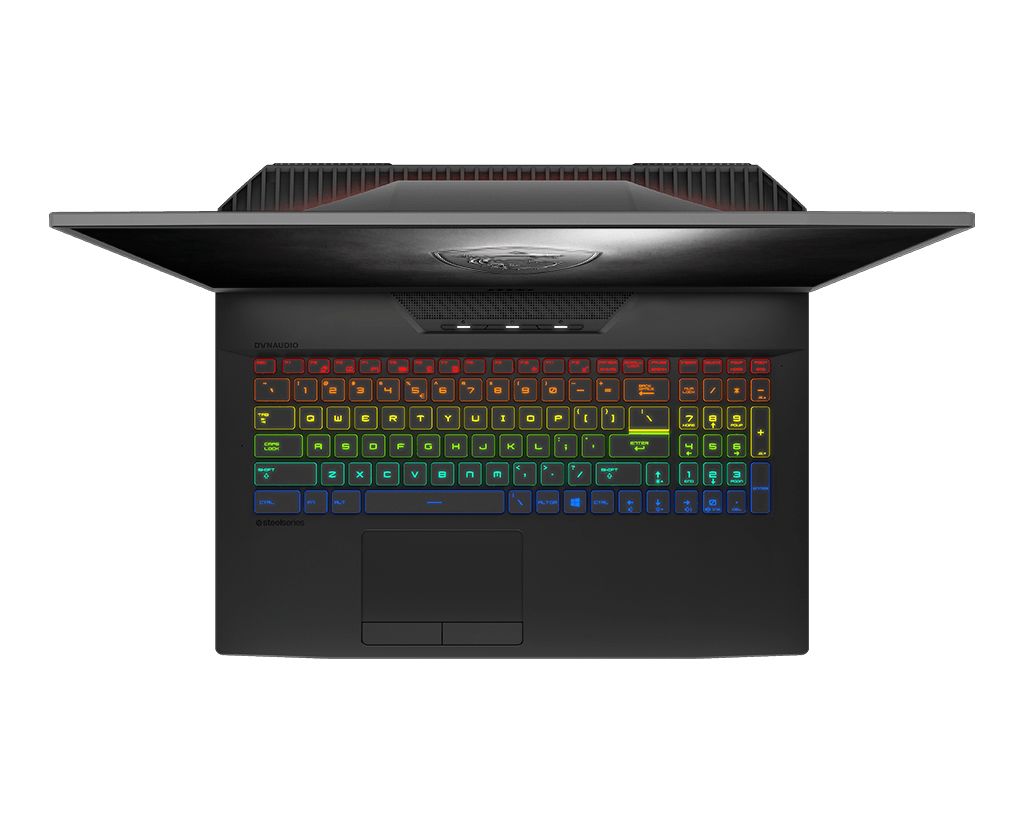
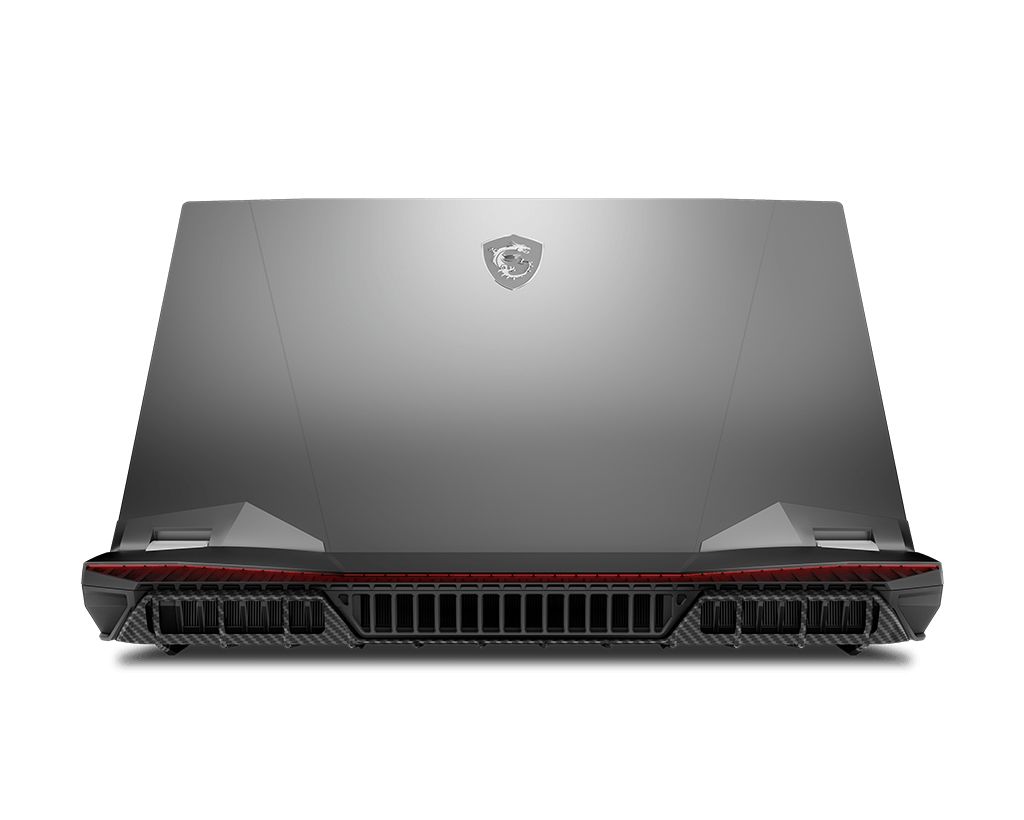
MSI GT76 DT 9SG-061IT Titan gaming laptop supports DDR4-SDRAM memory upgrades across four SO-DIMM slots. Maximum RAM capacity reaches 128 GB with compatible DDR4-2666 MHz modules. Specifications indicate memory upgrade compatibility with standard SO-DIMM form factor components. Current configuration details and upgrade slots available for this GT series Titan model support high-capacity memory expansion for enhanced system performance.
Memory Upgrade Specifications
| Specification | Value |
|---|---|
| Memory slots | 4x SO-DIMM |
| Form factor | SO-DIMM |
| Memory type | DDR4-SDRAM |
| Frequency | 2666 MHz |
| Maximum RAM | 128 GB |
| Voltage | 1.2V |
| Number of pins | 260-pin |
| Interface | PC4 |
| PC Speed Rating | PC4-2666 (PC4-21328) |
| Bandwidth | 21.3 GB/s |
| Laptop Release date | 27 August 2019 |
Additional Notes
- The MSI GT76 DT 9SG-061IT Titan accepts desktop-class memory capacities despite using laptop-sized SO-DIMM modules, enabling workstation-grade memory configurations typically reserved for larger systems.
- Native 2666 MHz operation ensures JEDEC compliance without requiring XMP profiles, eliminating potential stability issues associated with overclocked memory configurations.
- Quad-channel memory architecture requires matched module pairs installed symmetrically across all 4 slots to achieve optimal bandwidth utilization and prevent single or dual-channel fallback.
- The 32 GB per-slot ceiling indicates compatibility with double-density chips, restricting users to specific high-capacity module architectures rather than standard 8 GB or 16 GB consumer variants.
- SO-DIMM form factor physical constraints necessitate low-profile heat spreader designs, limiting aftermarket cooling solutions compared to standard DIMM equivalents.
- Memory controller voltage tolerance at 1.2V standard means compatibility issues may arise with older DDR4 modules designed for 1.35V operation or newer low-voltage variants.
- Thermal throttling risk increases when all 4 slots operate at maximum capacity due to concentrated heat generation within the confined laptop chassis geometry.
- Warranty preservation requires non-invasive installation through accessible bottom panel openings rather than full motherboard disassembly procedures.
- Mixing memory ranks across different slots can trigger frequency downclocking to the lowest common specification, undermining theoretical maximum performance.
- The platform's 128 GB ceiling reflects chipset addressing limitations rather than physical slot restrictions, preventing future expansion beyond current maximum specifications.