MSI Gaming GT76 TITAN DT 9SG-044NE RAM upgrade specifications
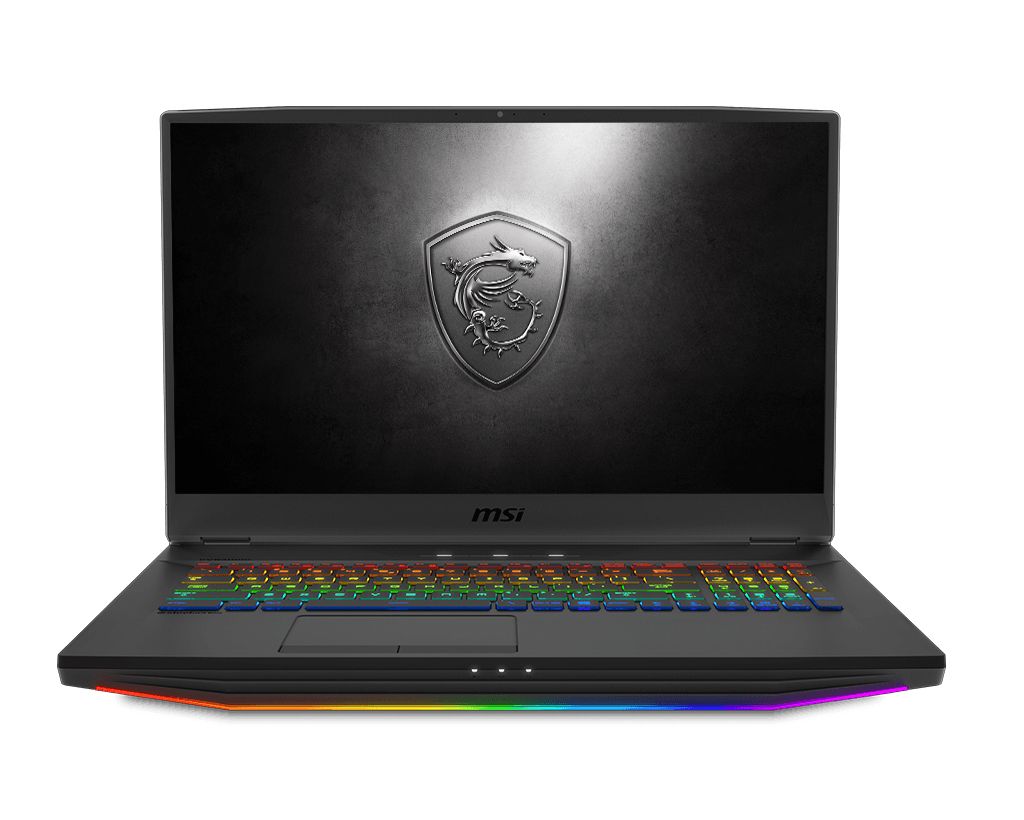
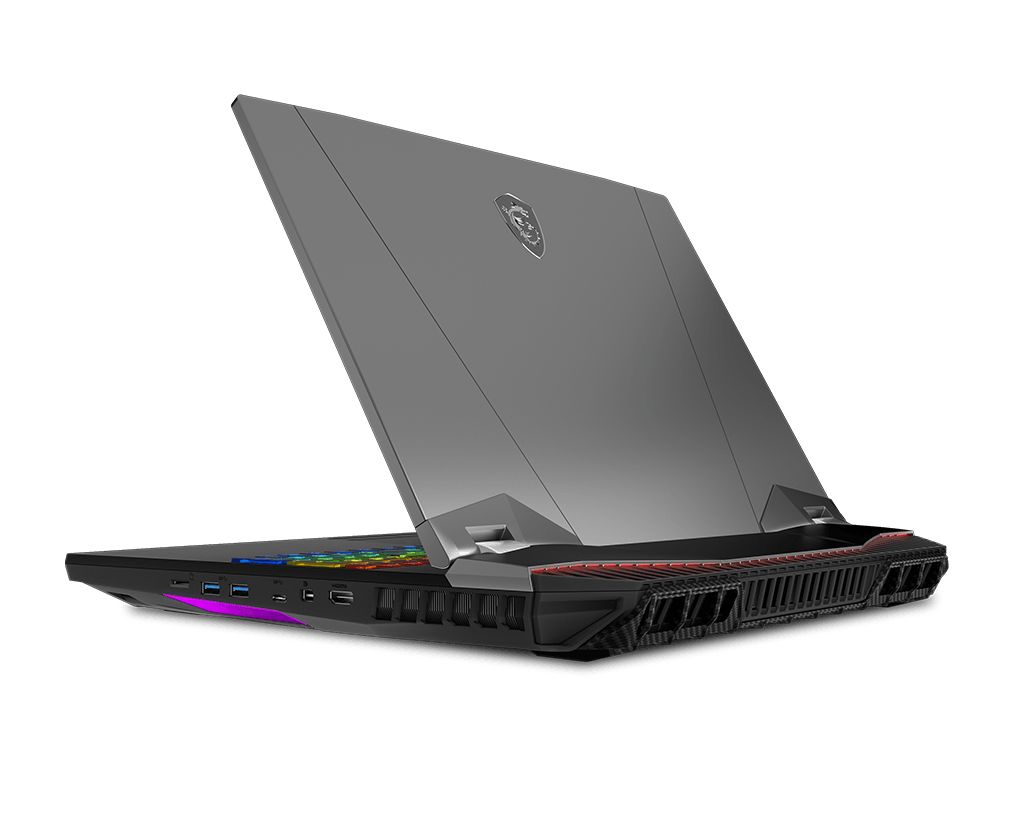
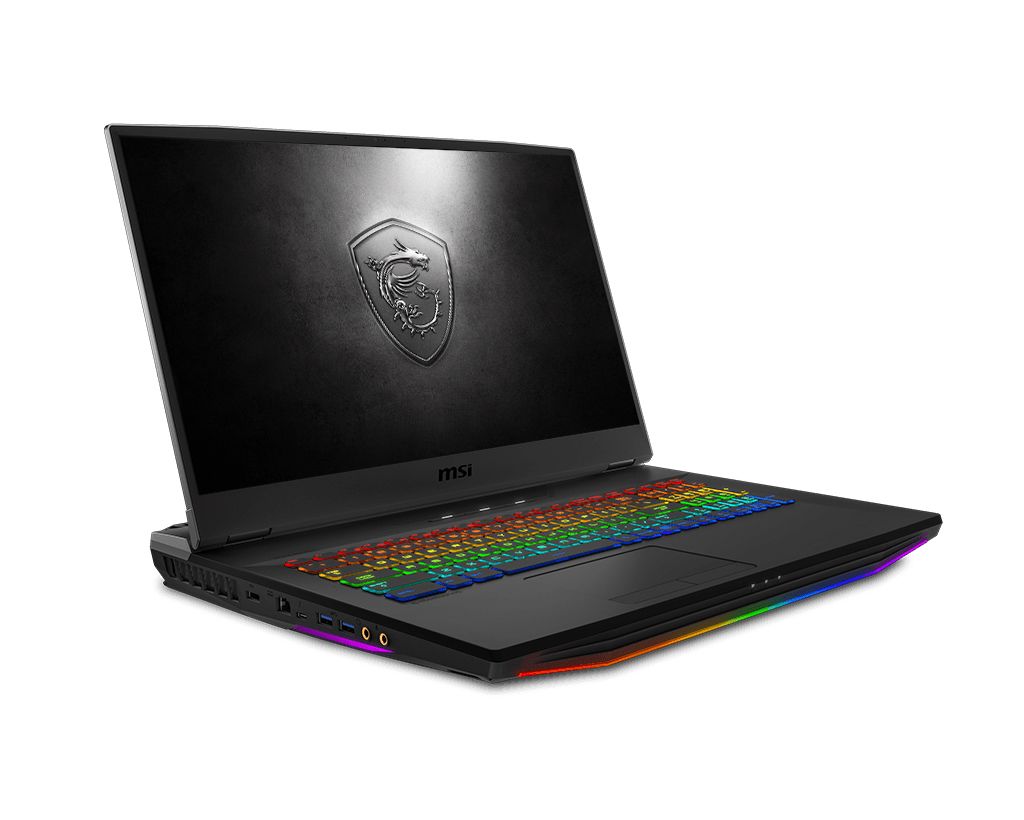
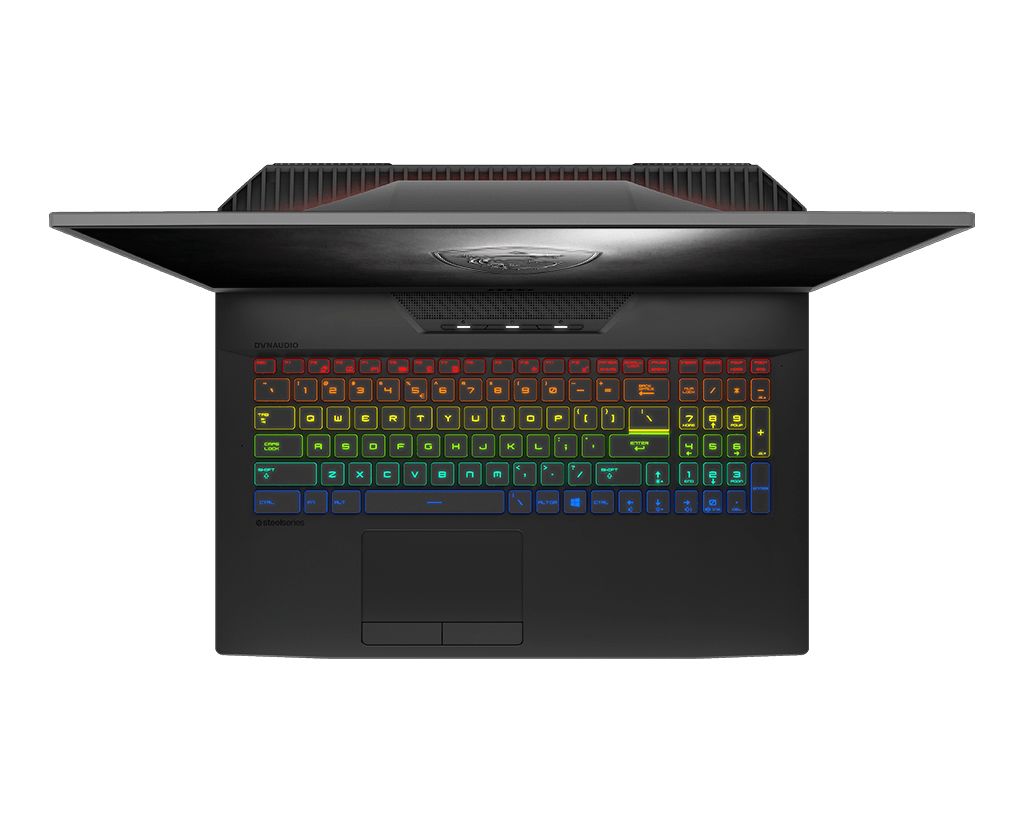
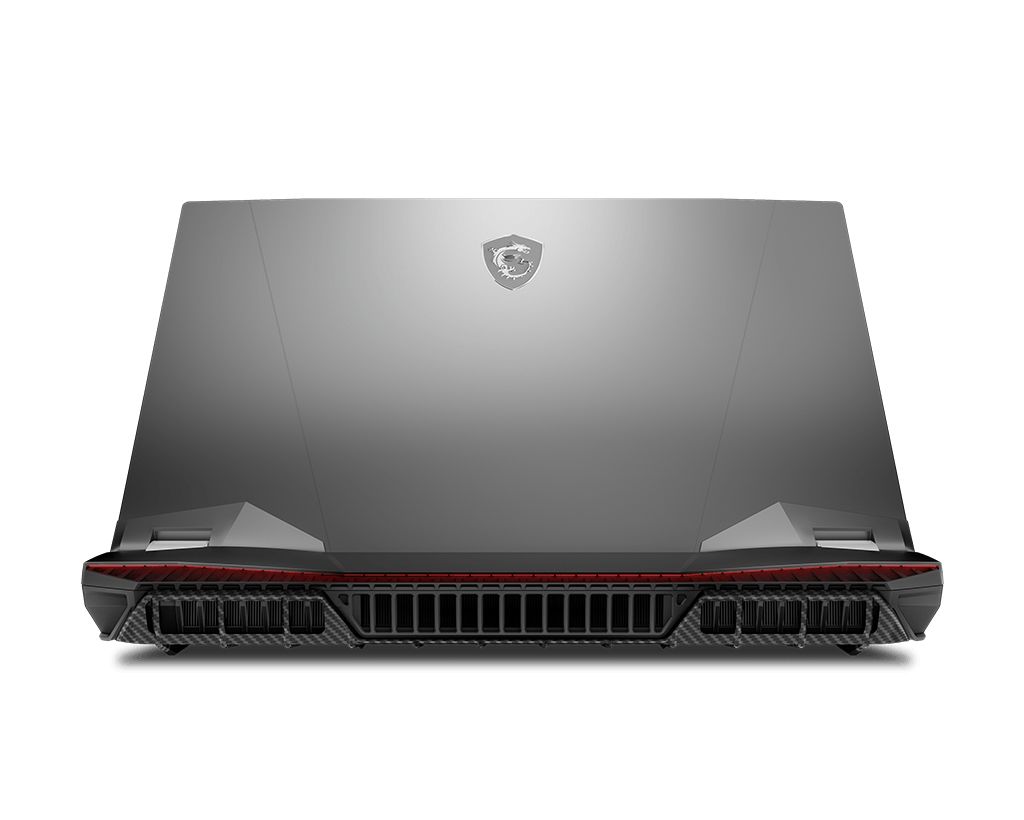
MSI GT76 TITAN DT 9SG-044NE gaming laptop supports memory upgrades via 4x SO-DIMM slots containing DDR4-SDRAM modules. Maximum RAM capacity reaches 128 GB total. Compatible memory modules operate at 2666 MHz frequency. Specifications indicate SO-DIMM form factor for RAM expansion. Upgrade slots accommodate DDR4 memory to enhance system performance. Current configuration allows modifications to boost maximum memory specifications on GT series gaming platform.
Memory Upgrade Specifications
| Specification | Value |
|---|---|
| Memory slots | 4x SO-DIMM |
| Form factor | SO-DIMM |
| Memory type | DDR4-SDRAM |
| Frequency | 2666 MHz |
| Maximum RAM | 128 GB |
| Voltage | 1.2V |
| Number of pins | 260-pin |
| Interface | PC4 |
| PC Speed Rating | PC4-2666 (PC4-21328) |
| Bandwidth | 21.3 GB/s |
| Laptop Release date | 21 September 2019 |
Additional Notes
- The 4 SO-DIMM configuration allows incremental upgrades without discarding existing modules if slots remain available.
- DDR4-2666 operates below the theoretical maximum bandwidth of DDR4-3200, limiting data throughput to approximately 21.3 GB/s per channel in dual-channel mode.
- SO-DIMM modules require verification of physical clearance beneath the keyboard or access panel, as some chassis designs restrict module height beyond JEDEC specifications.
- Mixing memory modules with different densities across the 4 slots may force the memory controller to operate in single-channel mode, halving effective bandwidth.
- The 128 GB ceiling requires 4 modules of 32 GB each, which limits future expansion capacity once maximum density is reached.
- Non-ECC unbuffered SO-DIMMs remain the only compatible type, as registered or ECC variants will either fail POST or operate with error correction disabled.
- Enabling XMP profiles above 2666 MHz may cause instability, as the MSI GT76 TITAN DT 9SG-044NE memory controller is validated only for JEDEC-standard frequencies at this specification.
- Dual-channel architecture activates only when modules are installed in matched pairs with identical specifications, impacting configurations using 1 or 3 modules.
- Accessing memory slots may require complete disassembly of the bottom chassis panel, extending installation time compared to laptops with dedicated memory access doors.
- Third-party memory installations typically preserve manufacturer warranty coverage under Magnuson-Moss provisions, though verification of regional warranty terms remains advisable.
- CAS latency variations between CL19 and CL17 modules at 2666 MHz produce measurable differences in memory-sensitive workloads, though gaming performance typically shows minimal impact.
- Temperature-sensitive DDR4 modules may throttle or generate errors in sustained high-load scenarios if chassis ventilation does not adequately cool the memory compartment.