MSI Gaming GT76 Titan DT 9SF RAM upgrade specifications
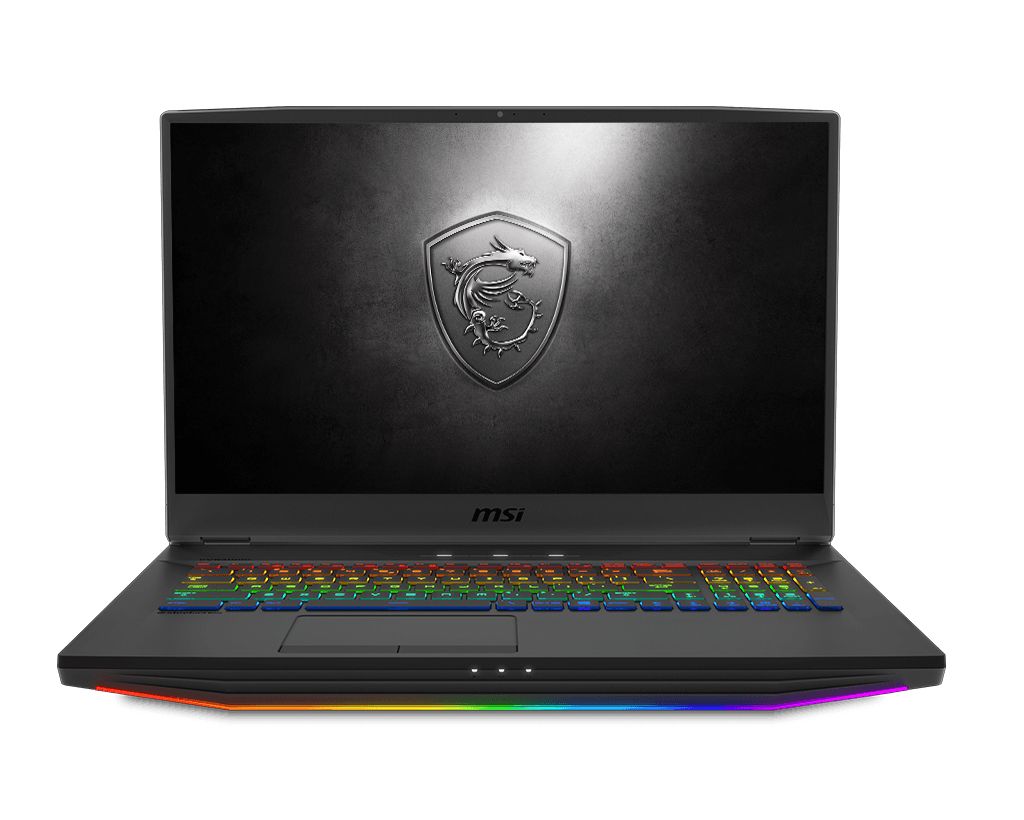
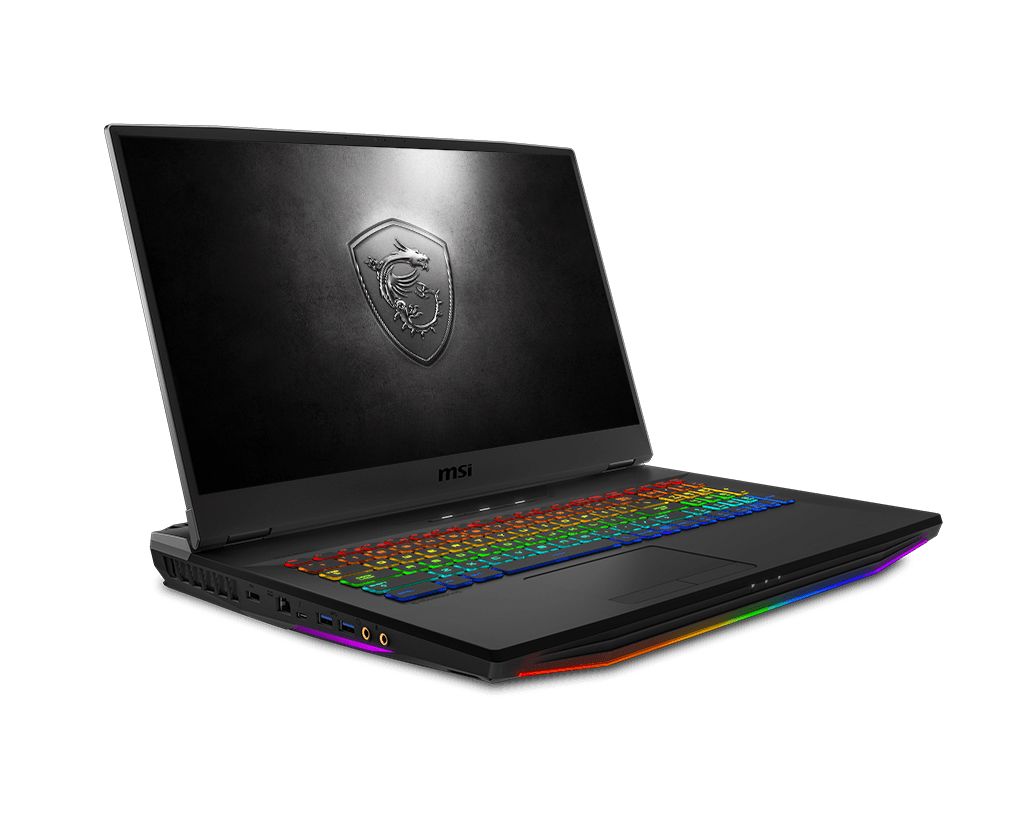
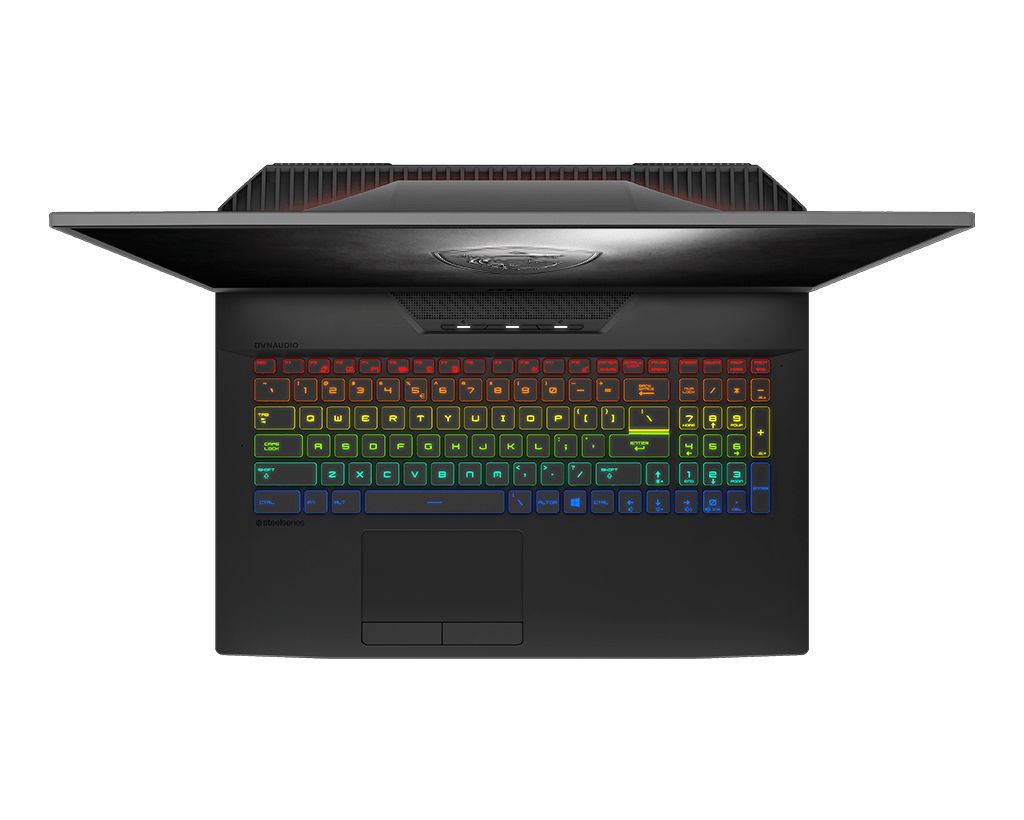
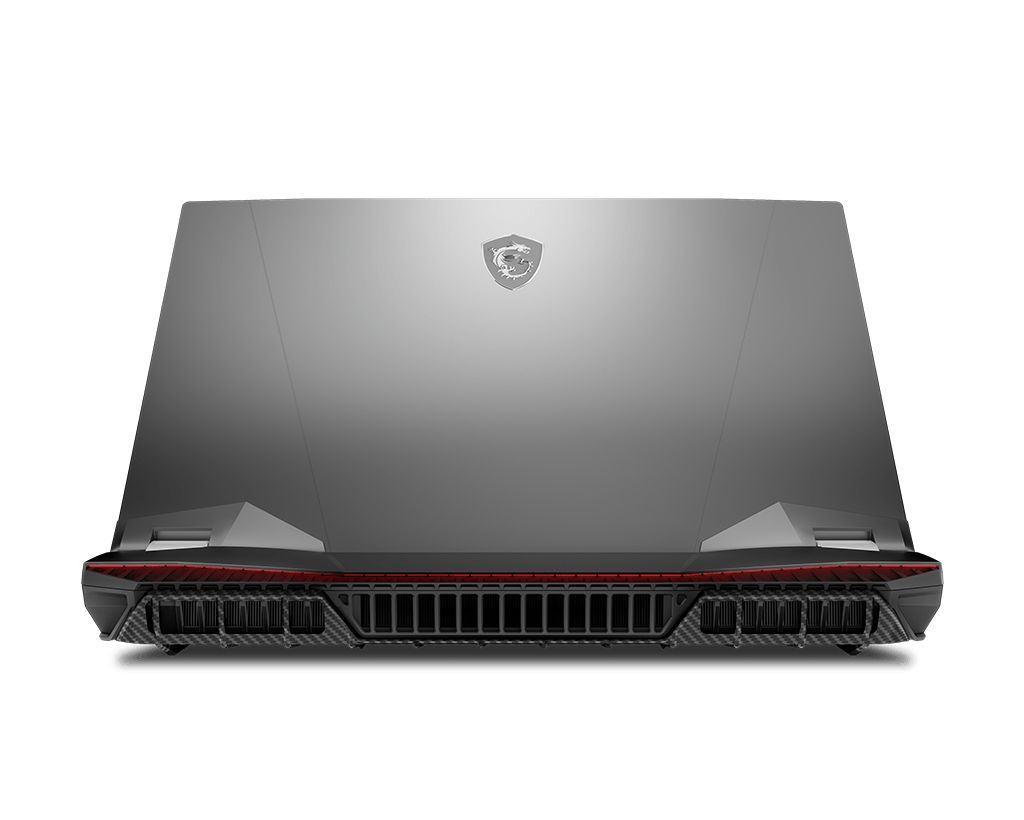
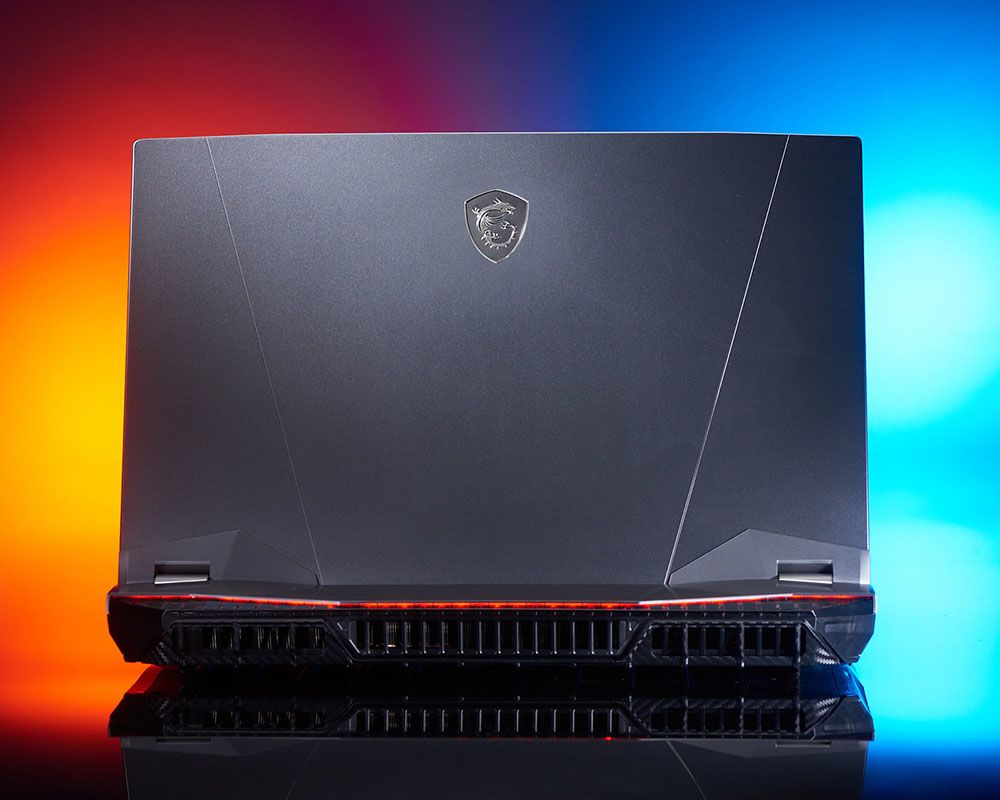
The MSI GT76 Titan DT 9SF gaming laptop features four SO-DIMM slots for DDR4-SDRAM memory upgrades. The system supports a maximum RAM capacity of 128 GB, with compatible memory operating at 2666 MHz frequency. The SO-DIMM form factor specifications enable memory expansion for enhanced multitasking and performance capabilities on the GT series platform.
Memory Upgrade Specifications
| Specification | Value |
|---|---|
| Memory slots | 4x SO-DIMM |
| Form factor | SO-DIMM |
| Memory type | DDR4-SDRAM |
| Frequency | 2666 MHz |
| Maximum RAM | 128 GB |
| Voltage | 1.2V |
| Number of pins | 260-pin |
| Interface | PC4 |
| PC Speed Rating | PC4-2666 (PC4-21328) |
| Bandwidth | 21.3 GB/s |
| Laptop Release date | 31 October 2019 |
Additional Notes
- The 4 SO-DIMM configuration allows incremental upgrades without replacing all modules simultaneously, reducing upfront costs when expanding from lower capacities.
- The 2666 MHz specification represents the JEDEC standard speed for this platform, though higher frequency modules may downclock automatically to this baseline when installed.
- DDR4 SO-DIMM modules operate at 1.2V standard voltage, eliminating compatibility concerns with high-voltage DDR3L or proprietary memory variants that could damage the memory controller.
- The 128 GB maximum capacity requires 4x 32 GB modules, which were premium-priced components at launch and may still carry higher per-gigabyte costs compared to 8 GB or 16 GB densities.
- Dual-channel memory architecture means optimal bandwidth occurs with matched pairs installed in corresponding slots, making 2-module or 4-module configurations preferable to odd-numbered installations.
- SO-DIMM slots in desktop replacement chassis typically require removing the bottom panel rather than a dedicated memory compartment door, necessitating complete system shutdown and careful grounding procedures.
- The MSI GT76 Titan DT 9SF memory controller supports non-ECC unbuffered modules only, excluding server-grade ECC SO-DIMMs that physically fit but cause POST failures.
- Mixing module capacities across slots remains functional but may prevent memory interleaving optimizations, potentially reducing bandwidth in memory-intensive workloads despite total capacity increases.
- Third-party modules require JEDEC-compliant SPD programming for automatic timing configuration, as manual memory timing adjustment may not be accessible in manufacturer-locked firmware implementations.
- The thermal design of high-performance gaming chassis subjects memory modules to elevated ambient temperatures, making modules with heat spreaders preferable for sustained workloads despite SO-DIMM form factor limitations.