MSI Gaming GT76 Titan DT 9SG RAM upgrade specifications
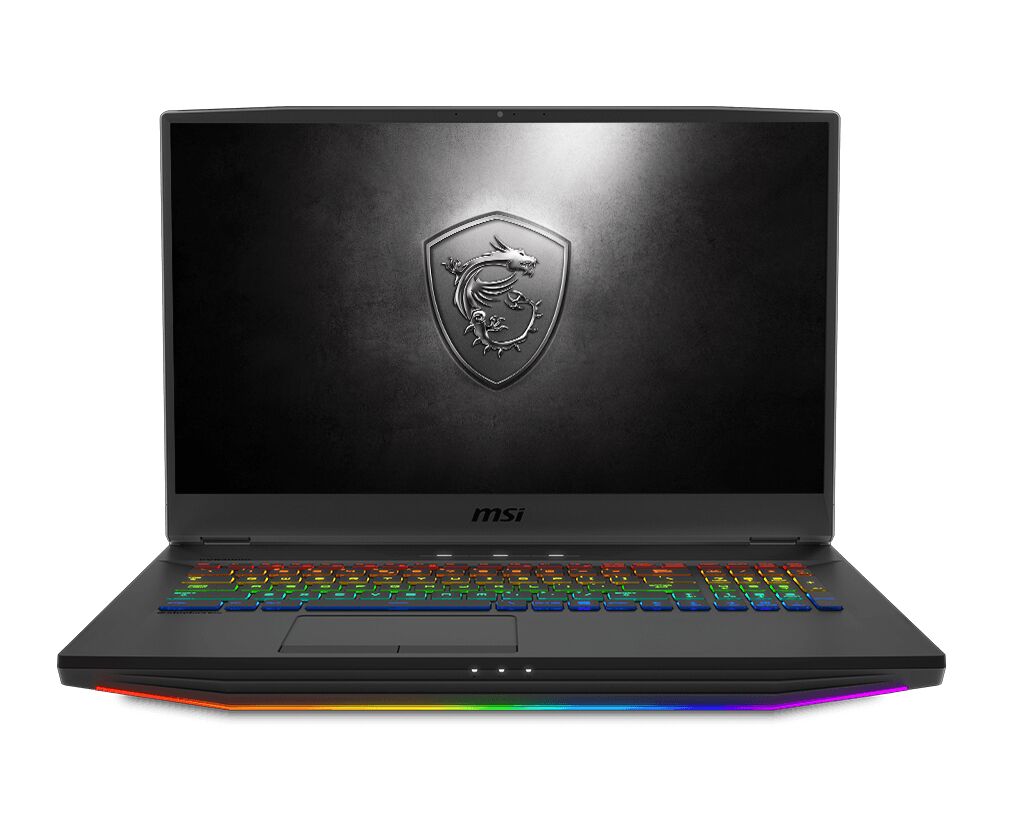
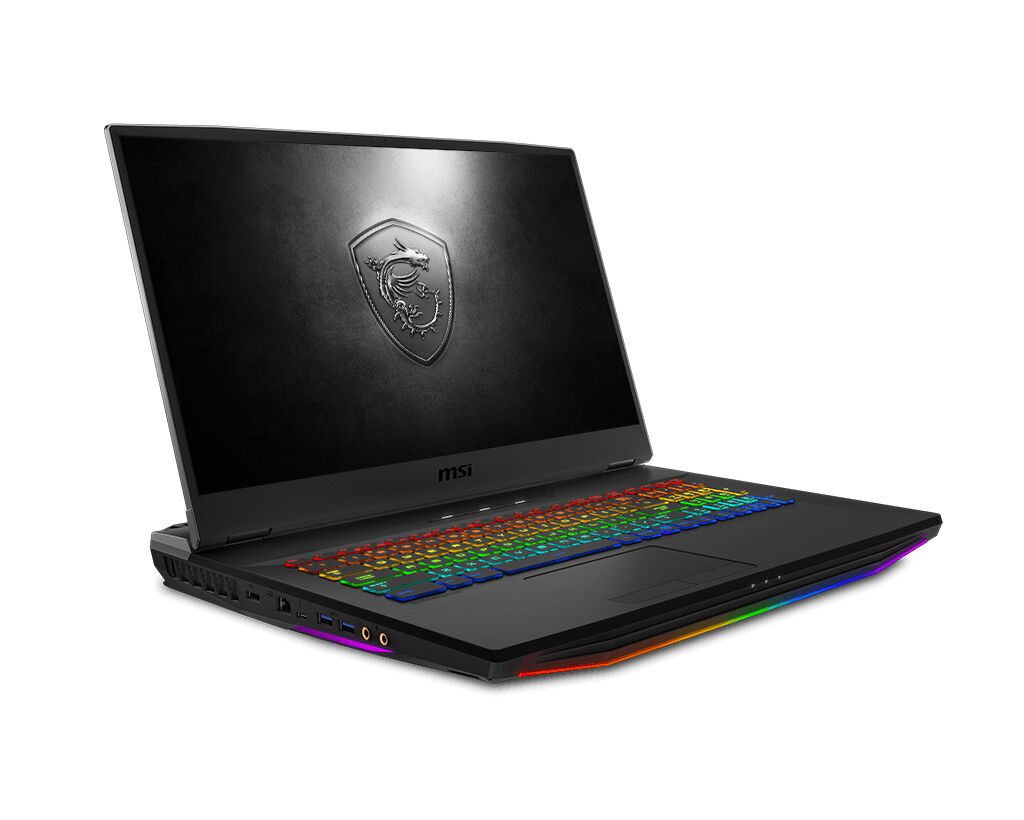
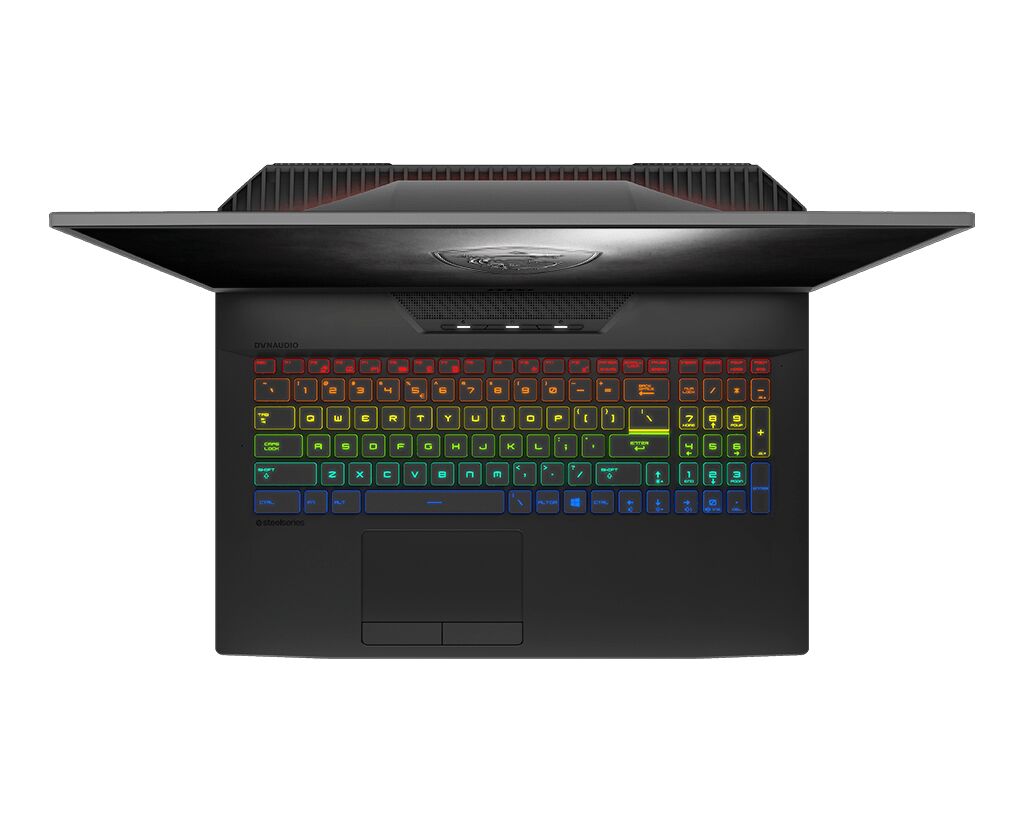
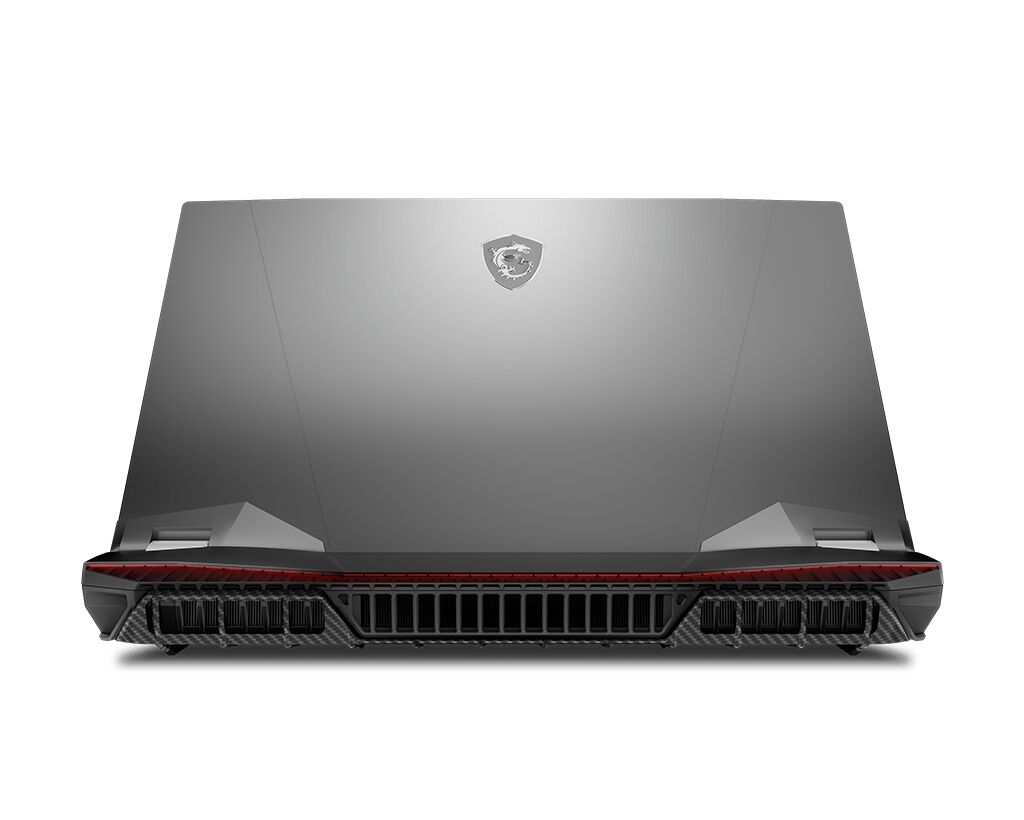
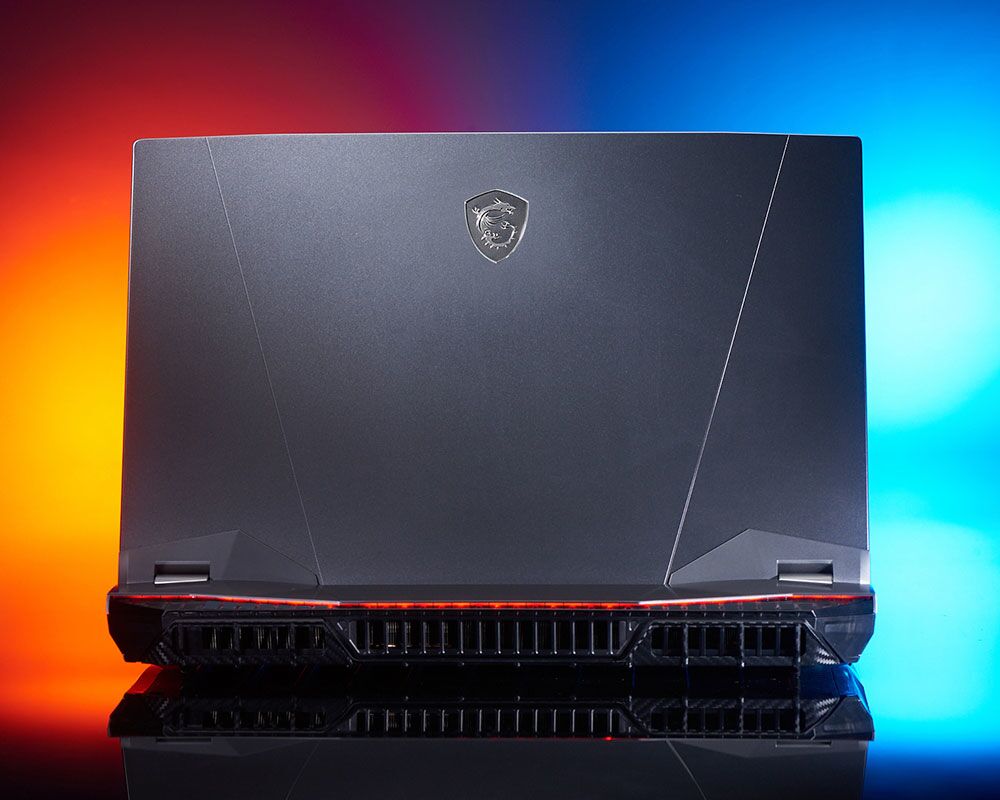
The MSI GT76 Titan DT 9SG gaming laptop features four SO-DIMM slots for DDR4-SDRAM memory upgrades. The system supports a maximum RAM capacity of 128 GB, with compatible memory operating at 2666 MHz frequency. Users can upgrade the memory in the GT76 Titan DT 9SG series by installing DDR4 SO-DIMM modules in the available slots. Specifications indicate this MSI Gaming family model accommodates high-capacity memory configurations for enhanced multitasking and performance.
Memory Upgrade Specifications
| Specification | Value |
|---|---|
| Memory slots | 4x SO-DIMM |
| Form factor | SO-DIMM |
| Memory type | DDR4-SDRAM |
| Frequency | 2666 MHz |
| Maximum RAM | 128 GB |
| Voltage | 1.2V |
| Number of pins | 260-pin |
| Interface | PC4 |
| PC Speed Rating | PC4-2666 (PC4-21328) |
| Bandwidth | 21.3 GB/s |
| Laptop Release date | 31 October 2019 |
Additional Notes
- The MSI GT76 Titan DT 9SG uses laptop-grade SO-DIMM modules rather than full-size UDIMM sticks, restricting upgrades to memory designed for mobile form factors and reducing availability compared to desktop DDR4 options.
- 4 memory slots permit dual-channel or quad-channel configurations depending on module population, but uneven slot filling may disable dual-channel interleaving and reduce bandwidth efficiency to single-channel speeds.
- DDR4-2666 MHz frequency operates below contemporary high-performance DDR4 standards (3000+ MHz common in 2018-2019 gaming systems), creating a performance ceiling that faster replacement modules cannot exceed without BIOS support for overclocking.
- 128 GB maximum capacity assumes compatibility with 32 GB SO-DIMM modules, which carry premium pricing and may not be validated by MSI, potentially voiding upgrade warranties if non-listed modules are installed.
- SO-DIMM modules generate higher power density than comparable capacity UDIMM equivalents, increasing heat output within the confined laptop chassis and potentially triggering thermal throttling during sustained memory-intensive workloads without improved cooling provisions.
- Installing mixed-speed modules (e.g., existing 2666 MHz plus faster replacement DIMMs) forces all memory to operate at the slowest module's frequency, negating performance gains from new hardware and potentially causing stability issues with incompatible IC manufacturers.
- Warranty coverage for user-installed RAM typically requires modules from MSI's official compatibility list; third-party SO-DIMM modules may trigger denial of service claims even if hardware failure is unrelated.