MSI Gaming GT76 Titan DT-089 RAM upgrade specifications
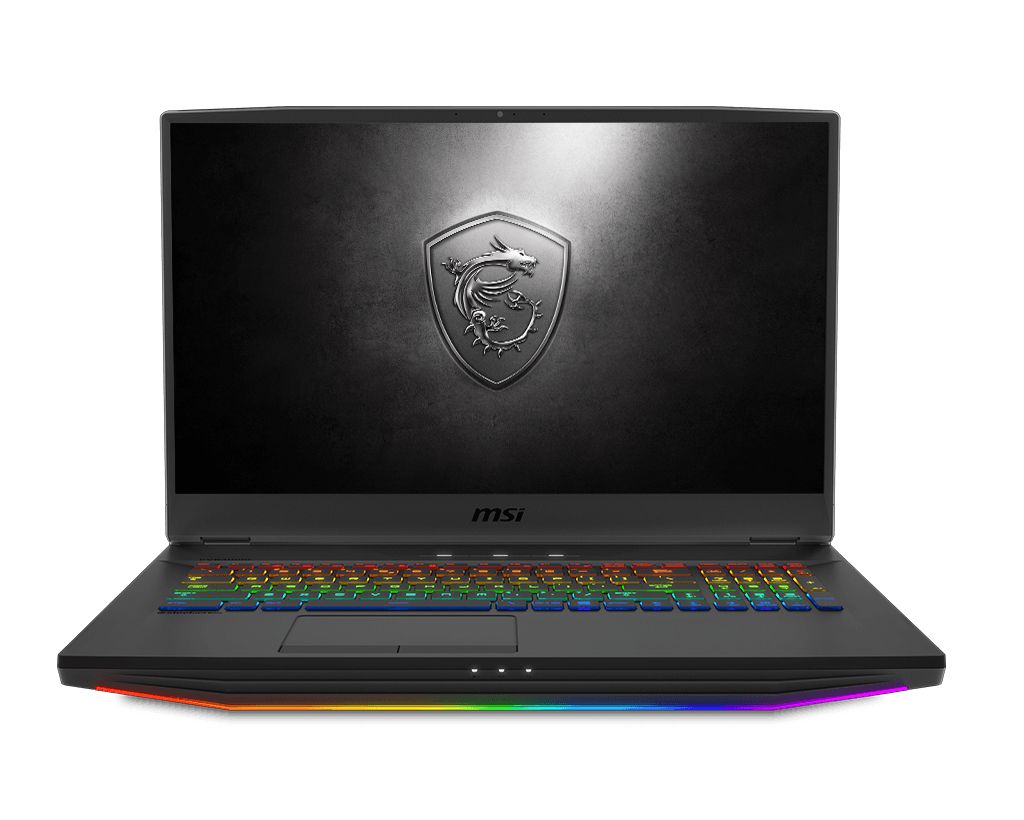
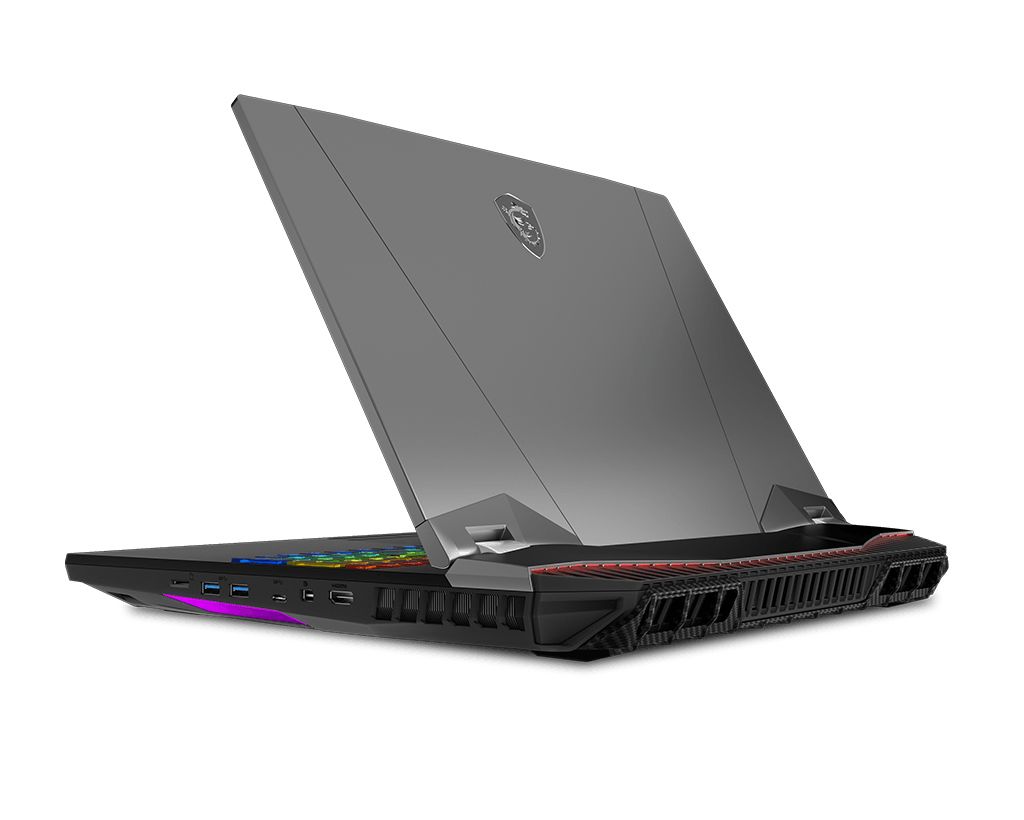
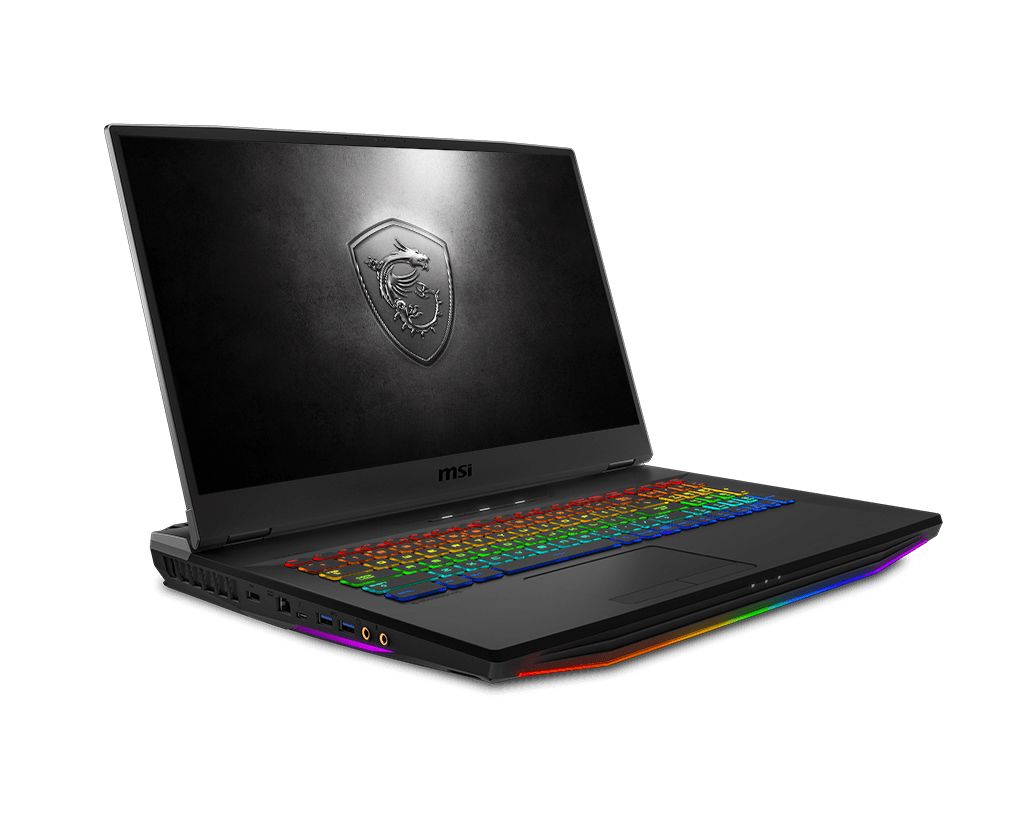
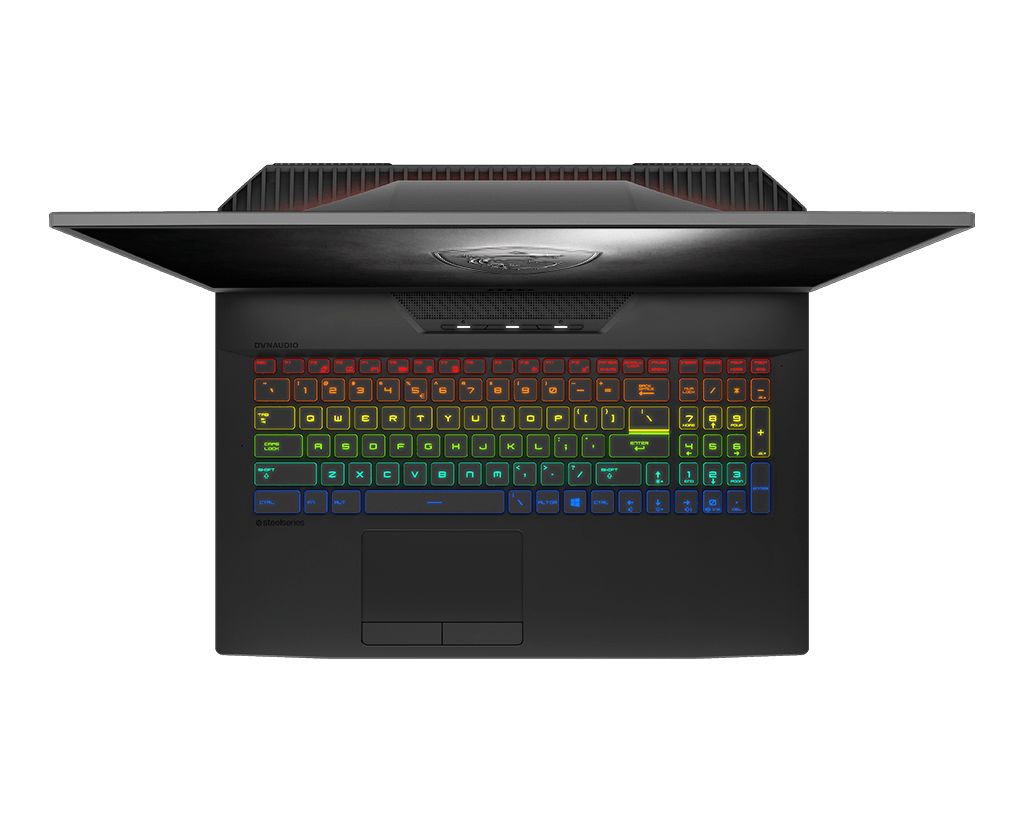
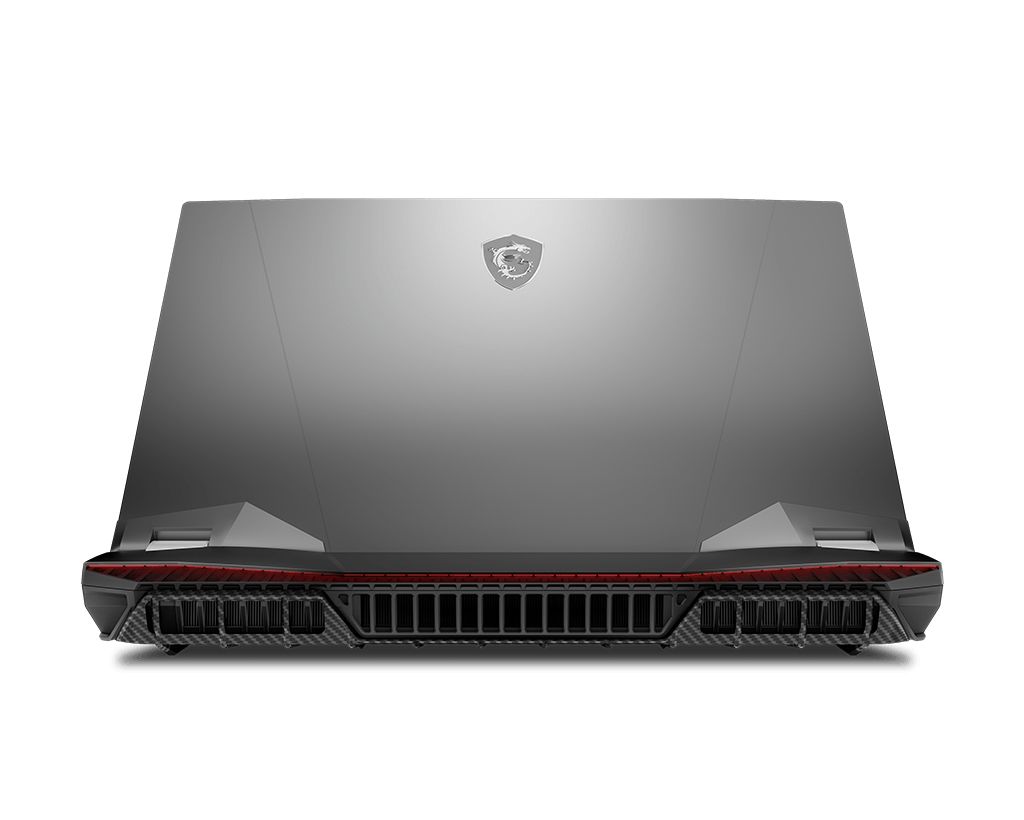
MSI GT76 Titan DT-089 gaming laptop features four SO-DIMM memory slots supporting DDR4-SDRAM modules at 2666 MHz frequency. The system accommodates a maximum RAM capacity of 128 GB when fully upgraded. Compatible memory upgrades utilize SO-DIMM form factor specifications. Current memory configuration and available upgrade capacity depend on existing installed modules. System specifications support DDR4 technology across all four available slots for enhanced multitasking and gaming performance capabilities.
Memory Upgrade Specifications
| Specification | Value |
|---|---|
| Memory slots | 4x SO-DIMM |
| Form factor | SO-DIMM |
| Memory type | DDR4-SDRAM |
| Frequency | 2666 MHz |
| Maximum RAM | 128 GB |
| Voltage | 1.2V |
| Number of pins | 260-pin |
| Interface | PC4 |
| PC Speed Rating | PC4-2666 (PC4-21328) |
| Bandwidth | 21.3 GB/s |
| Laptop Release date | 14 July 2019 |
Additional Notes
- The MSI GT76 Titan DT-089 contains 4 SO-DIMM slots operating at 2666 MHz, which establishes a memory bandwidth ceiling of approximately 85.3 GB/s under ideal conditions. This bandwidth becomes a potential constraint when paired with high-end discrete GPUs that may saturate memory channels during texture-heavy workloads.
- DDR4-2666 MHz represents an older generation memory standard. Upgrading to faster DDR4 modules (3200 MHz or higher) will not increase effective throughput on this platform, as the system's memory controller locks the frequency at 2666 MHz, making faster modules operate at reduced speeds and negating their cost premium.
- SO-DIMM form factor indicates laptop-class memory modules. Compatibility requires sourcing laptop-specific DDR4 SO-DIMM sticks rather than desktop UDIMM variants, as physical dimensions and electrical specifications differ fundamentally between the two formats.
- The 128 GB maximum capacity accommodates memory-intensive applications including high-resolution virtual environments, large dataset processing, and simultaneous multiple virtual machines. However, reaching this limit requires 4 identical 32 GB modules, which may exhibit compatibility variance across manufacturers due to timing profile and thermal management differences.
- Populating all 4 slots with maximum-capacity modules can increase heat dissipation near the SO-DIMM sockets. This thermal concentration may reduce longevity of memory modules in high-performance gaming scenarios involving sustained GPU load and elevated ambient temperatures.
- Warranty retention typically requires using components meeting OEM specifications. Mixing branded memory modules with different PCB layouts or thermal spreader heights may trigger vendor detection systems, potentially voiding coverage claims despite technical compatibility.