MSI Gaming GT83 8RF-036CA Titan RAM upgrade specifications
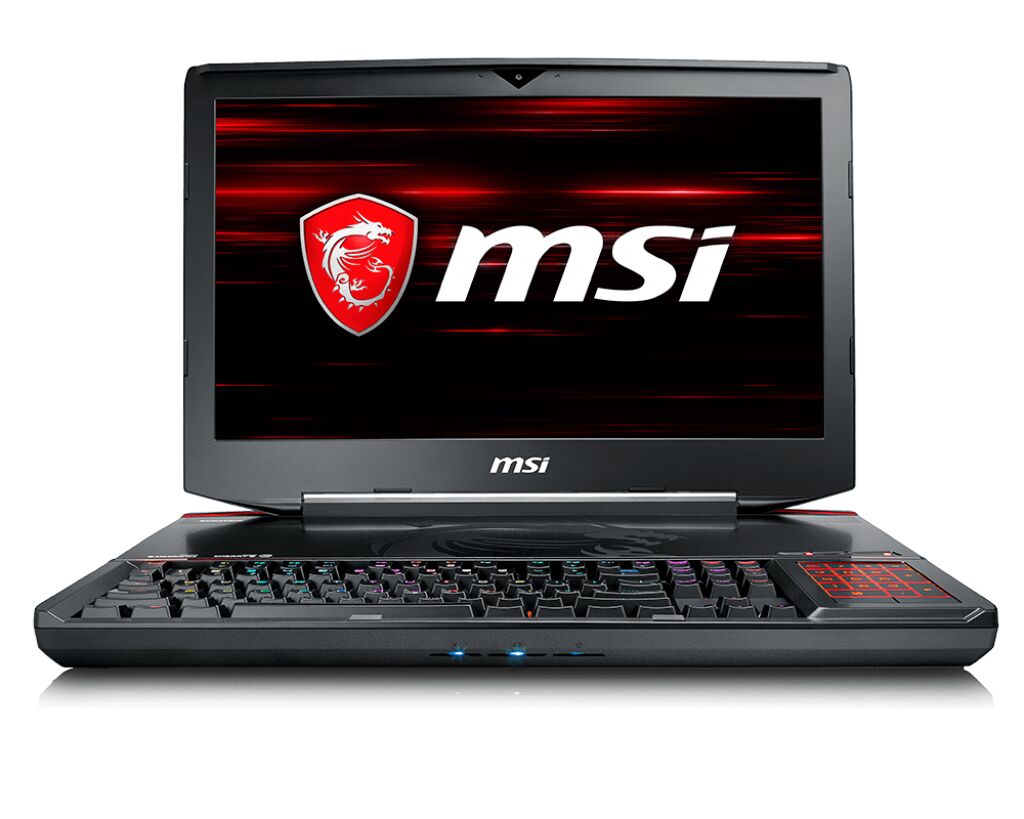
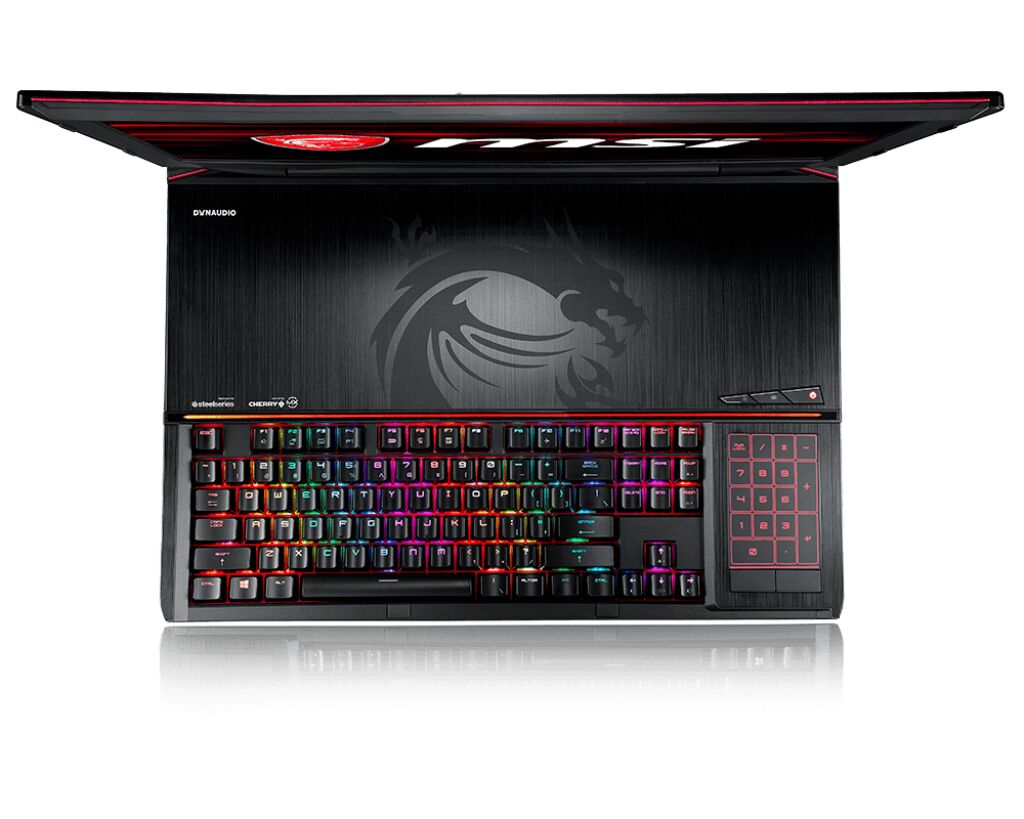
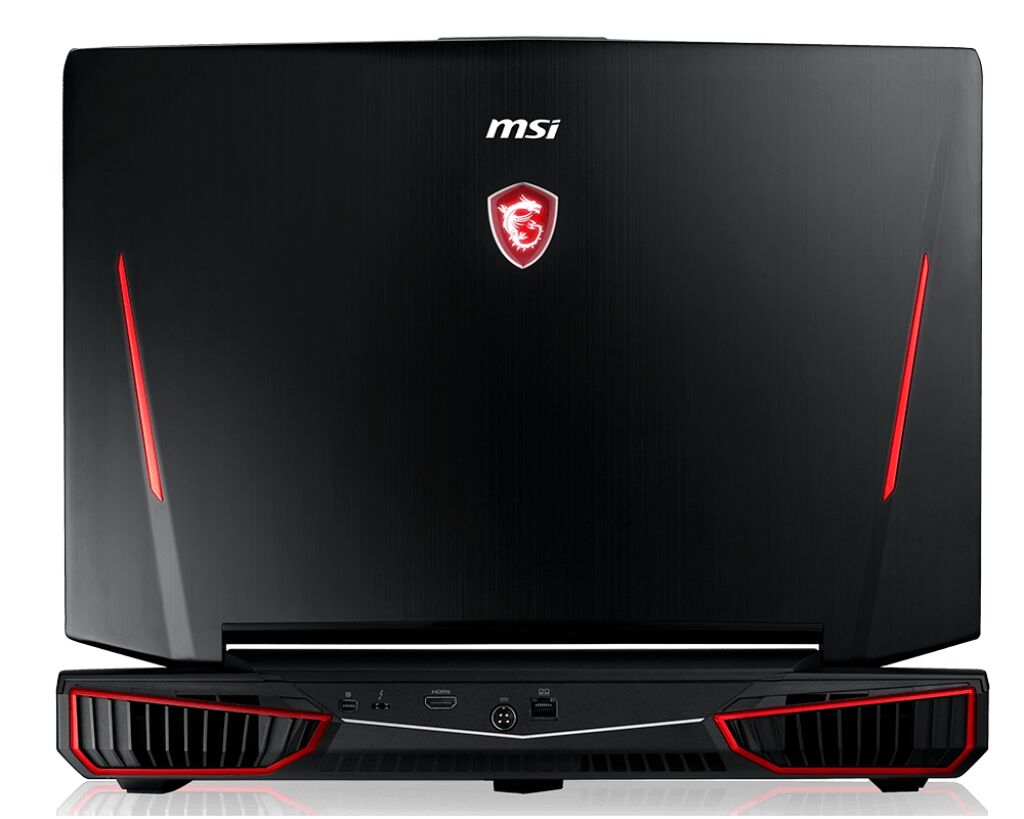
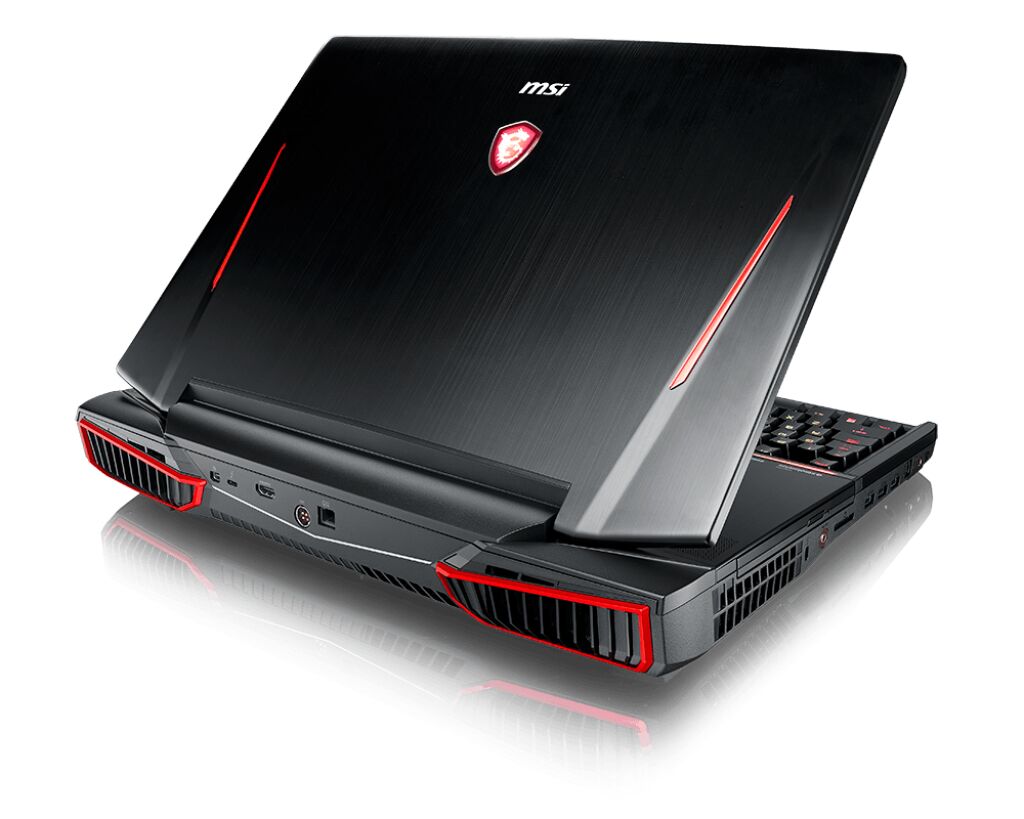
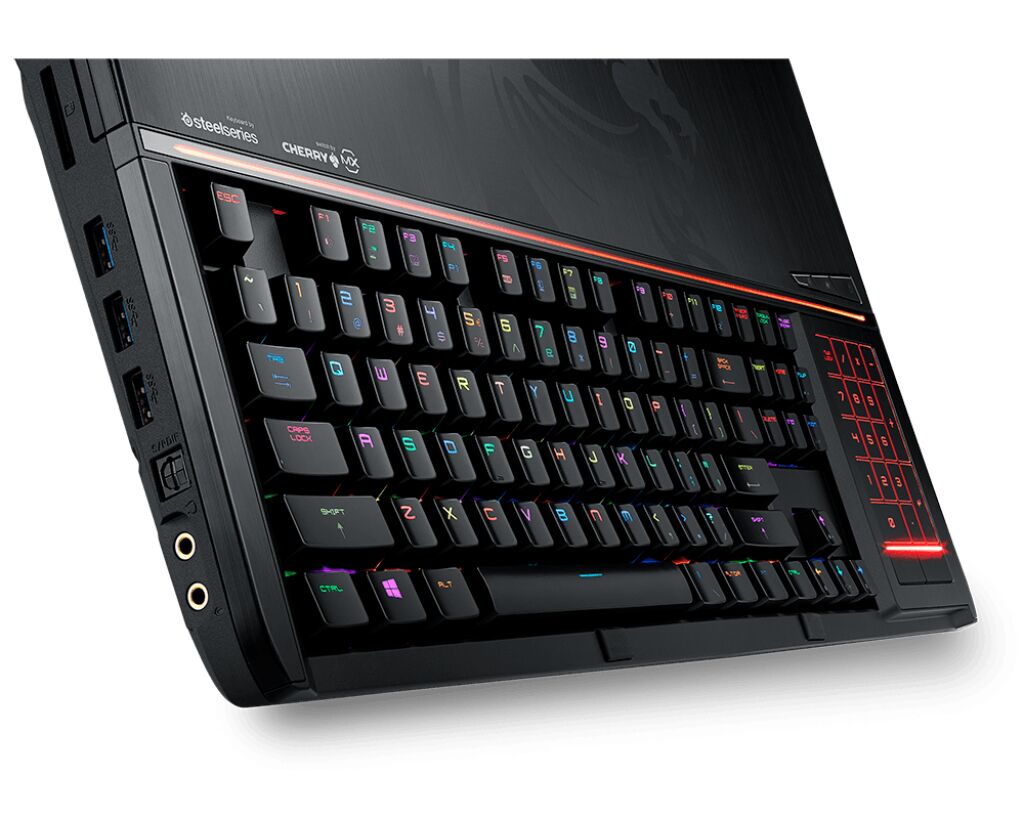
MSI GT83 8RF-036CA Titan Gaming series laptop supports DDR4-SDRAM memory upgrades. Compatible RAM specifications include 4x SO-DIMM slots with maximum capacity of 64 GB total. Memory modules operate at 2666 MHz frequency. Upgrade specifications indicate SO-DIMM form factor modules are required for compatibility. Existing memory configuration and available slots enable users to expand total RAM capacity up to stated maximum specifications.
Memory Upgrade Specifications
| Specification | Value |
|---|---|
| Memory slots | 4x SO-DIMM |
| Form factor | SO-DIMM |
| Memory type | DDR4-SDRAM |
| Frequency | 2666 MHz |
| Maximum RAM | 64 GB |
| Voltage | 1.2V |
| Number of pins | 260-pin |
| Interface | PC4 |
| PC Speed Rating | PC4-2666 (PC4-21328) |
| Bandwidth | 21.3 GB/s |
| Laptop Release date | 16 October 2019 |
Additional Notes
- The MSI GT83 8RF-036CA Titan implements SO-DIMM slots rather than full-size DIMMs, requiring physically smaller modules despite the desktop-class performance positioning of the system.
- DDR4-2666 represents the maximum validated speed for the chipset, meaning higher frequency modules will automatically downclock to 2666 MHz regardless of their rated specifications.
- The 64 GB maximum capacity constraint stems from chipset memory controller limitations rather than slot count, preventing the use of individual 32 GB modules that exceed per-slot addressing capabilities.
- Four memory slots enable quad-channel operation when populated symmetrically, delivering up to 4 times the bandwidth of single-channel configurations for memory-intensive workloads.
- Mixing module capacities across the 4 slots will force the system into asymmetric or flex mode, reducing theoretical peak bandwidth compared to matched quad-channel operation.
- SO-DIMM mechanical specifications require low-profile heat spreaders or bare module designs, as desktop-height thermal solutions physically interfere with chassis clearances.
- Non-ECC unbuffered modules represent the only compatible architecture, as the consumer-grade memory controller lacks error correction circuitry and registered DIMM support.
- Single-rank versus dual-rank module topology affects interleaving efficiency, with 4 dual-rank modules potentially exceeding chipset rank limits and causing stability issues.
- Voltage tolerance remains fixed at 1.2V standard for DDR4, preventing the use of overclocking-oriented modules requiring XMP profiles above specification.
- Thermal constraints in the densely packed chassis may throttle sustained memory-intensive operations when all 4 slots contain high-capacity modules generating cumulative heat.