MSI Gaming GT76 Titan DT 9SG-014ES RAM upgrade specifications
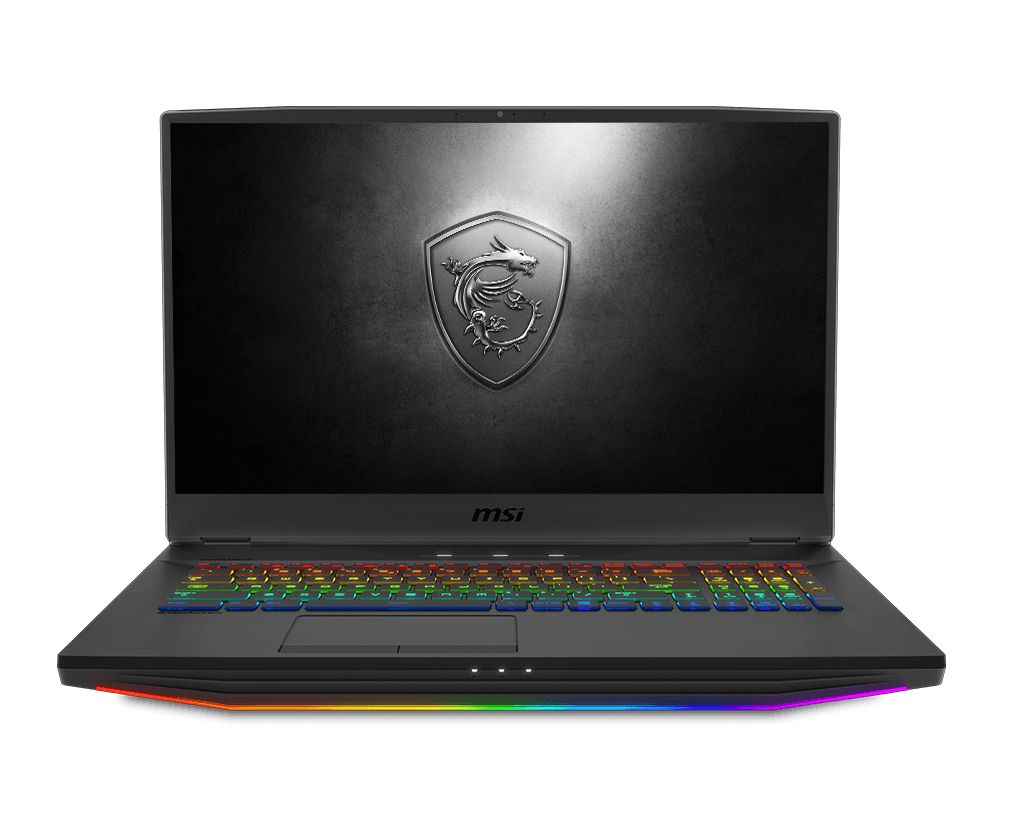
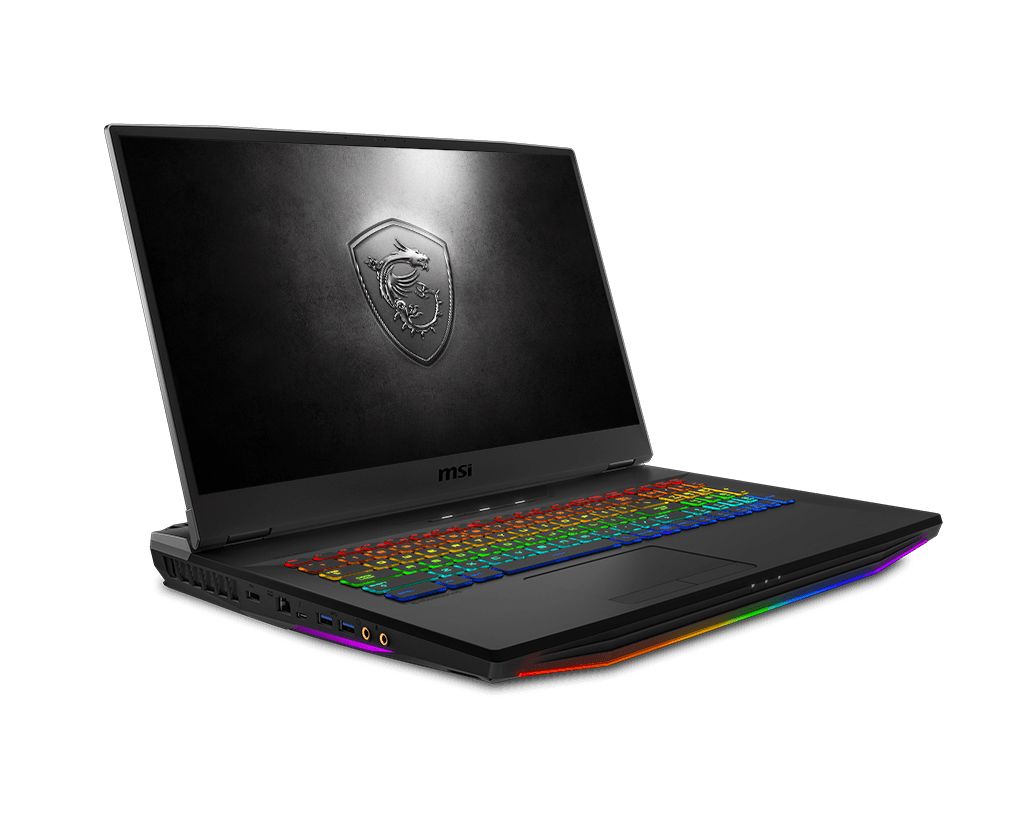
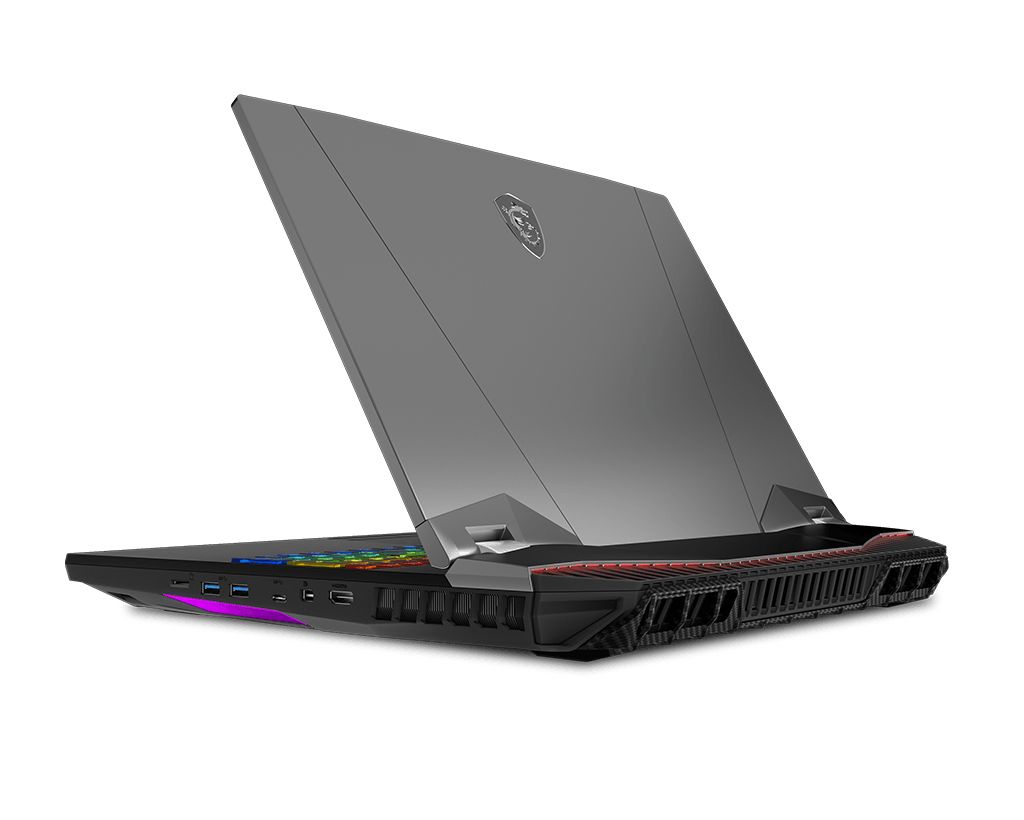
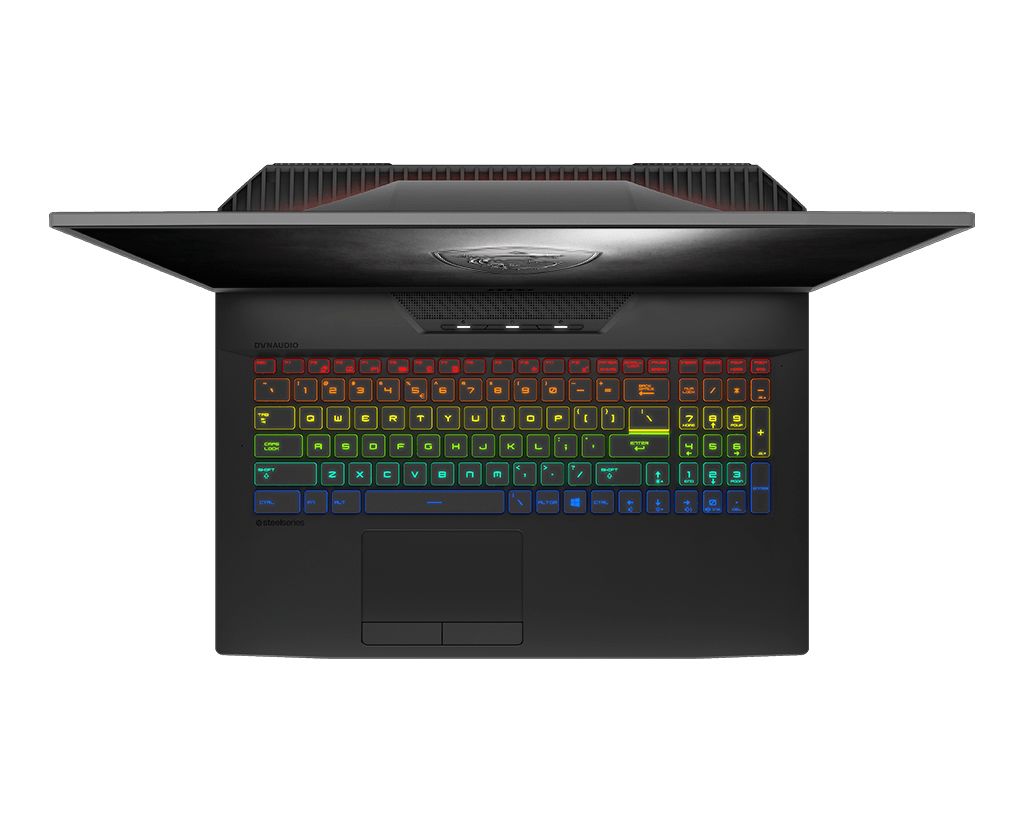
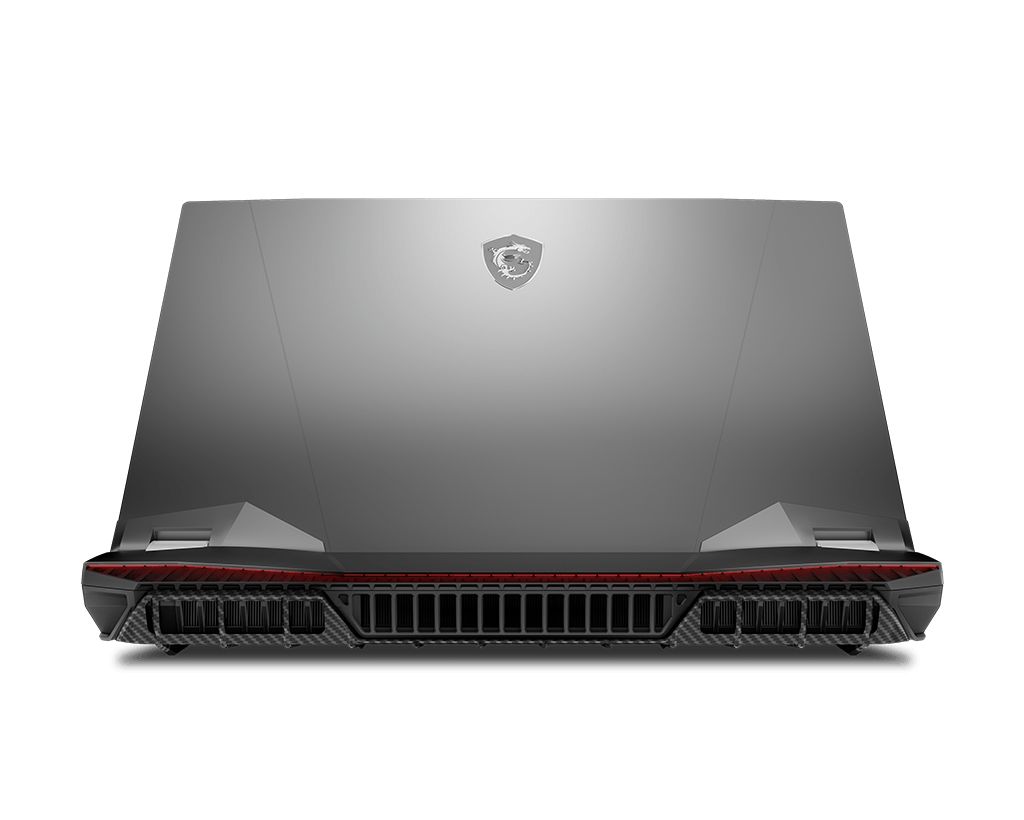
The MSI GT76 Titan DT 9SG-014ES gaming laptop features four SO-DIMM slots for DDR4-SDRAM memory upgrades. The system supports a maximum RAM capacity of 128 GB, with compatible modules operating at 2666 MHz frequency. Memory upgrades are available through the four SO-DIMM slots, allowing users to expand the laptop's memory specifications to suit demanding gaming and professional applications. The GT76 Titan DT series supports DDR4 memory configuration with specifications optimized for high-performance computing requirements.
Memory Upgrade Specifications
| Specification | Value |
|---|---|
| Memory slots | 4x SO-DIMM |
| Form factor | SO-DIMM |
| Memory type | DDR4-SDRAM |
| Frequency | 2666 MHz |
| Maximum RAM | 128 GB |
| Voltage | 1.2V |
| Number of pins | 260-pin |
| Interface | PC4 |
| PC Speed Rating | PC4-2666 (PC4-21328) |
| Bandwidth | 21.3 GB/s |
| Laptop Release date | 01 July 2019 |
Additional Notes
- The presence of 4 memory slots requires a dual-bank configuration where modules must be installed in matched pairs to maintain optimal dual-channel bandwidth efficiency.
- Upgrading the MSI GT76 Titan DT 9SG-014ES to the maximum capacity necessitates high-density 32 GB modules which may increase thermal output within the SODIMM area during heavy computational loads.
- Physical access to all 4 slots often involves removing the primary system board or keyboard assembly because secondary slots are typically located on the opposite side of the PCB.
- Mixing modules with different internal timings will force the memory controller to default to the highest latency profile available among the installed sticks.
- Installing memory with frequencies exceeding 2666 MHz results in automatic downclocking to align with the hardware-level bus limitations of the chipset.
- Populating all 4 slots increases the electrical load on the integrated memory controller which can lead to marginal increases in system power consumption and standby battery drain.
- Utilizing single-rank versus dual-rank modules in a 4-slot configuration creates variations in interleaving performance that affect memory-bound gaming frame rates.