MSI Gaming GT83VR 7RE(Titan SLI)-214NE RAM upgrade specifications
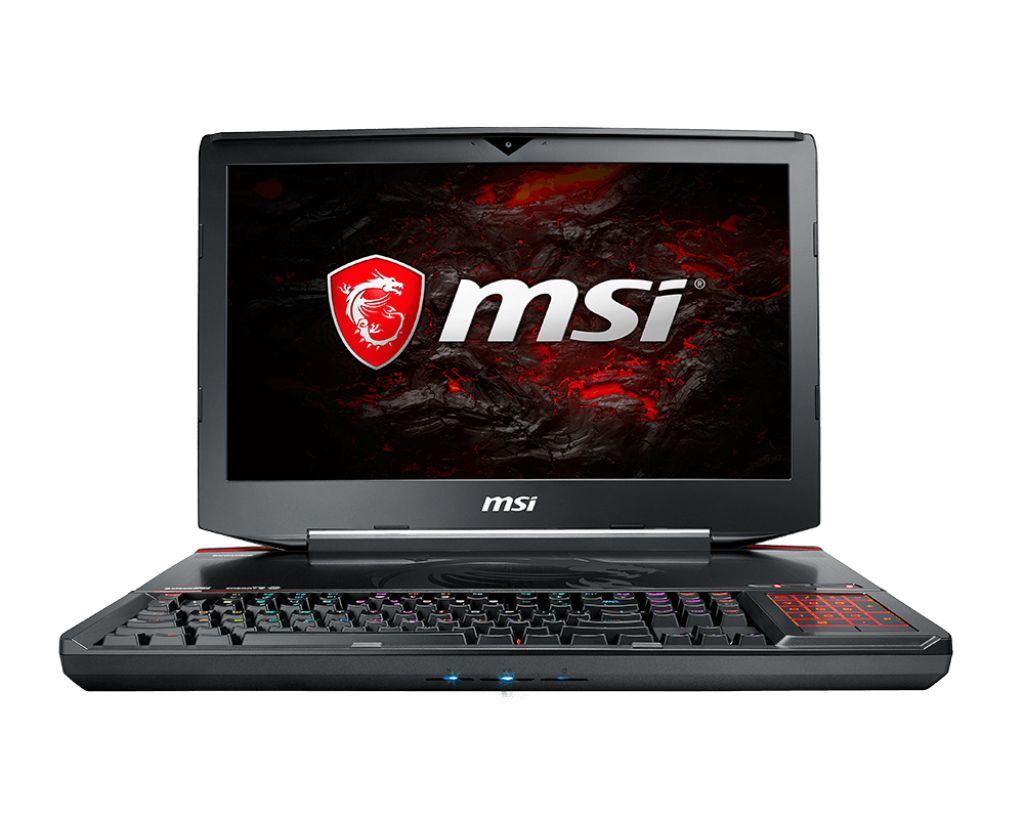
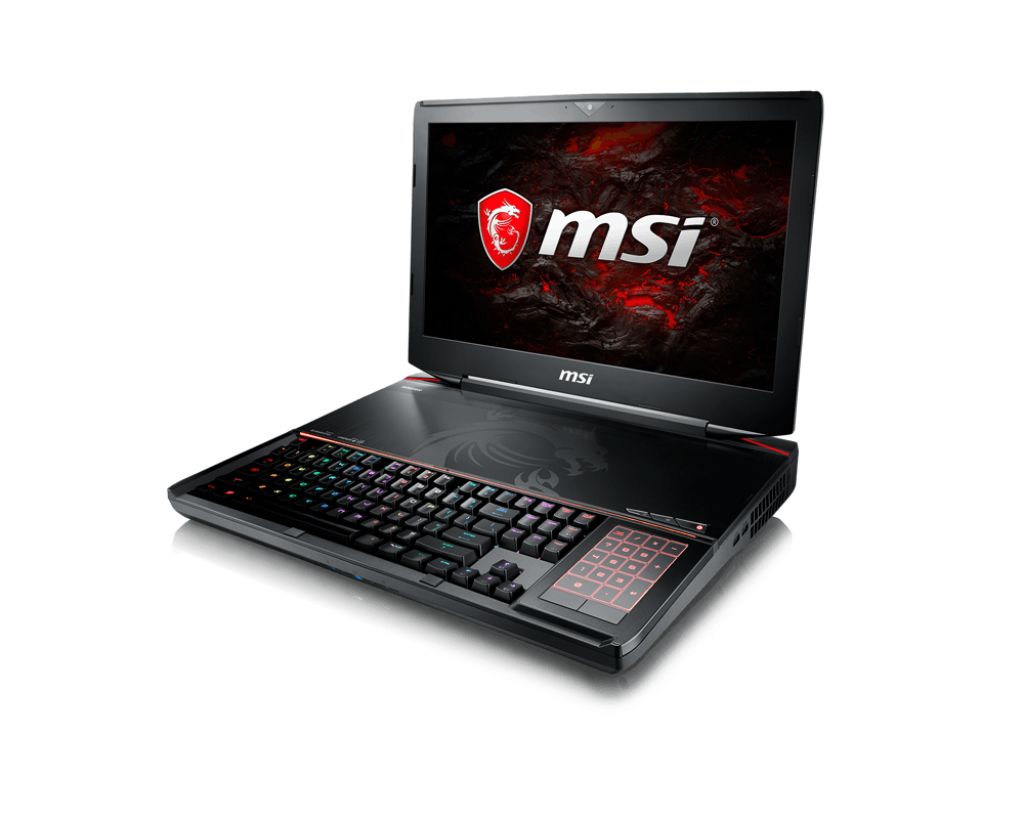
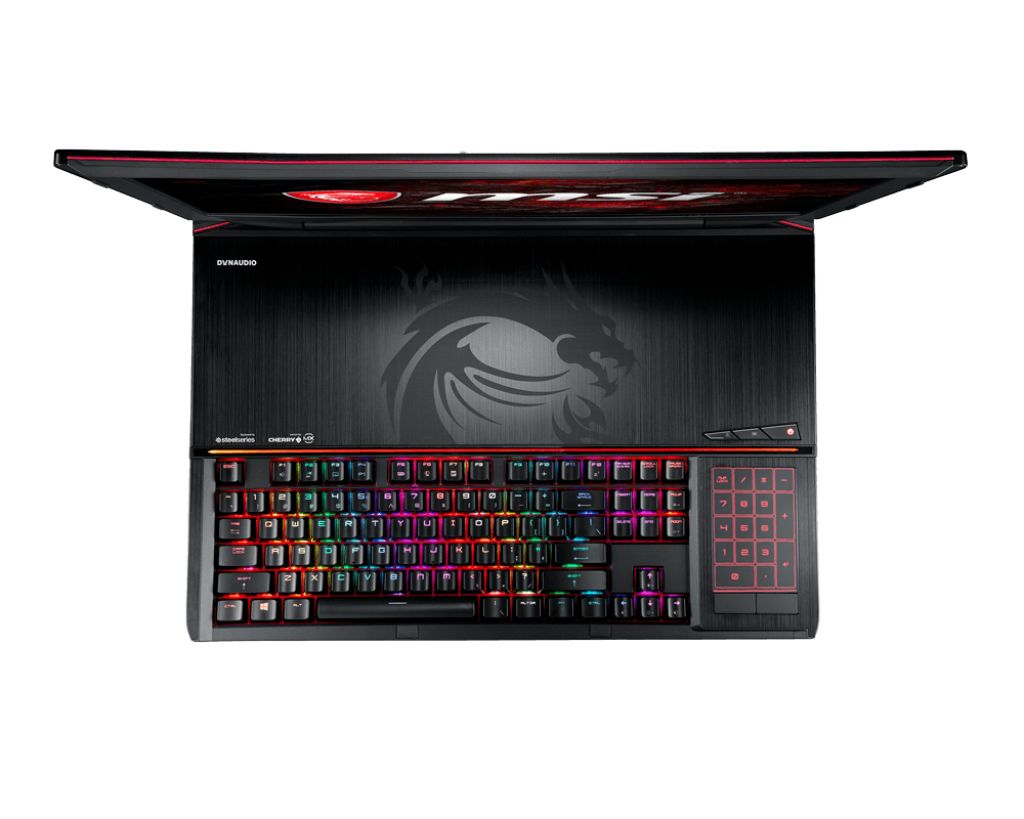
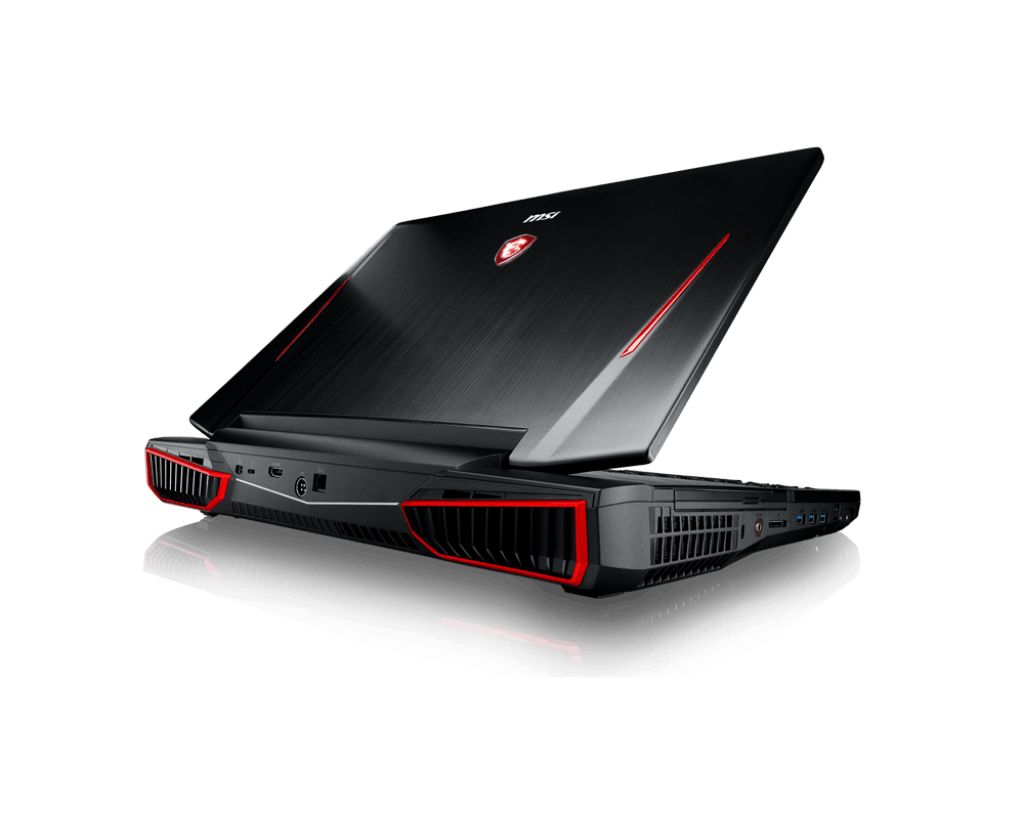
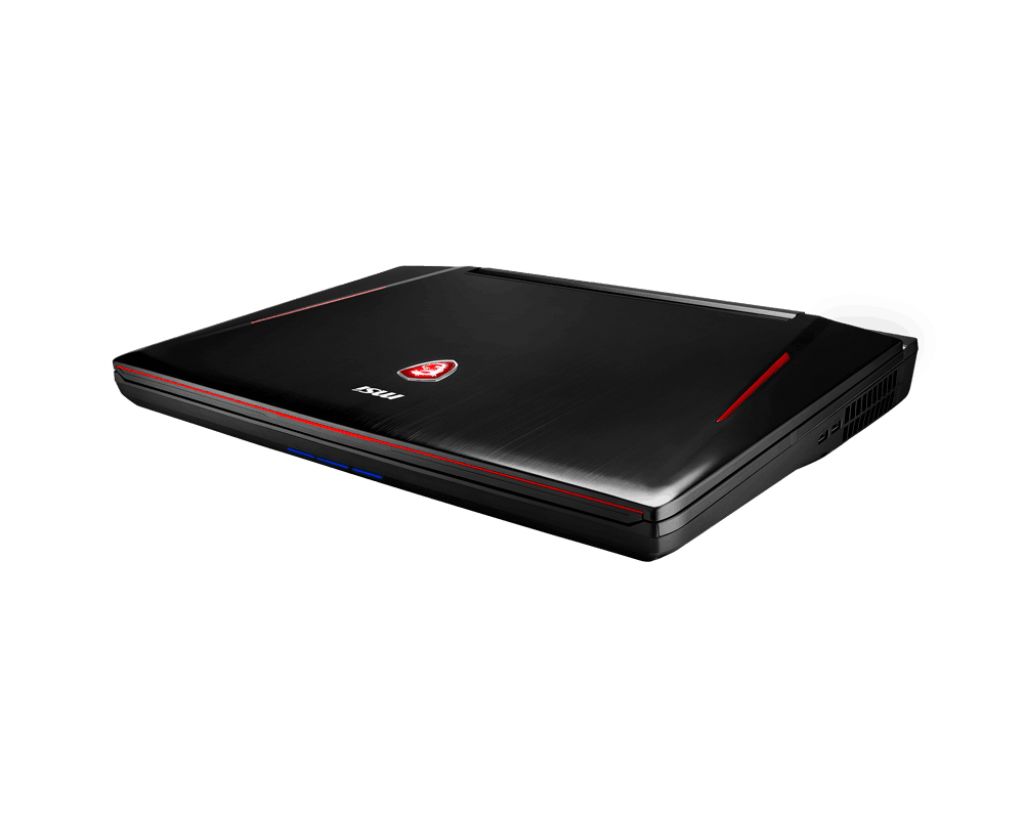
MSI GT83VR 7RE(Titan SLI)-214NE gaming laptop RAM upgrade specifications include four SO-DIMM slots supporting DDR4-SDRAM memory at 2400 MHz frequency. Maximum memory capacity reaches 64 GB total. Compatible RAM modules must match SO-DIMM form factor specifications. Upgrade slots accommodate individual memory modules up to specified capacity limits. DDR4-SDRAM technology defines memory compatibility parameters for the GT series gaming platform.
Memory Upgrade Specifications
| Specification | Value |
|---|---|
| Memory slots | 4x SO-DIMM |
| Form factor | SO-DIMM |
| Memory type | DDR4-SDRAM |
| Frequency | 2400 MHz |
| Maximum RAM | 64 GB |
| Voltage | 1.2V |
| Number of pins | 260-pin |
| Interface | PC4 |
| PC Speed Rating | PC4-2400 (PC4-19200) |
| Bandwidth | 19.2 GB/s |
| Laptop Release date | 10 January 2017 |
Additional Notes
- The 4 SO-DIMM slot configuration mandates paired installation of identical modules to achieve rated performance; single-slot upgrades will operate but force asymmetrical bandwidth allocation across dual GPU paths.
- DDR4-2400 MHz frequency represents a constraint on the memory subsystem's bandwidth capacity relative to dual Titan GPUs; upgrading individual modules to faster DDR4 speeds (3000+ MHz) will downclock to 2400 MHz unless the entire 4-module set matches the higher specification.
- The 64 GB maximum capacity ceiling accommodates future expansion to 16 GB per slot, eliminating need for replacement until workload scaling demands exceed this threshold; partial upgrades to 48 GB or 56 GB leave unused slot potential.
- SO-DIMM form factor requires low-profile modules; standard UDIMM sticks physically cannot fit, and non-ECC variants are necessary since ECC memory will not function in this platform's memory controller architecture.
- Warranty coverage for the MSI GT83VR 7RE(Titan SLI)-214NE typically extends only to factory-specification memory configurations; mixing OEM modules with third-party DDR4 SO-DIMMs may void coverage, necessitating matched-set purchases from authorized retailers to maintain protection.
- The memory bus serves dual discrete GPUs and CPU cores simultaneously; bandwidth saturation becomes a bottleneck under sustained parallel compute workloads despite the upgrade capacity, not a limitation correctable through speed increases alone.