MSI Gaming GF63 10SCXR-037FR Thin RAM upgrade specifications
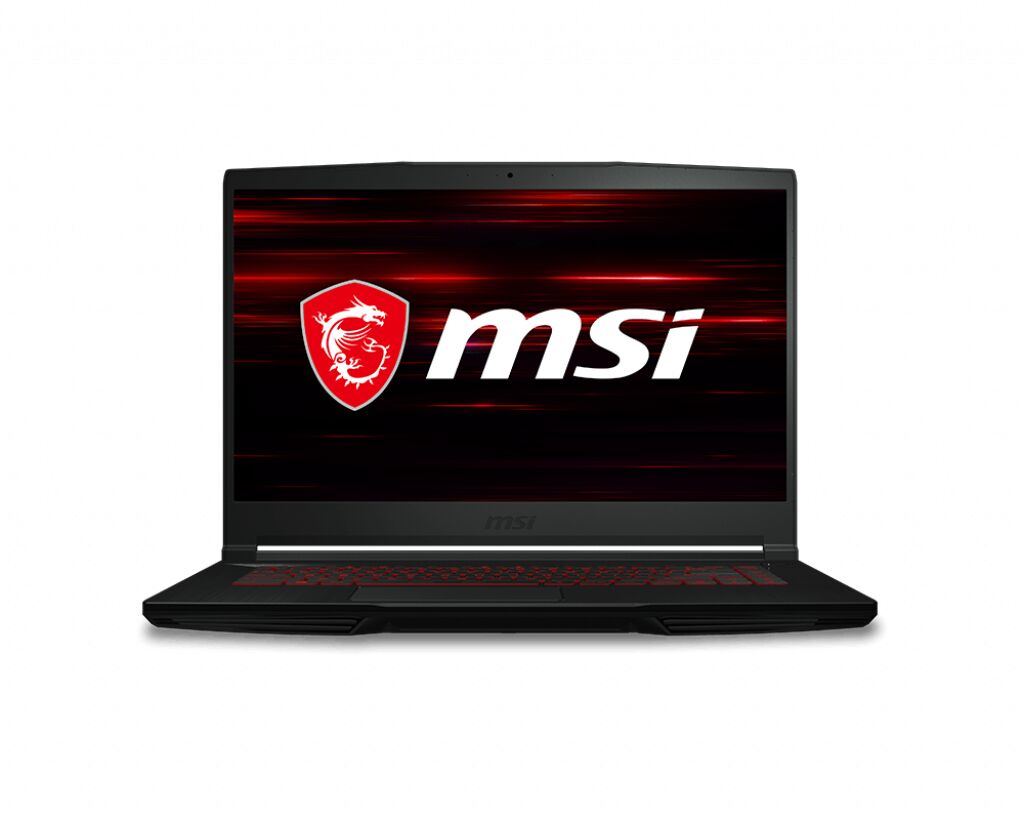
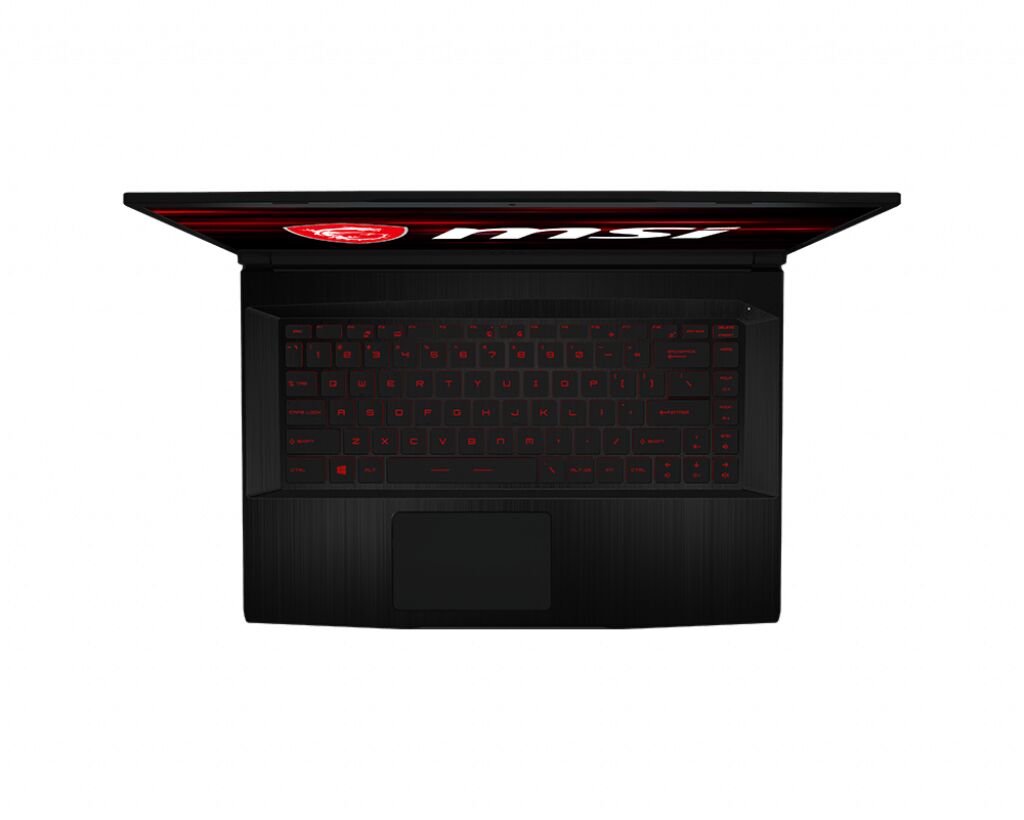
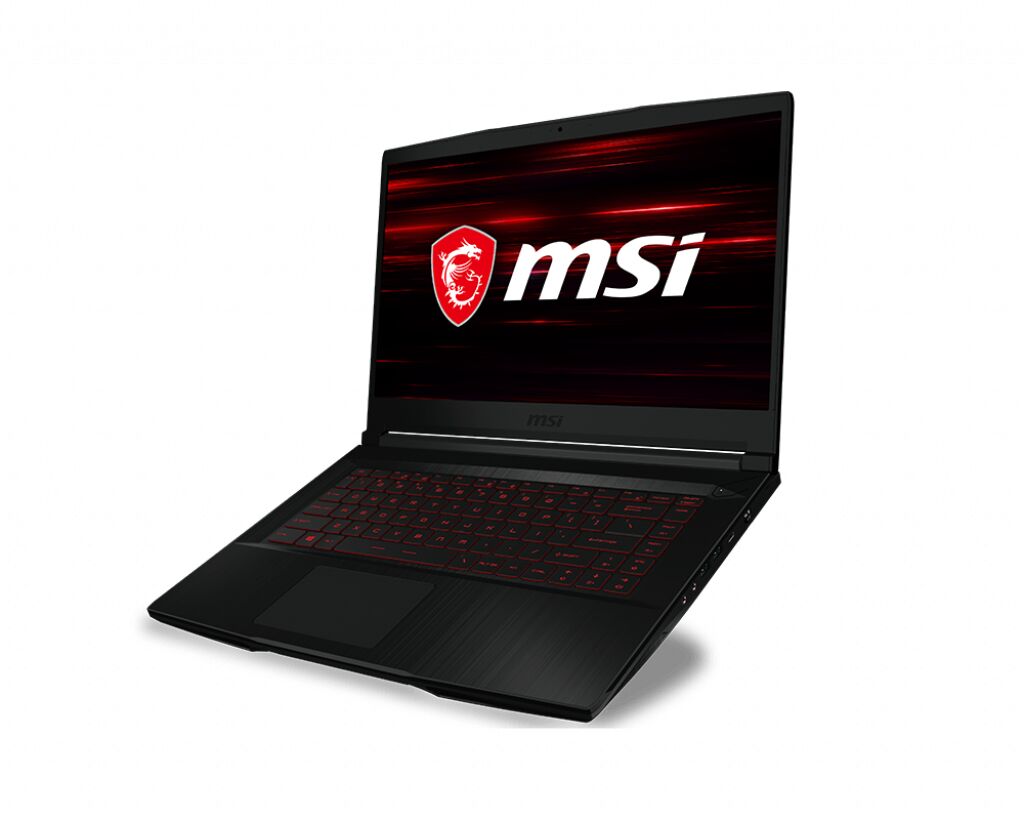
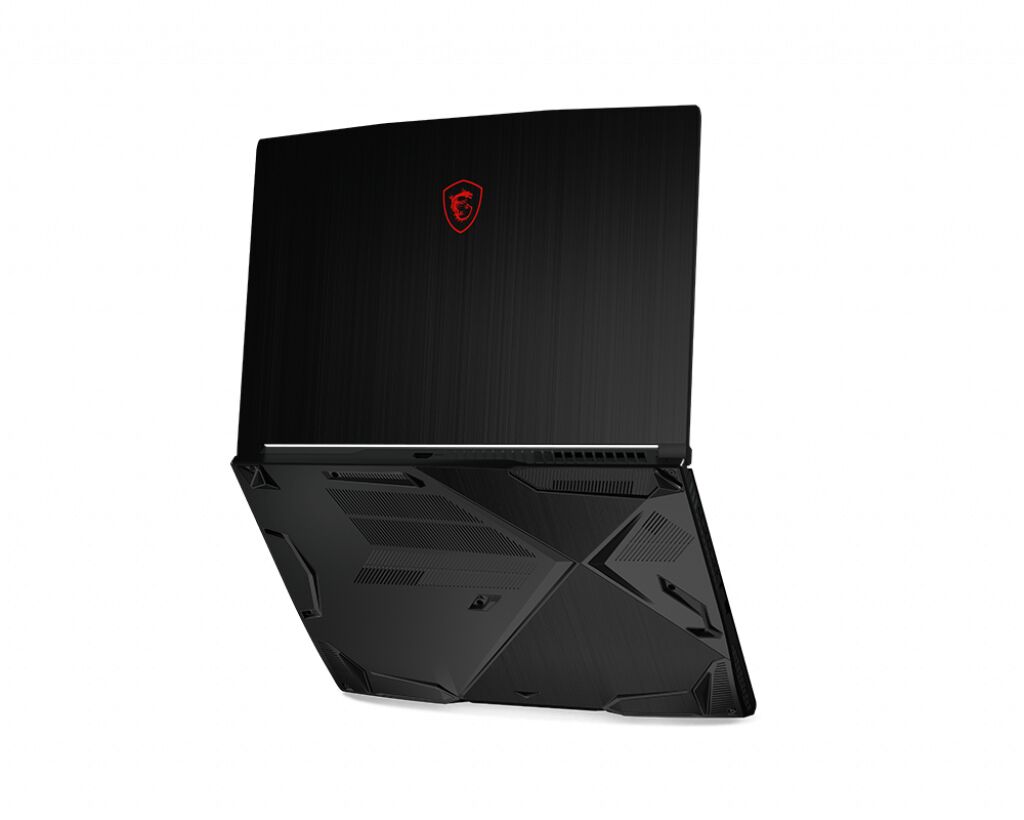
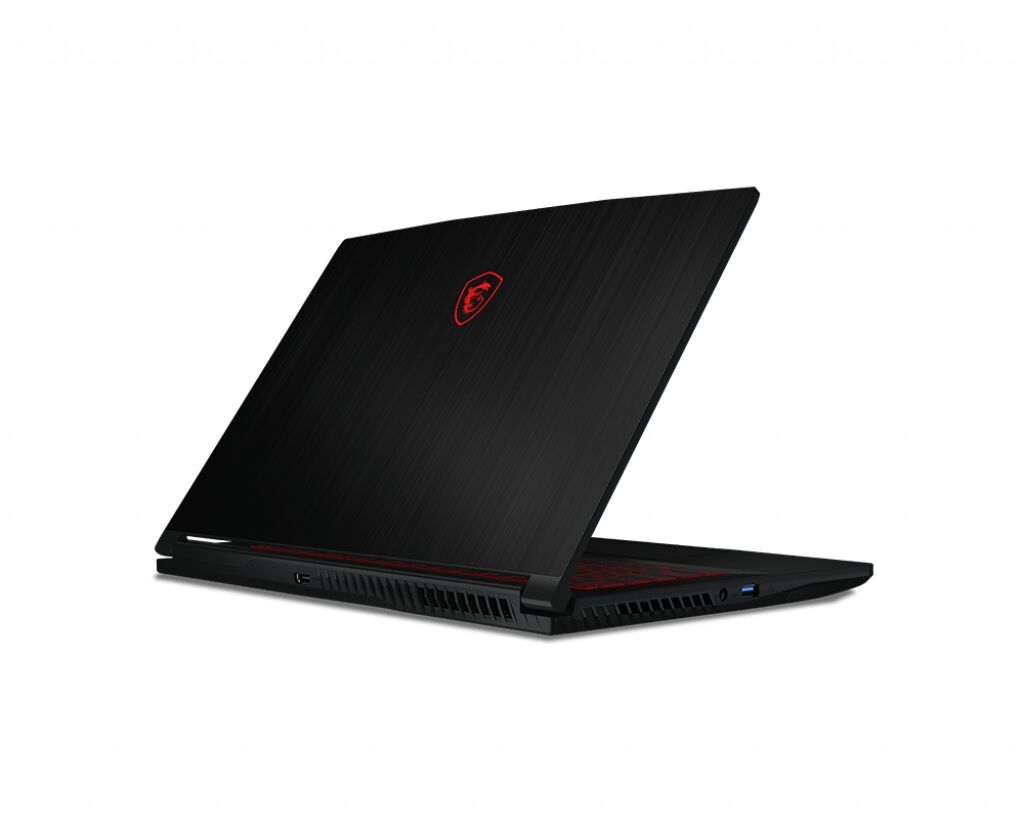
The MSI GF63 10SCXR-037FR Thin gaming laptop features DDR4-SDRAM memory upgrade specifications. The device contains 2x SO-DIMM slots for memory expansion, supporting a maximum RAM capacity of 64 GB. Compatible memory modules operate at 2666 MHz frequency and utilize the SO-DIMM form factor. These specifications define the upgrade potential and memory configuration parameters for the MSI Gaming GV series model.
Memory Upgrade Specifications
| Specification | Value |
|---|---|
| Memory slots | 2x SO-DIMM |
| Form factor | SO-DIMM |
| Memory type | DDR4-SDRAM |
| Frequency | 2666 MHz |
| Maximum RAM | 64 GB |
| Voltage | 1.2V |
| Number of pins | 260-pin |
| Interface | PC4 |
| PC Speed Rating | PC4-2666 (PC4-21328) |
| Bandwidth | 21.3 GB/s |
| Laptop Release date | 13 June 2020 |
Additional Notes
- The MSI GF63 10SCXR-037FR Thin supports DDR4 memory at 2666 MHz, which represents a bandwidth ceiling that predates higher-speed DDR4 variants (3000+ MHz). Upgrading to faster DDR4 modules will operate at the native 2666 MHz specification, yielding no performance gain from premium-speed inventory.
- SO-DIMM slots impose strict spatial constraints typical of thin gaming laptops. Memory modules must not exceed standard SO-DIMM height tolerances, disqualifying some aftermarket heatspreader designs. Low-profile RAM variants ensure installation without interference from adjacent hardware or the system lid.
- Dual SO-DIMM architecture enables symmetric dual-channel operation only when both slots contain matched capacity modules. Mismatched configurations (such as 8 GB plus 16 GB) will default to single-channel performance on the smaller module, creating asymmetric bandwidth availability.
- The 64 GB maximum capacity ceiling accommodates only 2x 32 GB SO-DIMM configurations, a state dependent on module availability at the time of upgrade. This represents the practical upper limit; exceeding it requires complete module replacement rather than incremental addition.
- Factory-installed memory typically operates at JEDEC baseline speeds (2666 MHz) rather than XMP/DOCP profiles. Third-party modules featuring manufacturer overclocking profiles will downclock to native specifications unless manually enabled in BIOS, if such options exist in the firmware implementation.