MSI Gaming GV62 8RC-042MX RAM upgrade specifications
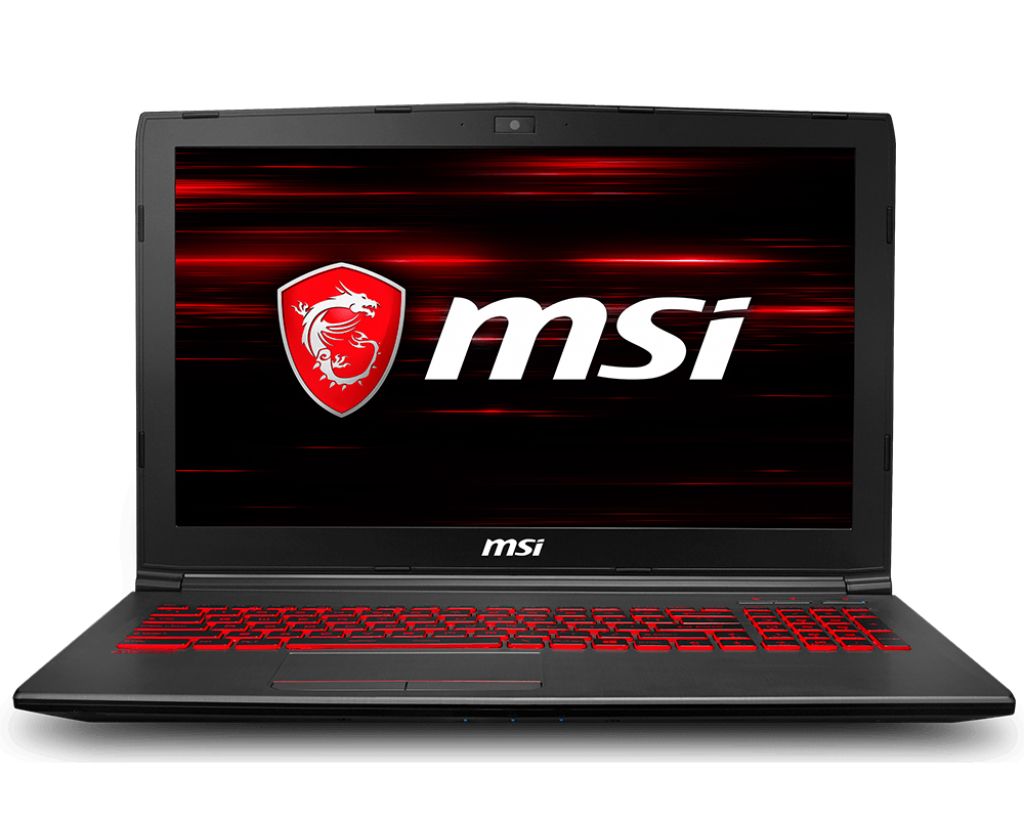
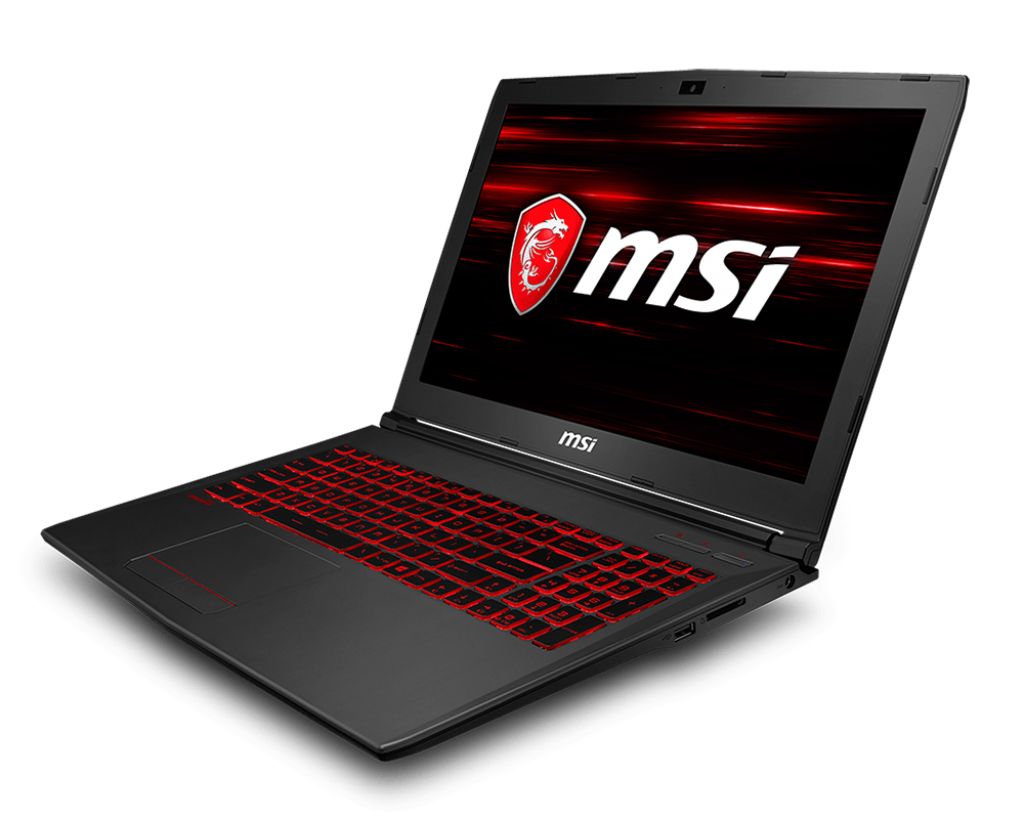
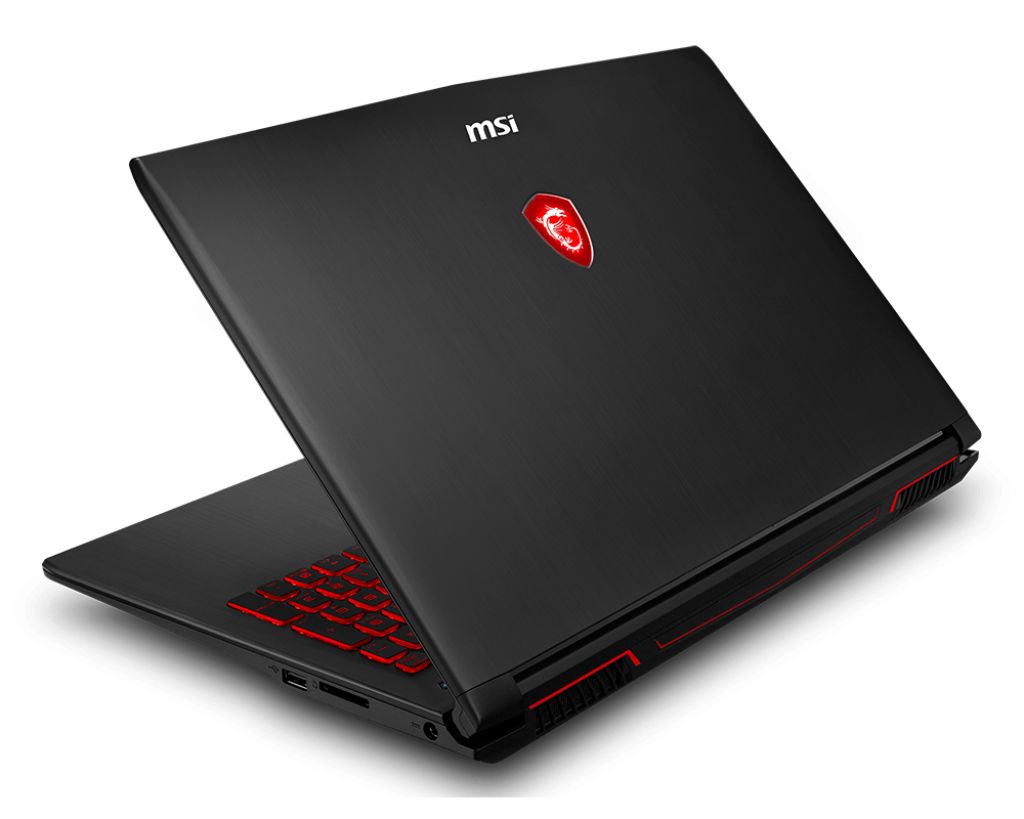
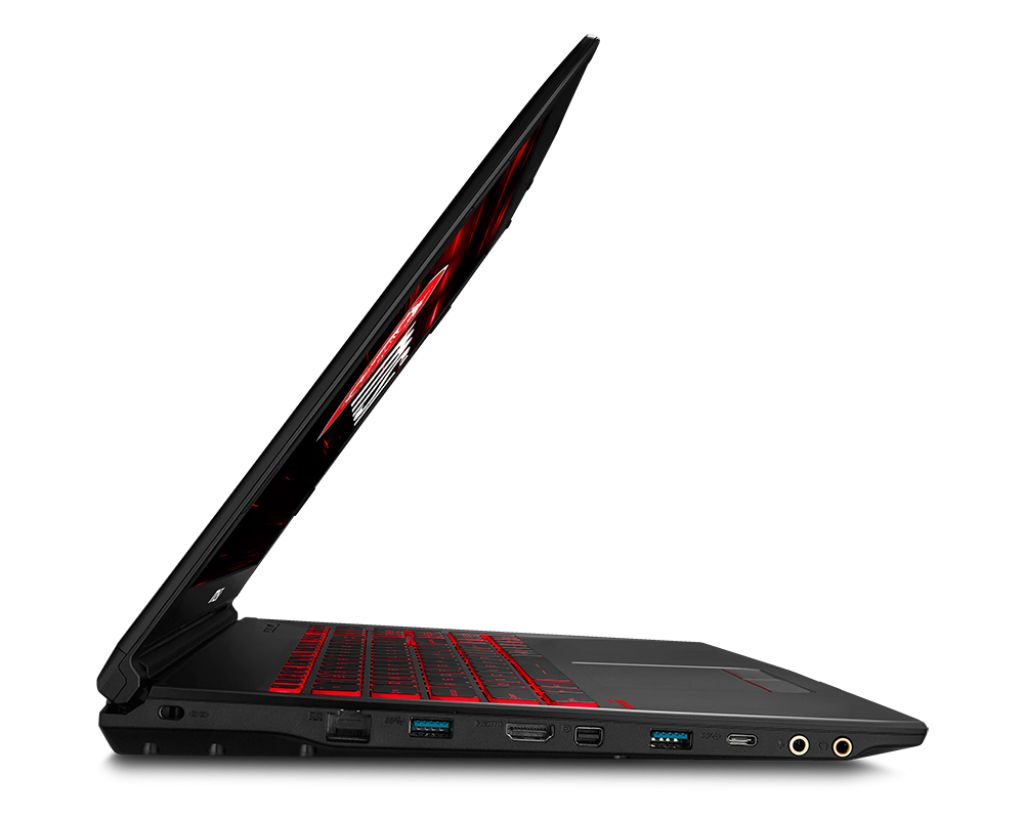
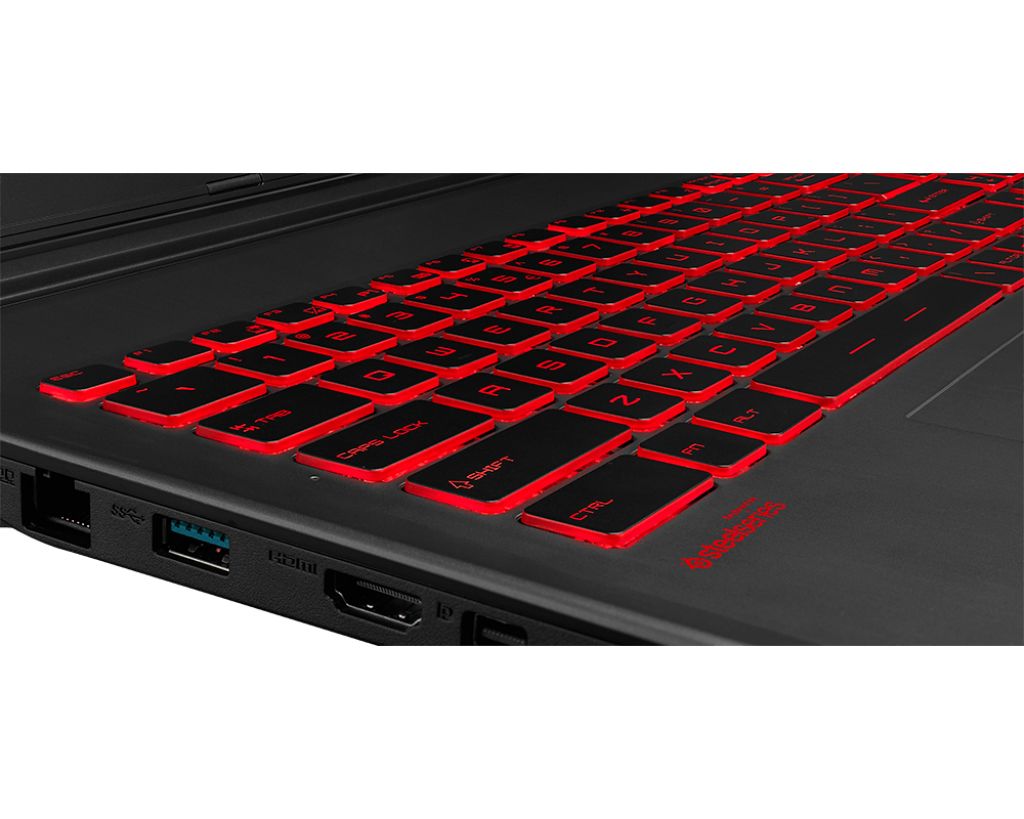
The MSI GV62 8RC-042MX gaming laptop features DDR4-SDRAM memory upgrade specifications with 2x SO-DIMM slots supporting a maximum RAM capacity of 32 GB. The memory upgrade operates at 2666 MHz frequency and utilizes SO-DIMM form factor. Compatible memory upgrades for the GV series GV62 8RC-042MX model enable users to expand system performance through standard SO-DIMM compatible modules, with specifications supporting DDR4 technology and dual-slot configuration for enhanced multitasking capabilities.
Memory Upgrade Specifications
| Specification | Value |
|---|---|
| Memory slots | 2x SO-DIMM |
| Form factor | SO-DIMM |
| Memory type | DDR4-SDRAM |
| Frequency | 2666 MHz |
| Maximum RAM | 32 GB |
| Voltage | 1.2V |
| Number of pins | 260-pin |
| Interface | PC4 |
| PC Speed Rating | PC4-2666 (PC4-21328) |
| Bandwidth | 21.3 GB/s |
| Laptop Release date | 11 December 2018 |
Additional Notes
- The MSI GV62 8RC-042MX contains 2 SO-DIMM slots operating at 2666 MHz, establishing a hard ceiling of 32 GB total capacity. Upgrading beyond this threshold requires motherboard-level replacement, rendering RAM expansion irreversible after reaching maximum density.
- DDR4-2666 memory operates at reduced bandwidth compared to contemporary DDR4-3200 or DDR4-3600 standards. Inserting higher-frequency modules will downclock to 2666 MHz, wasting the performance premium of newer memory without providing speed gains.
- SO-DIMM form factor restricts replacement options to laptop-specific modules. Standard UDIMM desktop RAM cannot physically install, and attempting installation will cause hardware damage. Sourcing compatible memory requires explicit DDR4 SO-DIMM verification before purchase.
- Both memory slots must remain populated for optimal performance. Asymmetrical configurations (16 GB + 8 GB) trigger single-channel operation on one module, degrading bandwidth by approximately 50 percent versus matched pairs in dual-channel mode.
- Factory RAM likely shipped at 2400 MHz or 2666 MHz. Removing original modules voids warranty coverage on replaced components unless the manufacturer provides explicit approval for self-service memory upgrades. Retention of original modules is required to preserve warranty eligibility on unrelated hardware failures.