MSI Gaming GV62 7RC-236MX RAM upgrade specifications

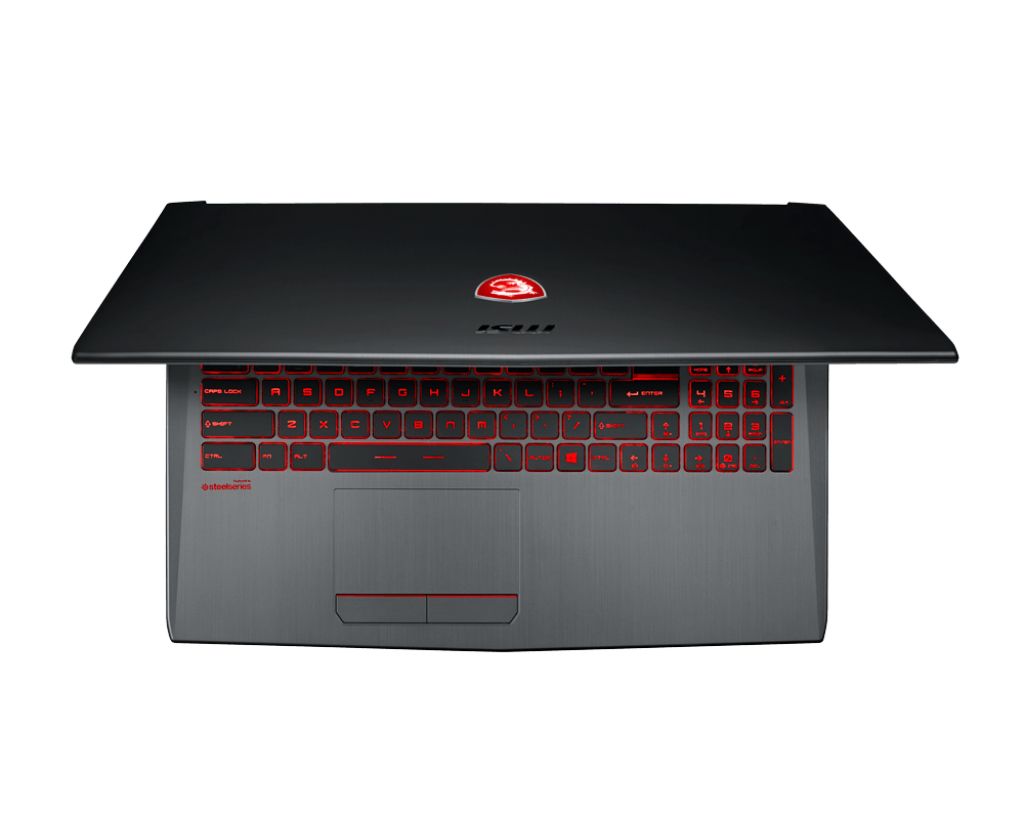

The MSI GV62 7RC-236MX Gaming series laptop supports DDR4-SDRAM memory upgrade specifications. The system features 2x SO-DIMM memory slots with maximum RAM capacity of 32 GB. Compatible memory modules operate at 2400 MHz frequency and utilize SO-DIMM form factor. Upgrade specifications enable installation of DDR4 memory modules to achieve maximum 32 GB total capacity across available slots.
Memory Upgrade Specifications
| Specification | Value |
|---|---|
| Memory slots | 2x SO-DIMM |
| Form factor | SO-DIMM |
| Memory type | DDR4-SDRAM |
| Frequency | 2400 MHz |
| Maximum RAM | 32 GB |
| Voltage | 1.2V |
| Number of pins | 260-pin |
| Interface | PC4 |
| PC Speed Rating | PC4-2400 (PC4-19200) |
| Bandwidth | 19.2 GB/s |
| Laptop Release date | 26 January 2018 |
Additional Notes
- The MSI GV62 7RC-236MX accepts only SO-DIMM modules, rendering standard desktop DIMM memory physically incompatible due to different pin configurations and module lengths.
- The 2400 MHz frequency specification represents DDR4-2400 operation, which delivers a theoretical peak bandwidth of 19.2 GB/s per channel in dual-channel configuration.
- Installing a single module will force the system into single-channel mode, halving the available memory bandwidth and potentially reducing integrated graphics performance by 20 to 40 percent.
- The 32 GB ceiling requires 2 modules of 16 GB each, as no single SO-DIMM configuration can reach this capacity limit given the 2-slot restriction.
- Modules rated above 2400 MHz will function but automatically downclock to match the supported frequency, providing no performance advantage over native 2400 MHz modules.
- DDR3 modules are mechanically prevented from installation due to notch positioning differences, protecting against incorrect memory type insertion.
- Mixing modules with different speeds will force all installed memory to operate at the frequency of the slowest module present.
- Voltage requirements default to 1.2V for standard DDR4 operation, with low-voltage 1.05V variants potentially causing stability issues if not explicitly supported by the chipset.
- Access to memory slots typically requires bottom panel removal, which may void warranty seals depending on regional service policies and manufacturer terms.
- Non-matching module capacities between slots will still enable dual-channel operation up to the capacity of the smaller module, with excess capacity reverting to single-channel mode.