MSI Katana 12UE-1202XES RAM upgrade specifications

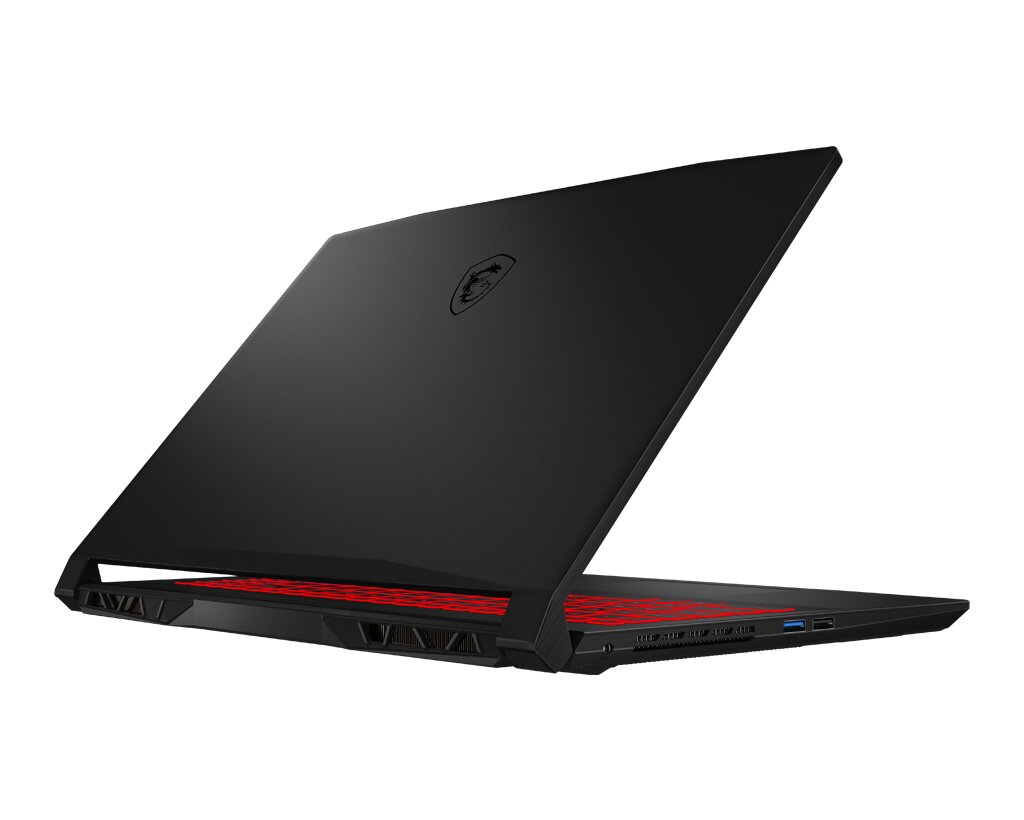
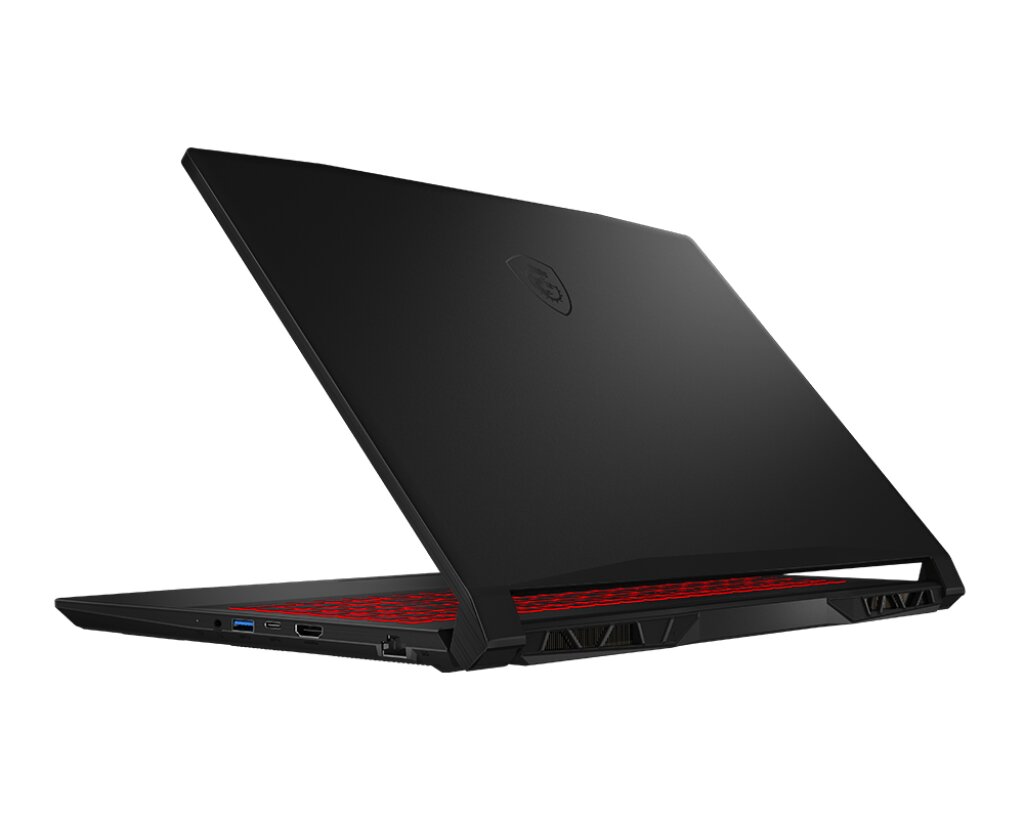
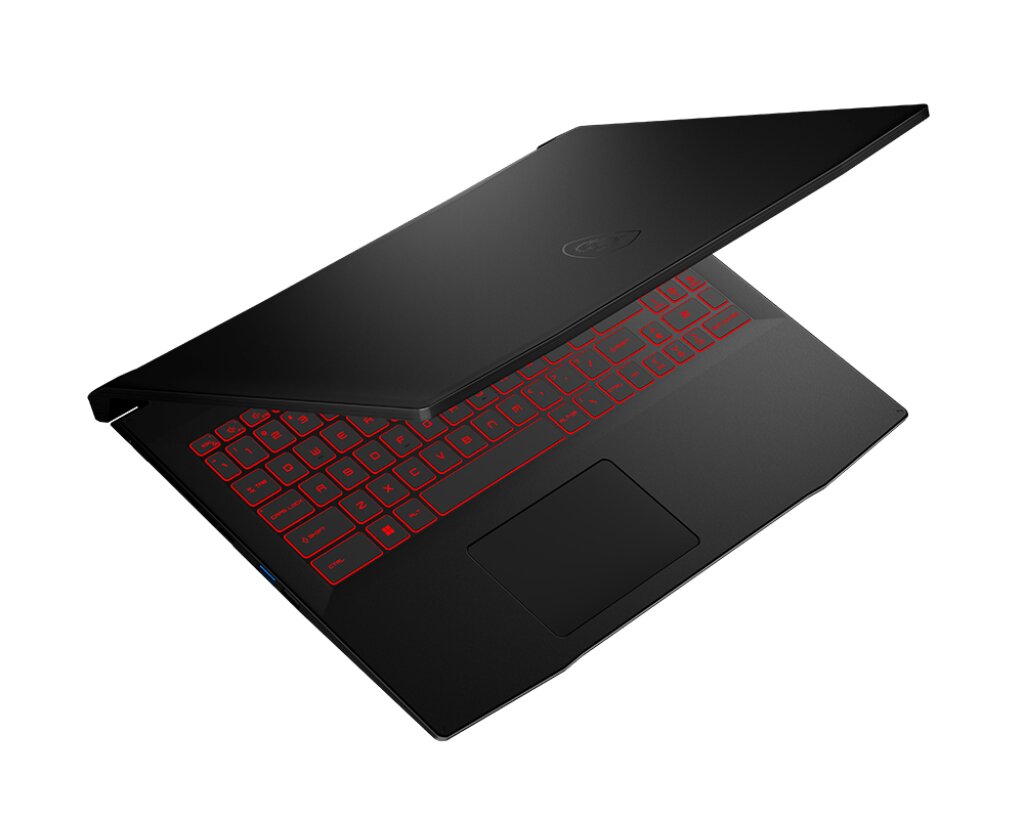
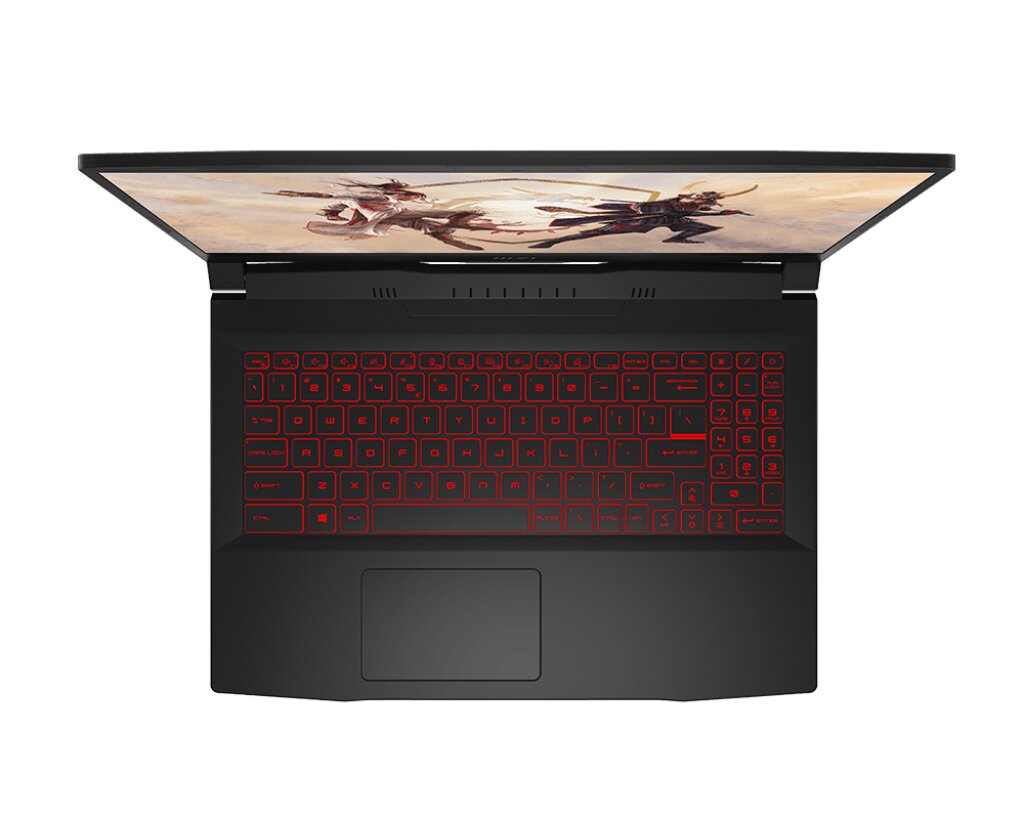
MSI Katana GF66 12UE-1202XES laptop supports DDR4-SDRAM memory upgrades. The system features two SO-DIMM slots for compatible memory modules. Maximum RAM capacity reaches 64 GB total. Memory specifications include DDR4-SDRAM operating at 3200 MHz frequency. Upgrade options allow installation of additional SO-DIMM modules to expand memory beyond factory configuration. Compatible memory modules must meet DDR4-SDRAM standards and utilize SO-DIMM form factor specifications for proper installation in the designated slots.
Memory Upgrade Specifications
| Specification | Value |
|---|---|
| Memory slots | 2x SO-DIMM |
| Form factor | SO-DIMM |
| Memory type | DDR4-SDRAM |
| Frequency | 3200 MHz |
| Maximum RAM | 64 GB |
| Voltage | 1.2V |
| Number of pins | 260-pin |
| Interface | PC4 |
| PC Speed Rating | PC4-3200 (PC4-25600) |
| Bandwidth | 25.6 GB/s |
| Laptop Release date | 19 September 2022 |
Additional Notes
- The MSI Katana 12UE-1202XES contains 2 SO-DIMM slots operating at 3200 MHz, establishing a hard ceiling of 64 GB total capacity when both slots are populated with maximum-density modules.
- DDR4-3200 memory operates at reduced bandwidth compared to newer DDR5 standards, resulting in measurable latency penalties during high-throughput operations such as video rendering, large dataset processing, and concurrent application workloads.
- SO-DIMM modules are non-upgradeable once installed due to physical form factor constraints; replacement of existing memory requires complete removal and reinsertion rather than additive expansion capability.
- Single-channel configuration becomes a performance bottleneck if asymmetric memory population occurs (one slot filled while the second remains empty), halving effective memory bandwidth until both slots receive matching modules.
- DDR4-3200 modules manufactured after 2022 face declining retail availability and increasing cost-per-gigabyte premiums, potentially inflating upgrade expenses relative to contemporary DDR5 alternatives.
- Memory frequency remains locked at 3200 MHz on this platform, eliminating overclocking as a bandwidth optimization pathway; BIOS-level timing adjustments alone cannot compensate for generational architecture limitations.
- Warranty coverage remains intact when upgrading to manufacturer-validated DDR4 SO-DIMM modules; non-standard configurations (mismatched speeds, incompatible timing profiles) may void coverage depending on MSI policy interpretation.