MSI Modern 14 B10RBSW-025ES RAM upgrade specifications
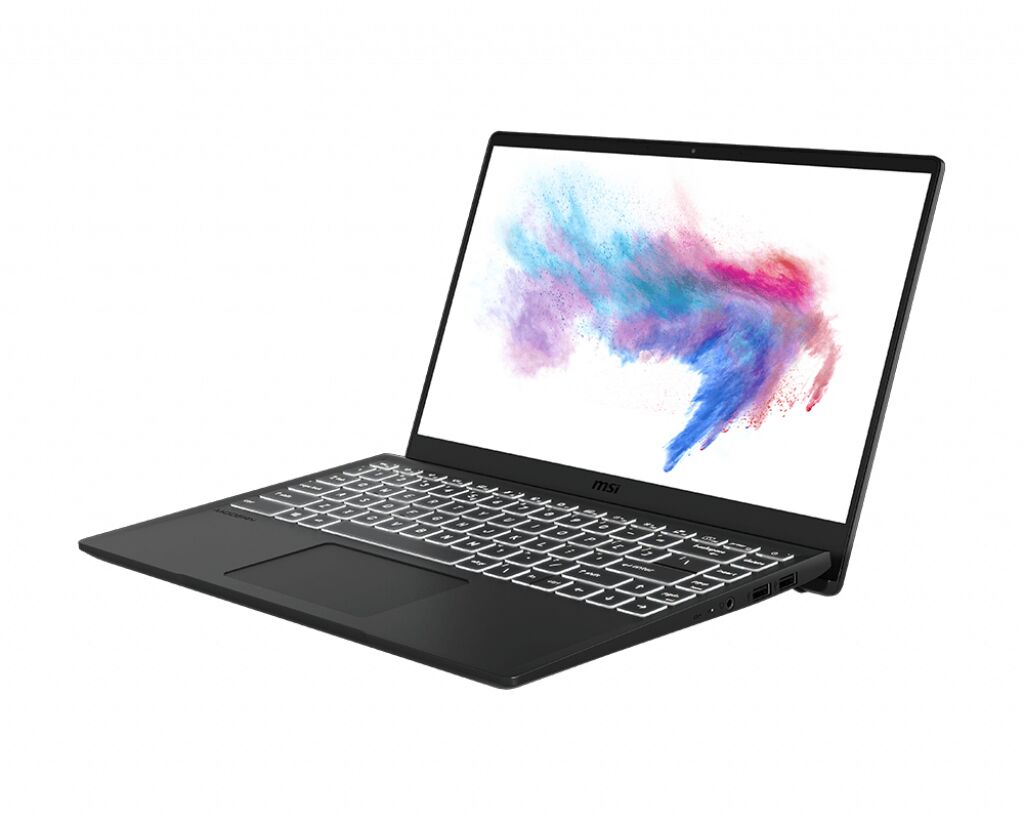
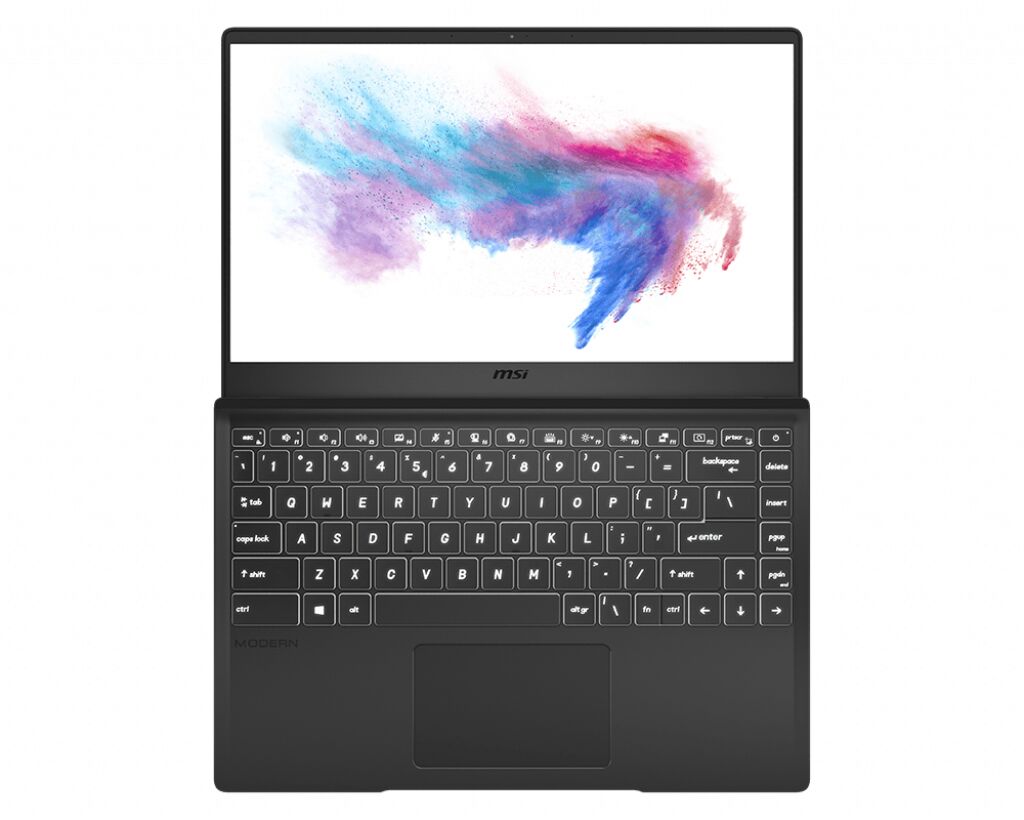
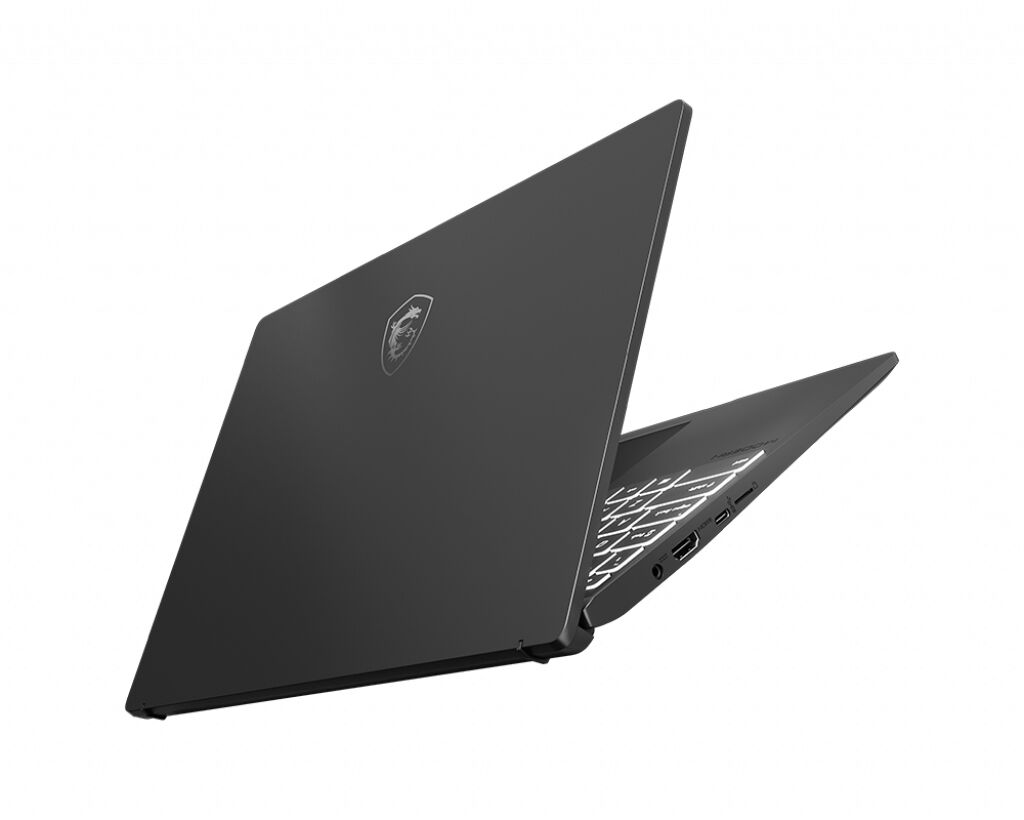
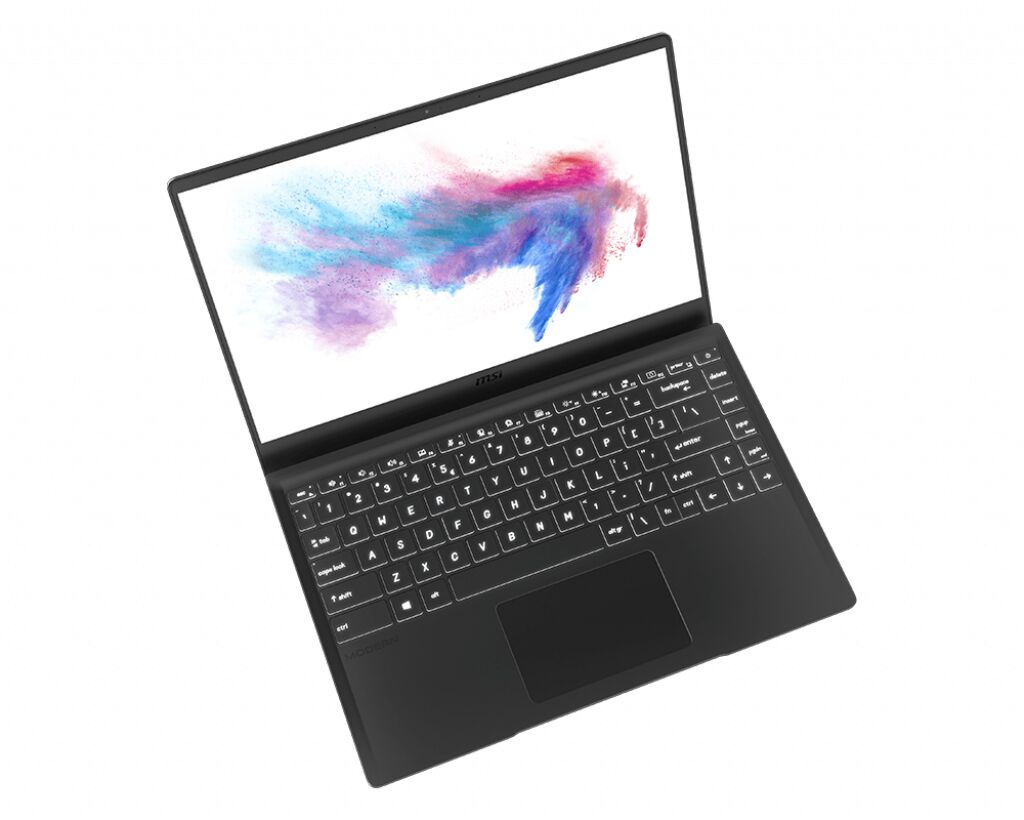
MSI Modern 14 B10RBSW-025ES laptop memory upgrade specifications include one SO-DIMM slot for DDR4-SDRAM modules operating at 2666 MHz frequency. The maximum RAM capacity supported reaches 32 GB. Compatible memory upgrades require SO-DIMM form factor DDR4 modules. Current upgrade specifications allow single-slot expansion to increase system memory performance and multitasking capabilities.
Memory Upgrade Specifications
| Specification | Value |
|---|---|
| Memory slots | 1x SO-DIMM |
| Form factor | SO-DIMM |
| Memory type | DDR4-SDRAM |
| Frequency | 2666 MHz |
| Maximum RAM | 32 GB |
| Voltage | 1.2V |
| Number of pins | 260-pin |
| Interface | PC4 |
| PC Speed Rating | PC4-2666 (PC4-21328) |
| Bandwidth | 21.3 GB/s |
| Laptop Release date | 16 June 2020 |
Additional Notes
- The presence of a single SO-DIMM slot prevents the utilization of dual-channel memory architecture, restricting the system to single-channel bandwidth speeds.
- Upgrading the memory requires the total replacement of the existing module rather than adding a second unit since no additional expansion slots exist.
- Installing a module with a frequency higher than 2666 MHz results in the hardware automatically downclocking the speed to match the integrated memory controller limitations of the MSI Modern 14 B10RBSW-025ES platform.
- The 32 GB threshold represents the maximum capacity addressable by the BIOS and the processor architecture, meaning larger modules will lead to boot failure or unrecognized capacity.
- High density 16 GB or 32 GB modules must utilize a compatible rank configuration to ensure the system recognizes the full density during the POST process.
- Accessing the internal memory slot involves removing the bottom chassis cover, which may require piercing a factory seal sticker depending on regional warranty policies regarding internal servicing.
- Thermal performance may be affected when using high-capacity modules in this compact chassis due to the increased heat dissipation from higher density memory chips during sustained workloads.