MSI Modern 14 B11M-058XFR RAM upgrade specifications

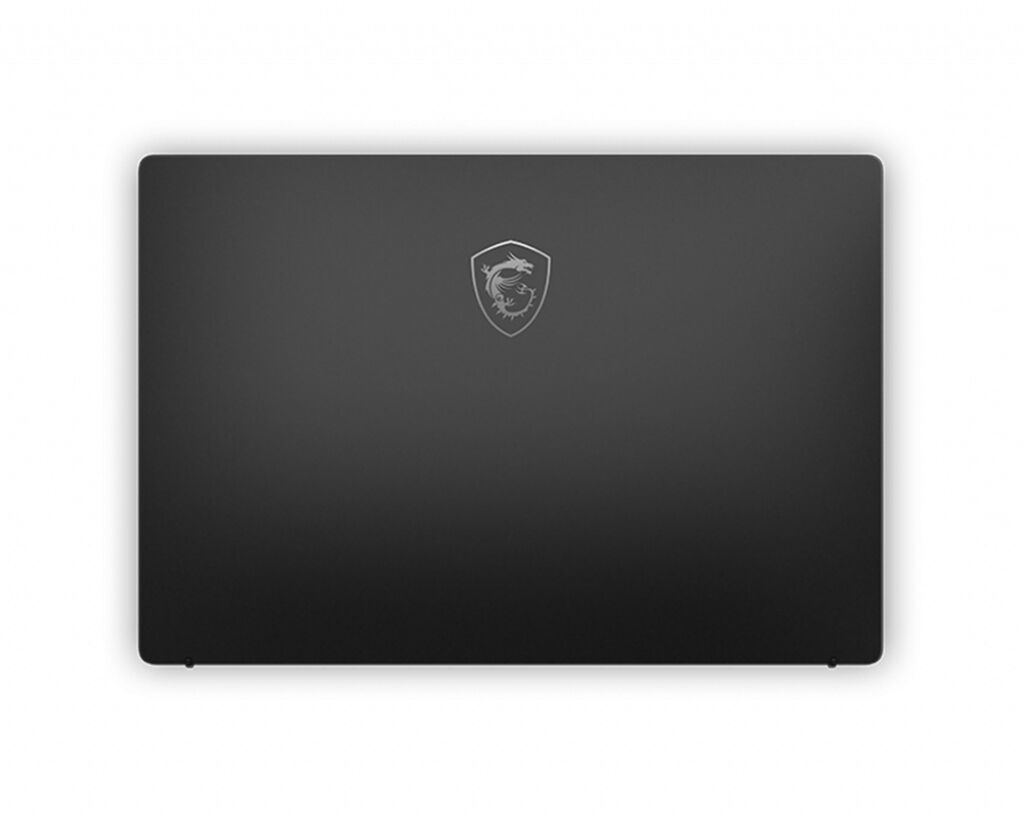
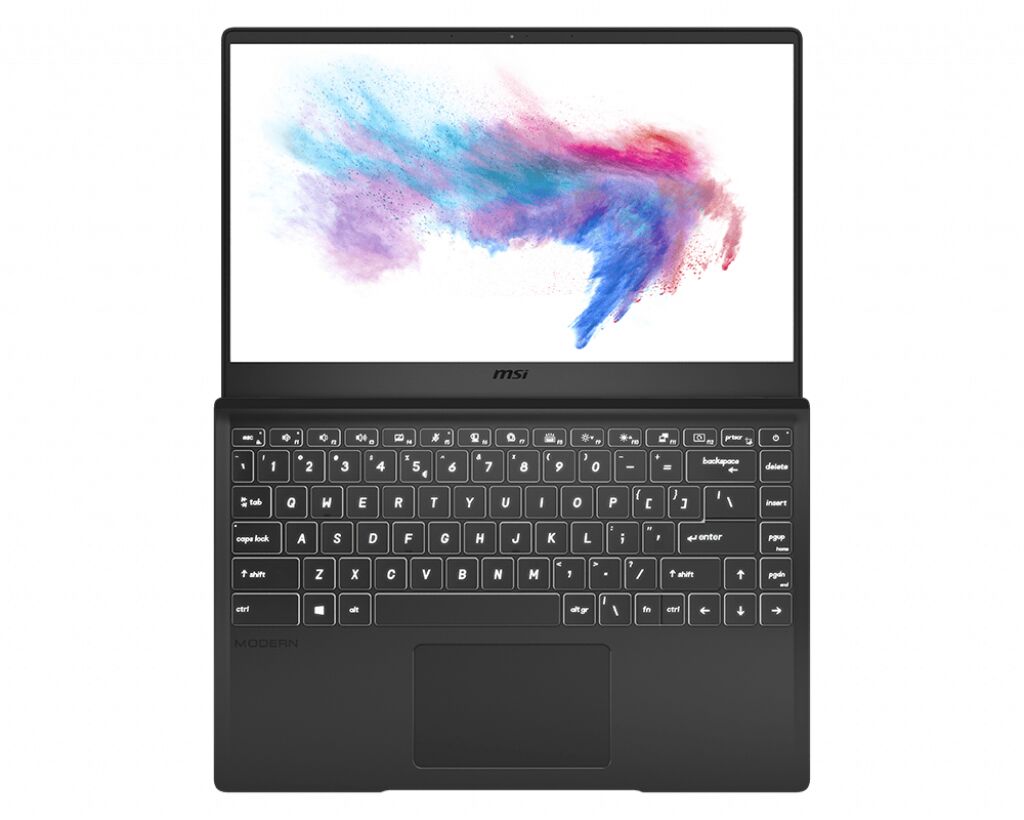

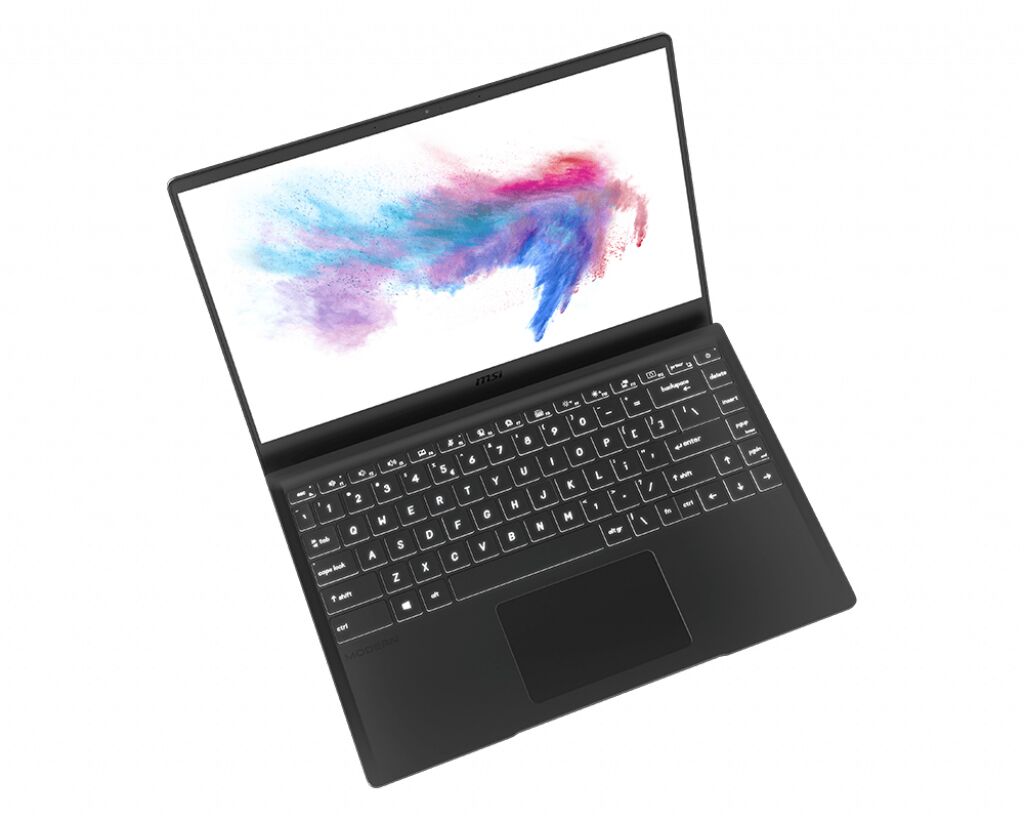
MSI Modern 14 B11M-058XFR laptop RAM upgrade specifications indicate compatibility with DDR4-SDRAM memory modules. The system features 1x SO-DIMM slot for memory expansion. Maximum supported RAM capacity reaches 32 GB. Memory operates at 2666 MHz frequency with SO-DIMM form factor. Compatible upgrade modules must meet DDR4-SDRAM specifications and SO-DIMM physical requirements for proper installation in available slot.
Memory Upgrade Specifications
| Specification | Value |
|---|---|
| Memory slots | 1x SO-DIMM |
| Form factor | SO-DIMM |
| Memory type | DDR4-SDRAM |
| Frequency | 2666 MHz |
| Maximum RAM | 32 GB |
| Voltage | 1.2V |
| Number of pins | 260-pin |
| Interface | PC4 |
| PC Speed Rating | PC4-2666 (PC4-21328) |
| Bandwidth | 21.3 GB/s |
| Laptop Release date | 28 September 2020 |
Additional Notes
- The MSI Modern 14 B11M-058XFR features a single-channel memory architecture that prevents dual-channel operation, resulting in reduced memory bandwidth compared to systems with populated paired slots.
- Single SO-DIMM configuration limits memory throughput to approximately 21.3 GB/s theoretical maximum at 2666 MHz, compared to 42.6 GB/s achievable in dual-channel configurations.
- Graphics performance suffers more significantly than CPU performance under single-channel operation, particularly in integrated GPU workloads that rely heavily on system memory bandwidth.
- The solitary slot eliminates incremental upgrade flexibility, requiring complete module replacement rather than additive expansion when increasing capacity.
- DDR4-2666 represents the JEDEC standard specification, though higher-frequency modules will downclock to 2666 MHz if installed due to chipset and processor memory controller constraints.
- Attempting to install modules faster than 2666 MHz provides no performance benefit and may introduce unnecessary cost without corresponding gains.
- The 32 GB maximum capacity requires a single 32 GB module for full utilization, as no second slot exists for pairing smaller modules.
- Non-ECC unbuffered SO-DIMM modules are required; registered or ECC memory types cause boot failure or prevent system POST.
- Warranty preservation requires user-accessible RAM compartment installation rather than disassembly beyond manufacturer-designated upgrade panels.
- Mixing module specifications from the factory-installed memory creates potential instability, making complete replacement the safer upgrade path.
- Operating voltage must remain at standard 1.2V for DDR4; low-voltage variants designed for different specifications risk compatibility issues.
- CAS latency ratings affect real-world responsiveness, with CL19 representing typical timing for 2666 MHz modules in consumer applications.