MSI Modern 14 B11M-087 RAM upgrade specifications
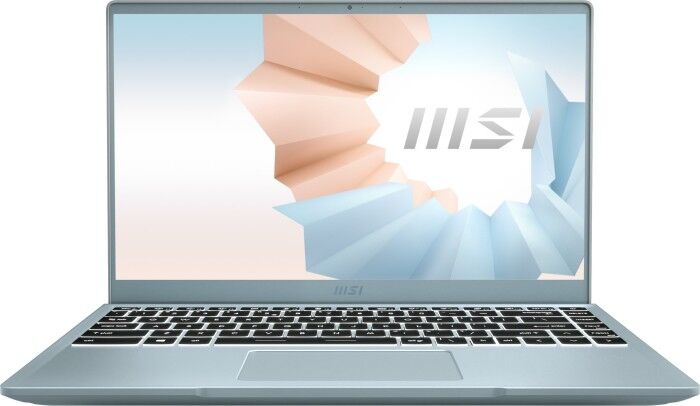
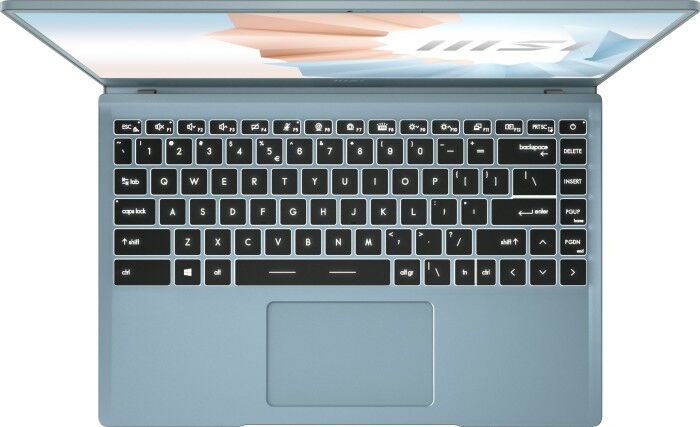
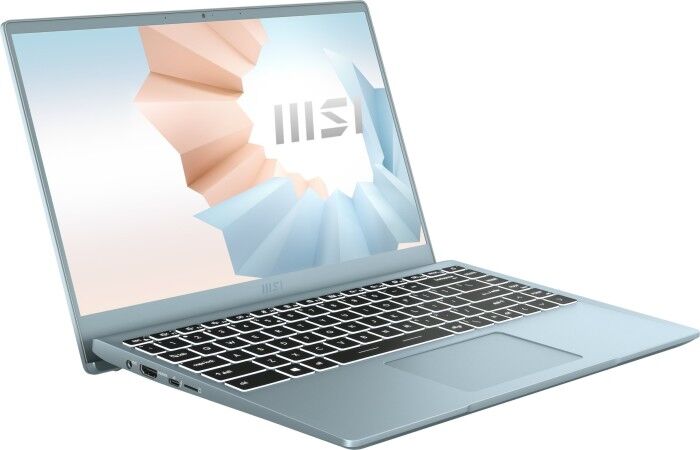
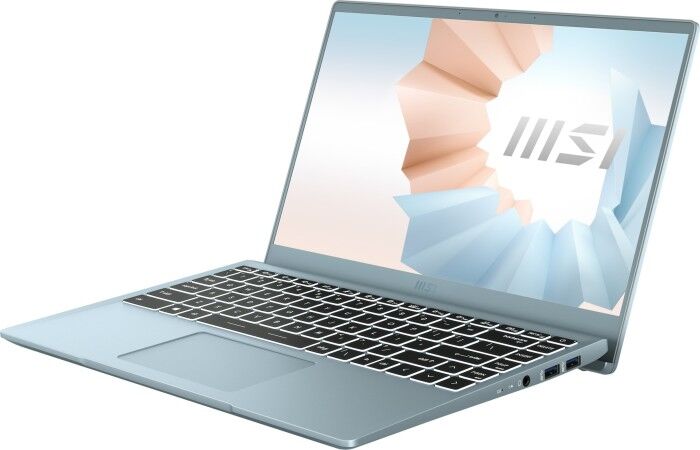

The MSI Modern 14 B11M-087 laptop features one SO-DIMM slot for memory upgrade compatibility. The system supports DDR4-SDRAM modules operating at 3200 MHz frequency. Maximum RAM capacity reaches 32 GB through compatible SO-DIMM upgrades. Specifications indicate expandable memory slots configured for DDR4 technology, enabling users to upgrade existing memory modules to enhance system performance. The laptop's memory specifications support standard SO-DIMM form factor modules within the DDR4 standard parameters.
Memory Upgrade Specifications
| Specification | Value |
|---|---|
| Memory slots | 1x SO-DIMM |
| Form factor | SO-DIMM |
| Memory type | DDR4-SDRAM |
| Frequency | 3200 MHz |
| Maximum RAM | 32 GB |
| Voltage | 1.2V |
| Number of pins | 260-pin |
| Interface | PC4 |
| PC Speed Rating | PC4-3200 (PC4-25600) |
| Bandwidth | 25.6 GB/s |
| Laptop Release date | 13 October 2020 |
Additional Notes
- The MSI Modern 14 B11M-087 contains a single memory slot, meaning all 32 GB capacity must be achieved through a single module rather than distributed across multiple DIMMs. This configuration eliminates dual-channel memory architecture benefits and reduces bandwidth efficiency compared to systems with 2 slots.
- Upgrading to maximum capacity requires replacing the existing module entirely, as there is no secondary slot for additive expansion. The original RAM must be removed and either discarded or repurposed elsewhere.
- DDR4-3200 MHz compatibility constrains upgrade options to modules rated at or below 3200 MHz. Faster modules (3600 MHz or higher) will operate at reduced speeds, while slower modules will cause the system to downclock the entire memory subsystem to match the slowest module present.
- SO-DIMM form factor is exclusive to laptops and ultra-compact systems. Desktop DDR4 modules and server-grade memory are physically incompatible and cannot be adapted without specialized converters that void warranty coverage.
- Single-slot memory architecture creates a single point of failure for RAM-related issues. Component failure results in complete system memory loss with no redundancy pathway, unlike multi-slot configurations.
- The 32 GB ceiling represents a hard limitation tied to the 11th-generation Intel chipset architecture and BIOS design. Capacity expansion beyond this threshold is technically impossible regardless of module availability or cost.