MSI Modern 14 B11M-059XFR RAM upgrade specifications
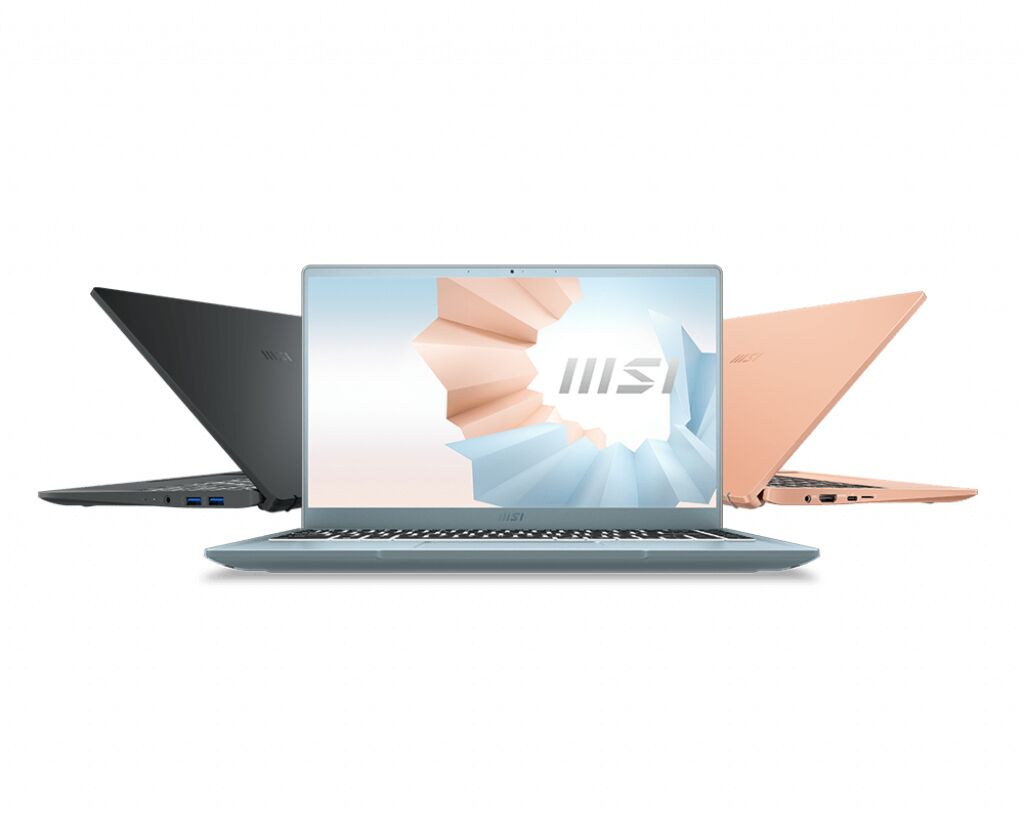
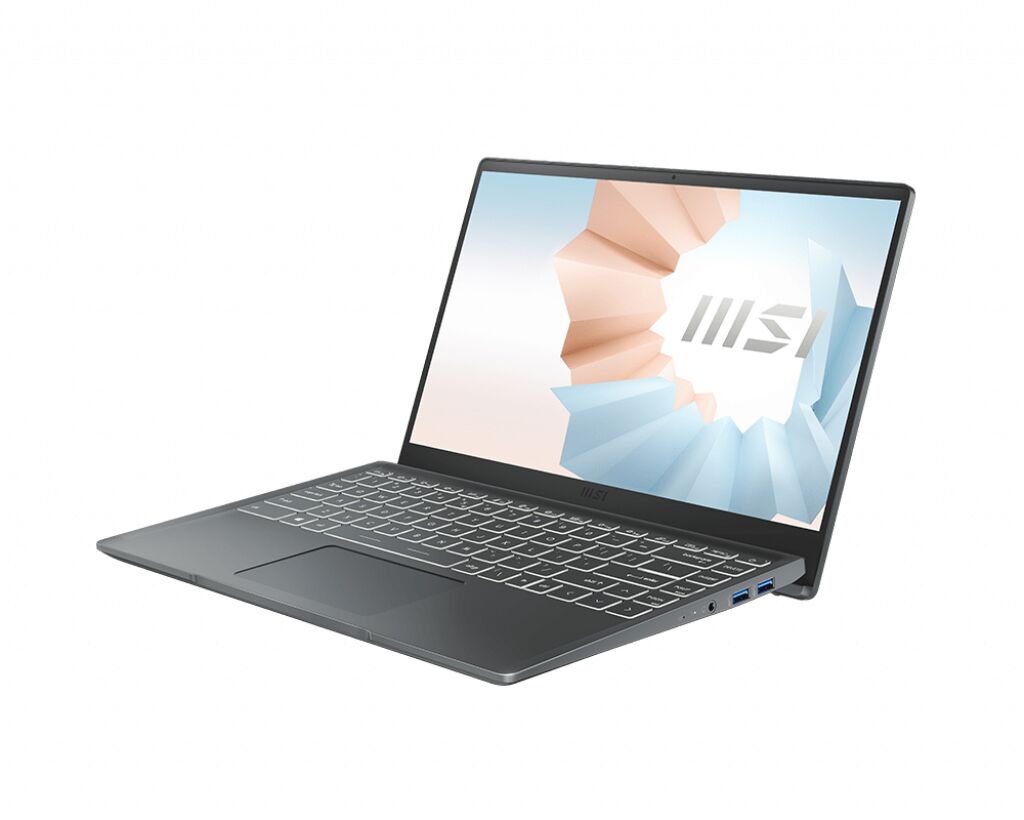
MSI Modern 14 B11M-059XFR laptop features one SO-DIMM memory slot supporting DDR4-SDRAM upgrades. Maximum RAM capacity reaches 32 GB with DDR4-2666 MHz specifications. Compatible memory upgrades utilize SO-DIMM form factor modules. Existing memory configurations can be replaced or expanded to achieve maximum capacity specifications through single-slot upgrade options available for this MSI 14 series model.
Memory Upgrade Specifications
| Specification | Value |
|---|---|
| Memory slots | 1x SO-DIMM |
| Form factor | SO-DIMM |
| Memory type | DDR4-SDRAM |
| Frequency | 2666 MHz |
| Maximum RAM | 32 GB |
| Voltage | 1.2V |
| Number of pins | 260-pin |
| Interface | PC4 |
| PC Speed Rating | PC4-2666 (PC4-21328) |
| Bandwidth | 21.3 GB/s |
| Laptop Release date | 28 September 2020 |
Additional Notes
- The MSI Modern 14 B11M-059XFR contains a single memory slot, meaning maximum capacity is achieved through a single module rather than dual-channel configuration. This eliminates bandwidth aggregation benefits and results in performance operating at single-channel memory throughput.
- DDR4-SDRAM at 2666 MHz operates below contemporary standard frequencies (3200 MHz), which constrains data transfer rates to approximately 21.3 GB/s. Bandwidth-intensive applications experience reduced headroom compared to systems with higher-frequency memory support.
- Upgrade to 32 GB requires sourcing a single SO-DIMM module, as the solitary slot cannot accommodate multiple smaller-capacity modules. This creates a binary choice between current capacity and maximum capacity rather than incremental expansion options.
- SO-DIMM form factor is standard for portable systems but incompatible with desktop DDR4 UDIMM modules. Purchasers must verify SO-DIMM specifications during replacement to prevent physical incompatibility and system instability.
- The single-slot architecture eliminates redundancy. Failure of the installed module results in complete memory failure with no fallback capacity, unlike dual-slot designs where one module can sustain basic operation.
- DDR4-2666 support indicates 11th generation Intel processor integration (Tiger Lake era). This limits processor upgrade potential to the same generation, as earlier generations lack DDR4 support and later generations require DDR5.