MSI Modern 14 B11MOU-1024 RAM upgrade specifications
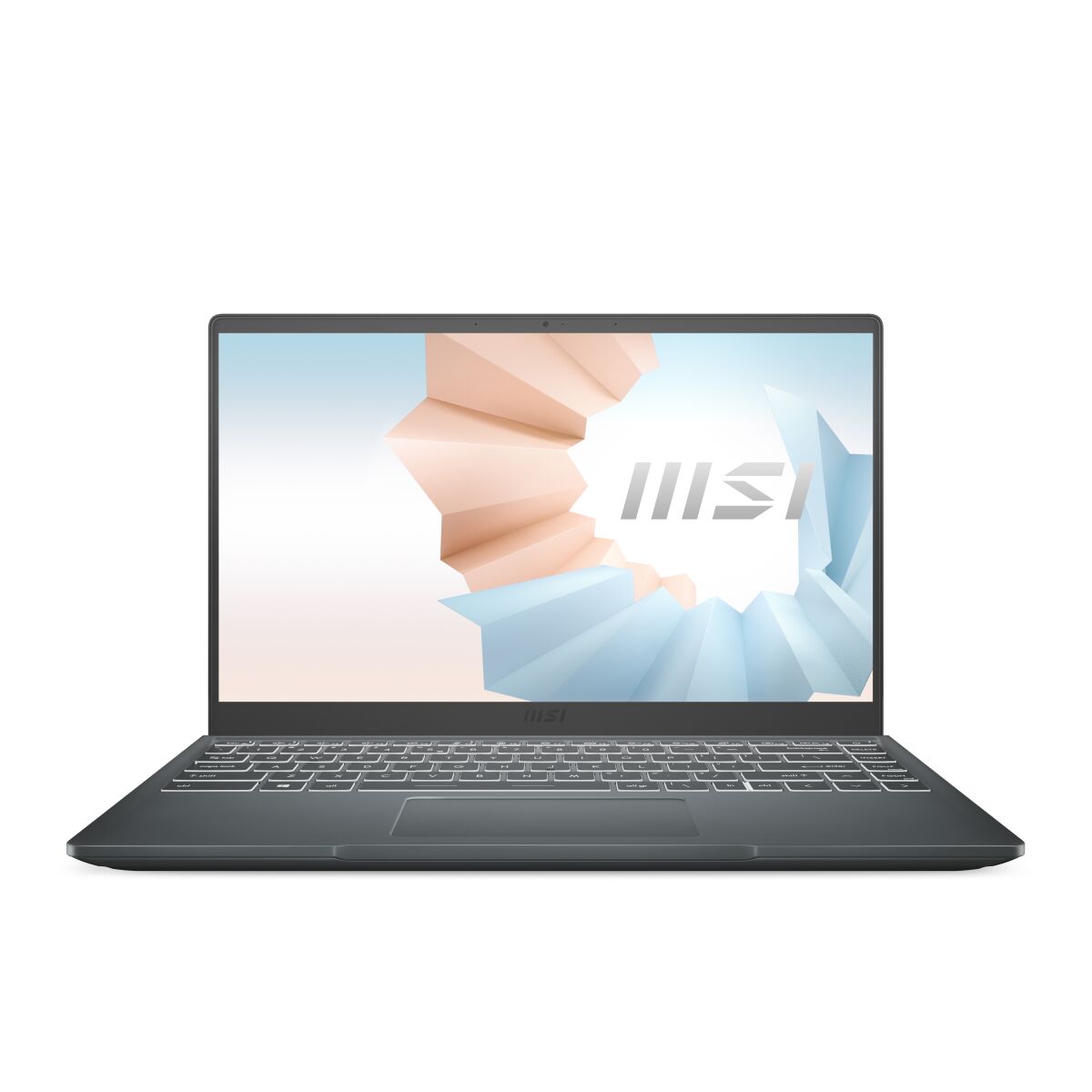
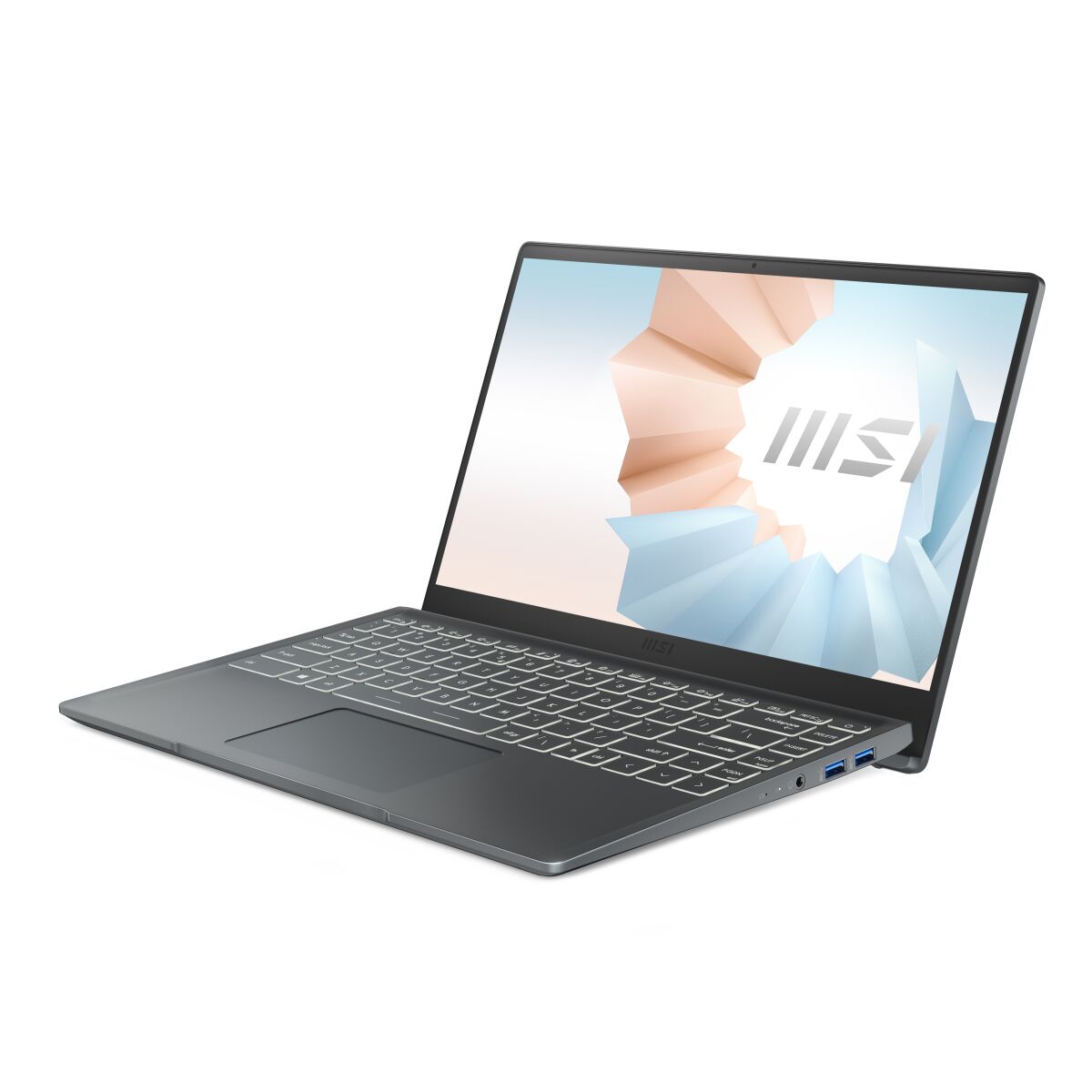
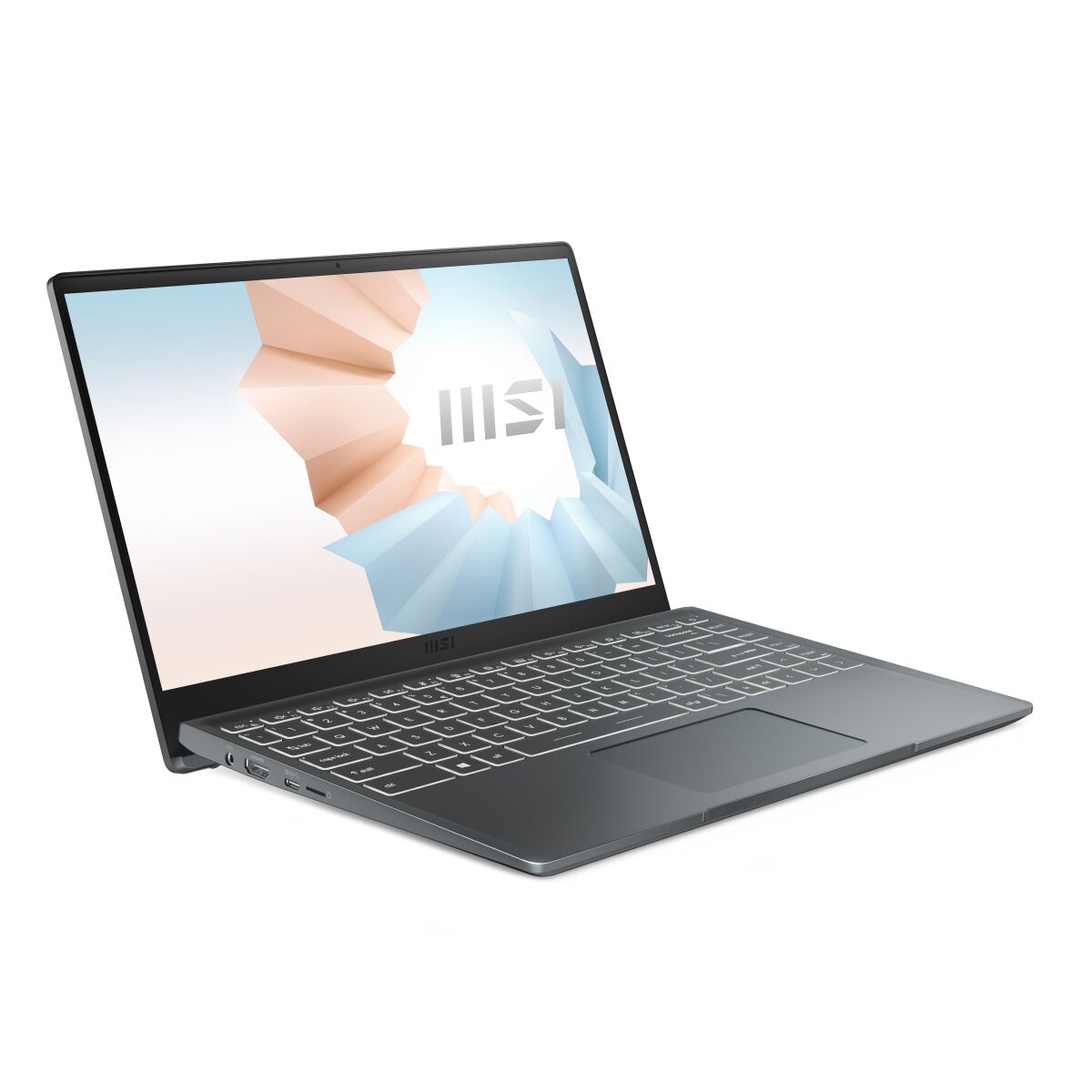
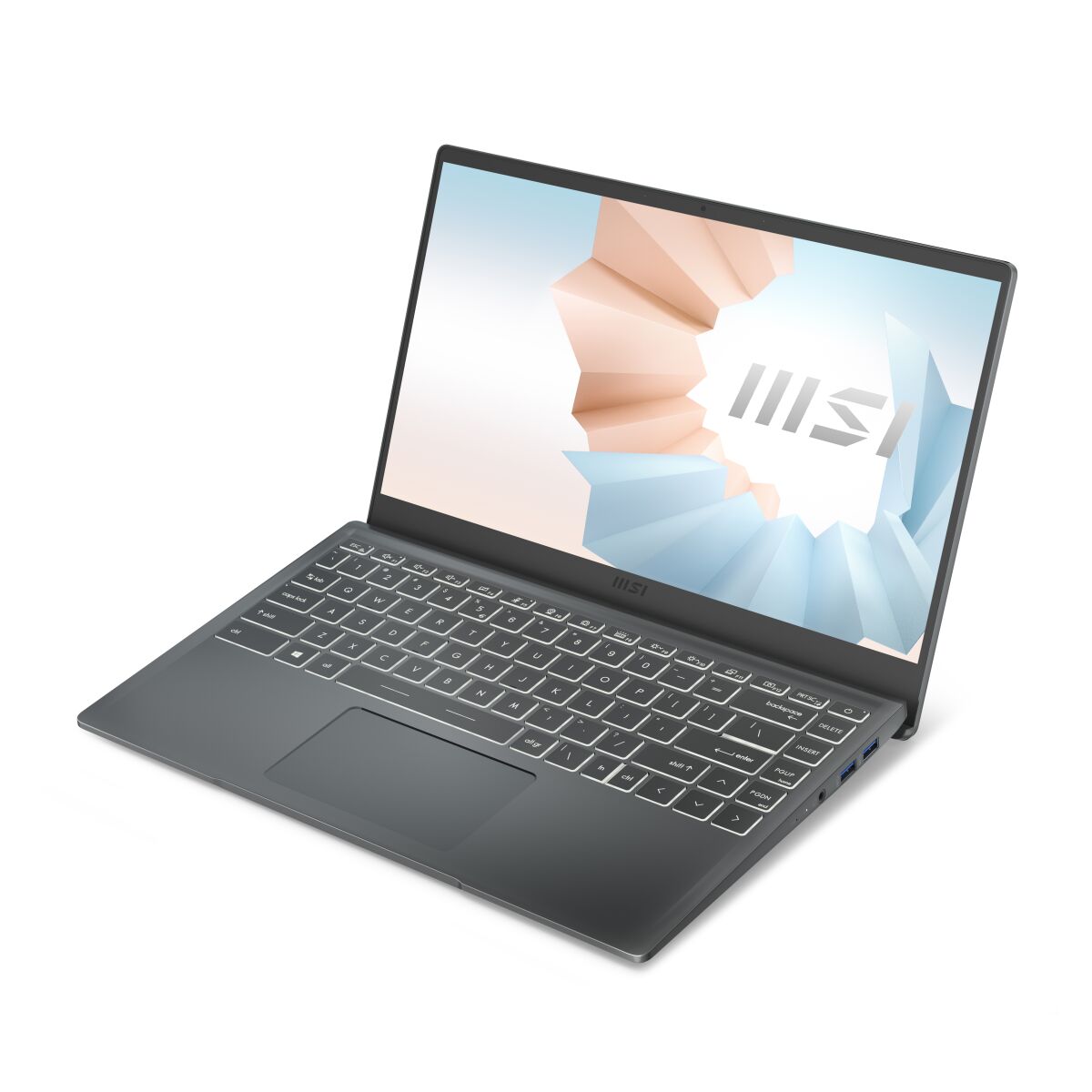
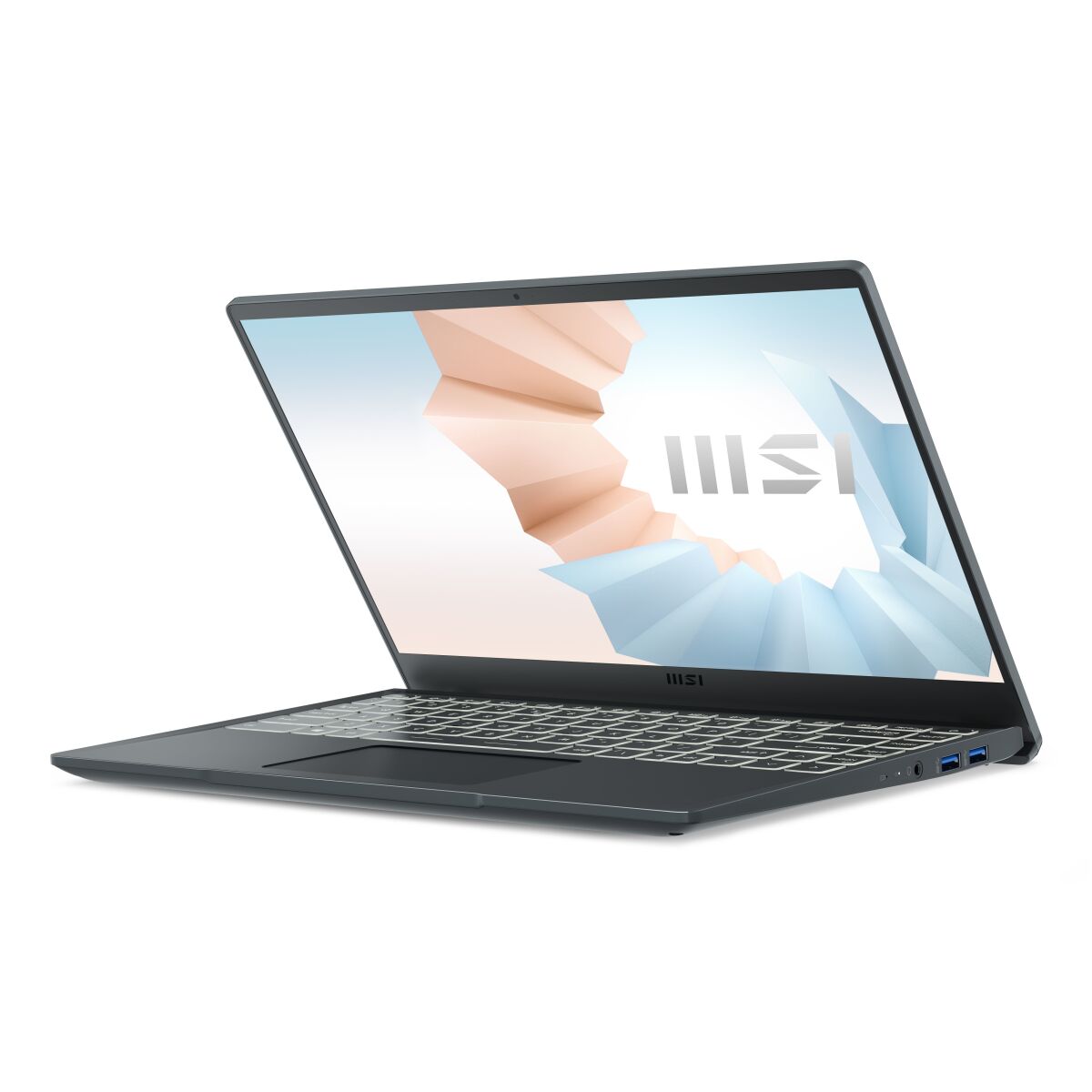
The MSI Modern 14 B11MOU-1024 laptop features DDR4-SDRAM memory with 2x SO-DIMM slots for RAM upgrade capability. Maximum memory capacity reaches 64 GB, supporting DDR4 modules operating at 3200 MHz frequency. Compatible RAM upgrades utilize SO-DIMM form factor specifications, enabling users to expand the laptop's memory beyond factory specifications by replacing or adding compatible DDR4-SDRAM modules in available slots.
Memory Upgrade Specifications
| Specification | Value |
|---|---|
| Memory slots | 2x SO-DIMM |
| Form factor | SO-DIMM |
| Memory type | DDR4-SDRAM |
| Frequency | 3200 MHz |
| Maximum RAM | 64 GB |
| Voltage | 1.2V |
| Number of pins | 260-pin |
| Interface | PC4 |
| PC Speed Rating | PC4-3200 (PC4-25600) |
| Bandwidth | 25.6 GB/s |
| Laptop Release date | 14 January 2022 |
Additional Notes
- The MSI Modern 14 B11MOU-1024 contains 2 SO-DIMM slots, indicating both slots must be populated simultaneously to achieve rated performance; single-slot operation results in disabled dual-channel mode and approximately 50% bandwidth reduction for memory-intensive workloads.
- DDR4-3200 MHz represents the maximum supported frequency; installation of faster DDR4 modules (3600 MHz or higher) will operate at reduced 3200 MHz speeds due to controller limitations, negating any performance premium from higher-speed stock.
- The 64 GB capacity ceiling assumes 32 GB SO-DIMM modules, which remain at the manufacturing edge; widespread commercial availability and warranty acceptance of such modules is not yet universal across all retailers and support channels.
- SO-DIMM form factor requires complete system shutdown and removal of bottom service panels; no hot-swap capability exists, and accidental contact with internal components during installation voids most manufacturer coverage.
- DDR4 supply chain obsolescence occurs approximately 18-24 months after DDR5 mainstream adoption; sourcing compatible replacement modules at competitive pricing will become increasingly constrained beyond 2025.
- Mixing disparate DDR4 module brands, capacities, or latency profiles within the 2 slots may trigger BIOS-level incompatibility flags or force both modules to operate at the lowest common specifications rather than rated maximums.