MSI Modern 14 B11MOU-1040MX RAM upgrade specifications

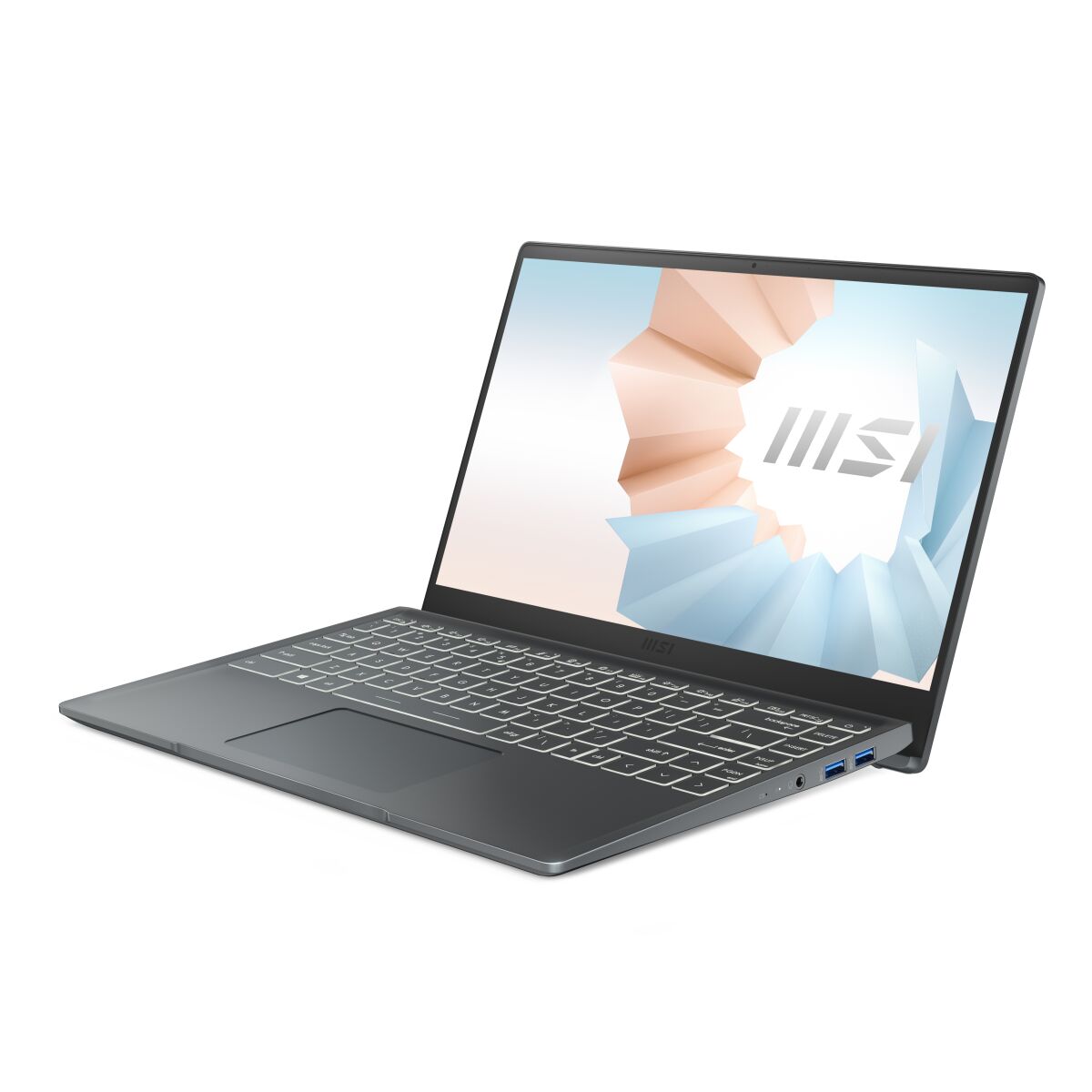
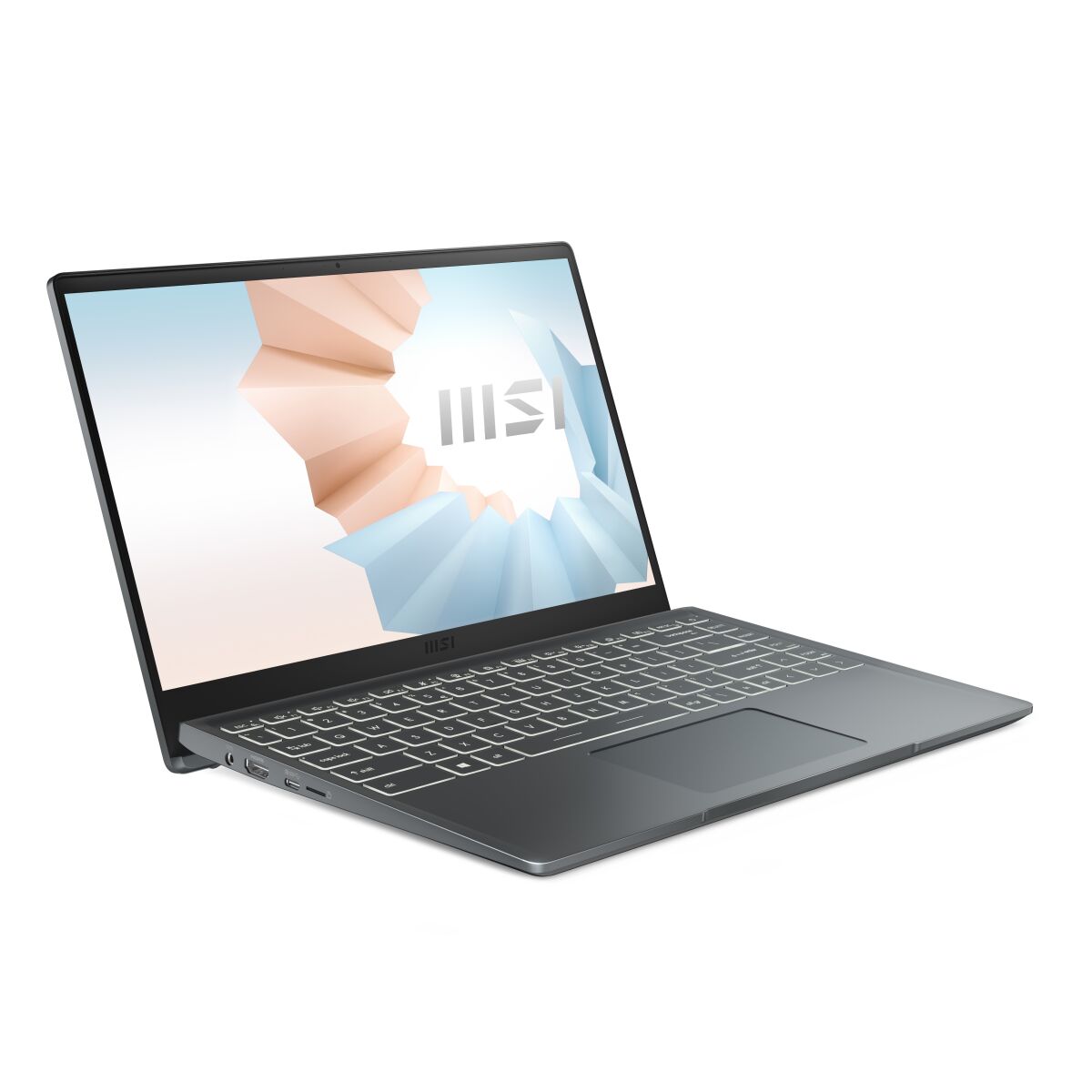
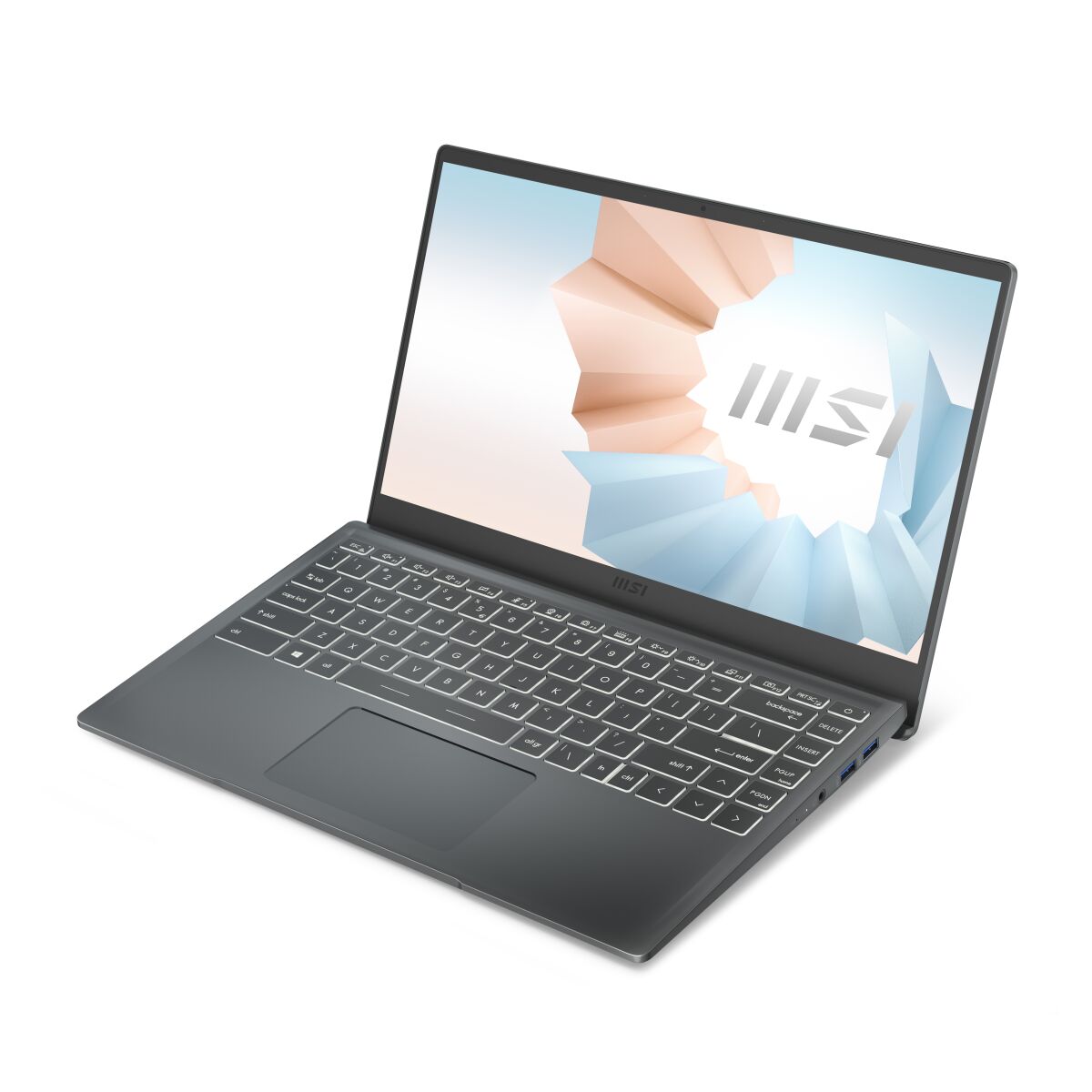
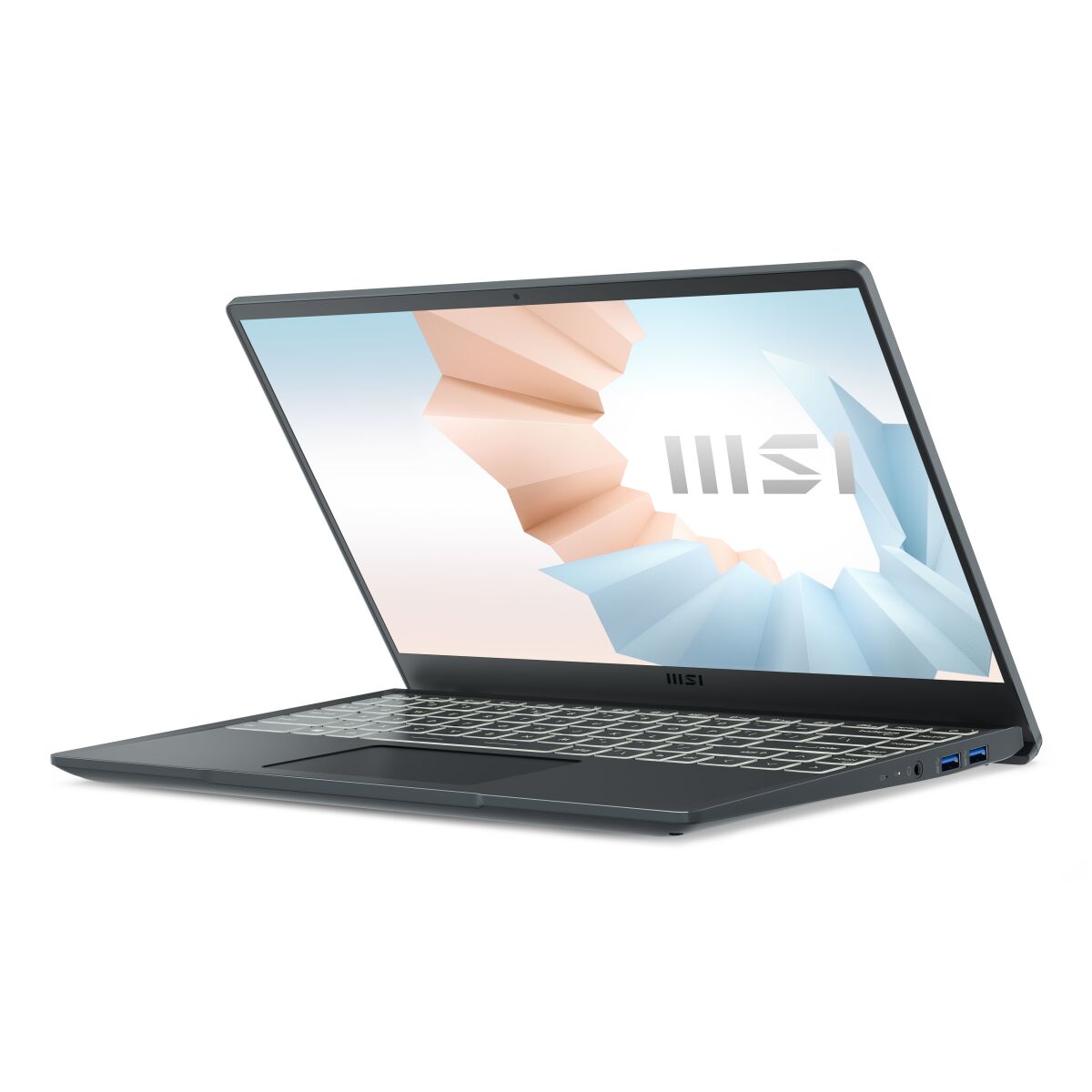
The MSI Modern 14 B11MOU-1040MX laptop features DDR4-SDRAM memory with two SO-DIMM slots supporting maximum upgrade capacity of 64 GB. Compatible memory modules operate at 3200 MHz frequency. The device specifications indicate support for SO-DIMM form factor RAM upgrades. Current maximum RAM capacity allows for significant memory expansion from factory configuration. Upgrade options include single or dual module installations to reach the 64 GB specification limit.
Memory Upgrade Specifications
| Specification | Value |
|---|---|
| Memory slots | 2x SO-DIMM |
| Form factor | SO-DIMM |
| Memory type | DDR4-SDRAM |
| Frequency | 3200 MHz |
| Maximum RAM | 64 GB |
| Voltage | 1.2V |
| Number of pins | 260-pin |
| Interface | PC4 |
| PC Speed Rating | PC4-3200 (PC4-25600) |
| Bandwidth | 25.6 GB/s |
| Laptop Release date | 04 September 2022 |
Additional Notes
- The MSI Modern 14 B11MOU-1040MX supports dual-channel memory architecture through its 2 SO-DIMM slots, enabling doubled theoretical bandwidth compared to single-channel configurations when both slots contain matched modules.
- DDR4-3200 represents the maximum supported frequency for this platform, meaning modules rated at higher speeds will automatically downclock to 3200 MHz through SPD profile selection.
- The 64 GB maximum capacity permits 2x32 GB module configurations, though such high-density SO-DIMMs typically carry price premiums over more common 8 GB or 16 GB densities.
- SO-DIMM physical dimensions measure 67.6 mm in length versus 133.35 mm for standard DIMMs, making desktop memory modules physically incompatible despite identical DDR4 electrical specifications.
- Voltage requirements default to 1.2V for standard DDR4 modules, while low-voltage variants operating at 1.05V may exist but offer negligible battery life improvements in typical usage scenarios.
- Memory installation requires bottom panel removal to access the SO-DIMM slots, with potential warranty implications if manufacturer seals are broken during the upgrade process.
- CAS latency values at 3200 MHz typically range from CL16 to CL22, where lower latencies reduce access times but create minimal real-world performance differences in most productivity workloads.
- Single-rank versus dual-rank module topology affects memory controller efficiency, with dual-rank configurations sometimes delivering marginal performance gains in bandwidth-sensitive applications at identical frequencies.
- Mixed capacity configurations remain functional but force the memory controller to operate in asymmetric mode, potentially reducing access efficiency compared to matched module pairs.
- Intel 11th generation platform compatibility restricts memory overclocking through XMP profiles, as mobile chipsets typically lock frequency adjustments beyond JEDEC standard specifications.