MSI Prestige P65 9SE-443AU Creator RAM upgrade specifications

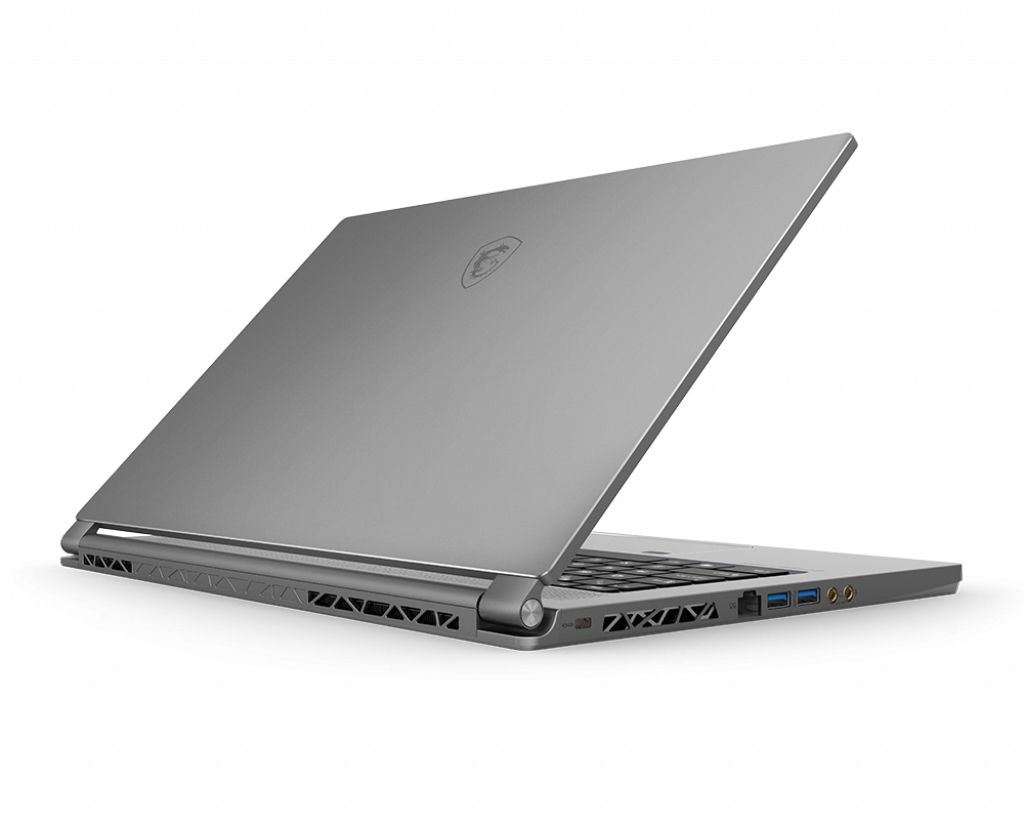
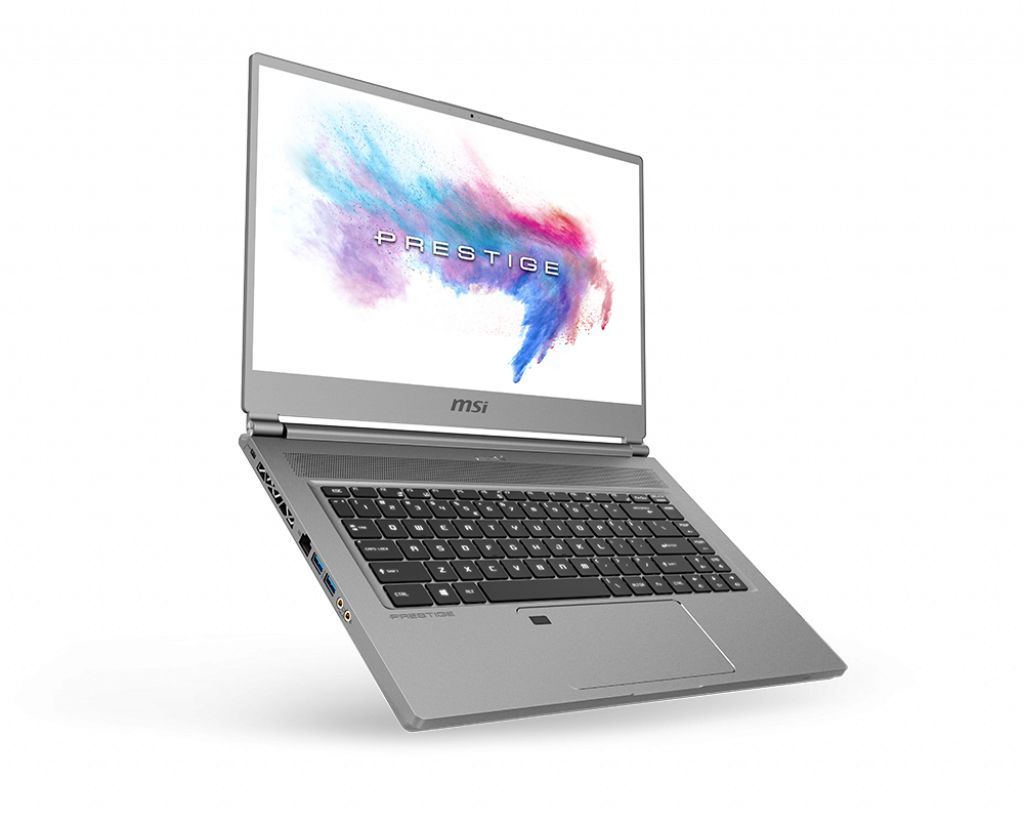


The MSI Prestige P Series P65 9SE-443AU Creator laptop features DDR4-SDRAM memory upgrade specifications with dual SO-DIMM slots supporting maximum RAM capacity of 64 GB. Compatible memory operates at 2666 MHz frequency. Current and upgraded configurations require SO-DIMM form factor modules. Specifications indicate maximum memory upgrade potential of 32 GB per slot for complete system memory expansion.
Memory Upgrade Specifications
| Specification | Value |
|---|---|
| Memory slots | 2x SO-DIMM |
| Form factor | SO-DIMM |
| Memory type | DDR4-SDRAM |
| Frequency | 2666 MHz |
| Maximum RAM | 64 GB |
| Voltage | 1.2V |
| Number of pins | 260-pin |
| Interface | PC4 |
| PC Speed Rating | PC4-2666 (PC4-21328) |
| Bandwidth | 21.3 GB/s |
| Laptop Release date | 17 September 2019 |
Additional Notes
- The MSI Prestige P65 9SE-443AU Creator accepts only 260-pin SO-DIMM modules, which excludes standard desktop DIMM memory regardless of generation or speed rating.
- Both memory channels must operate at identical frequencies, meaning mixed-speed configurations will default to the slower module's clock rate.
- The 64 GB ceiling requires 2 modules of 32 GB each, as single-module configurations leave half the dual-channel bandwidth unused.
- DDR4-2666 represents the JEDEC standard speed, while higher-rated modules will downclock to 2666 MHz unless manual timing adjustments are applied through BIOS.
- Memory voltage specifications should remain at 1.2V standard for DDR4-2666, as non-standard voltages may trigger thermal throttling in the confined chassis design.
- The dual-channel architecture delivers 42.7 GB/s theoretical bandwidth at 2666 MHz, compared to 21.3 GB/s when operating in single-channel mode with one populated slot.
- Installation requires access to the bottom panel, where warranty seals may be present depending on regional service policies and original purchase terms.
- ECC memory modules are incompatible with consumer-grade mobile chipsets, limiting options to non-ECC unbuffered SO-DIMM varieties.
- CAS latency variations between manufacturers affect real-world responsiveness, with CL19 modules providing baseline performance for this frequency class.
- Thermal considerations favor single-rank modules over dual-rank configurations in sustained workloads, as rank density affects idle power consumption and heat generation.