MSI Prestige P65 9SG-1291NL Creator RAM upgrade specifications

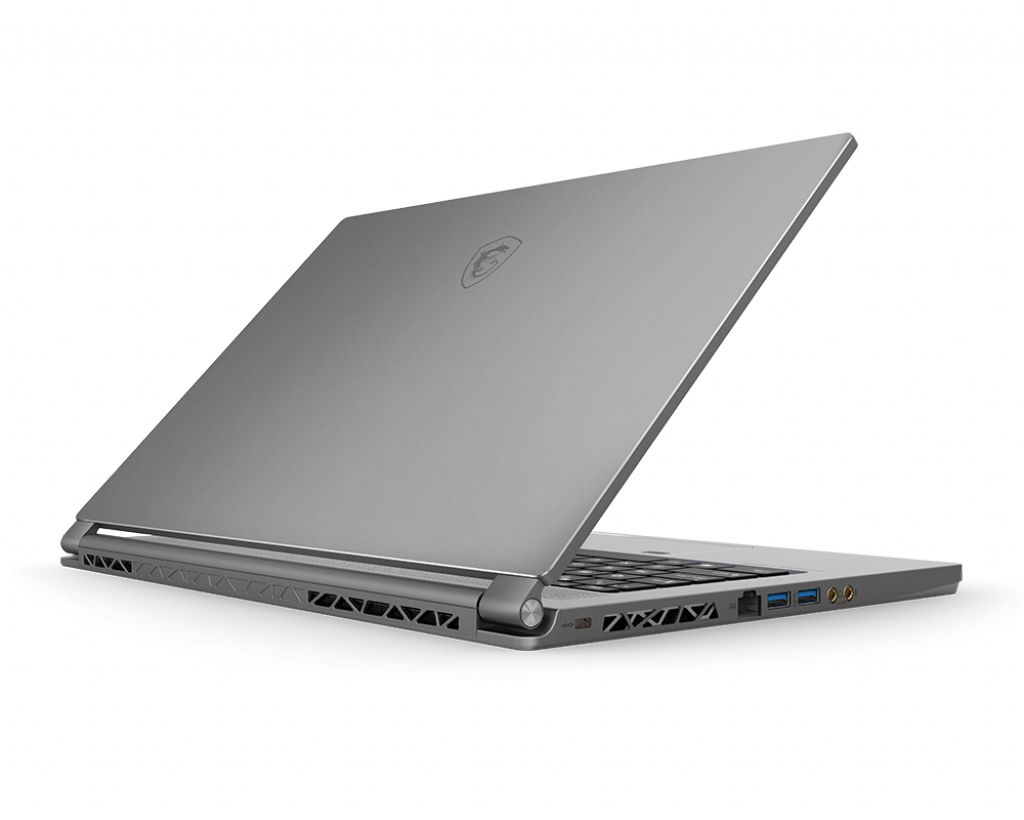
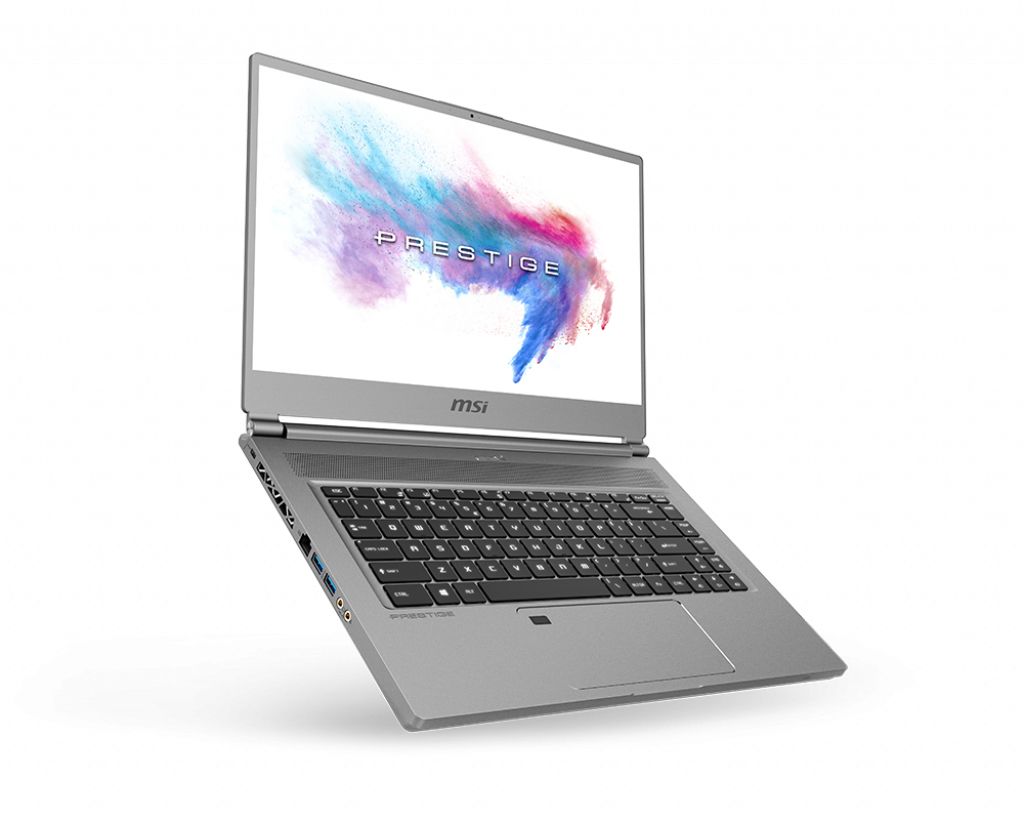
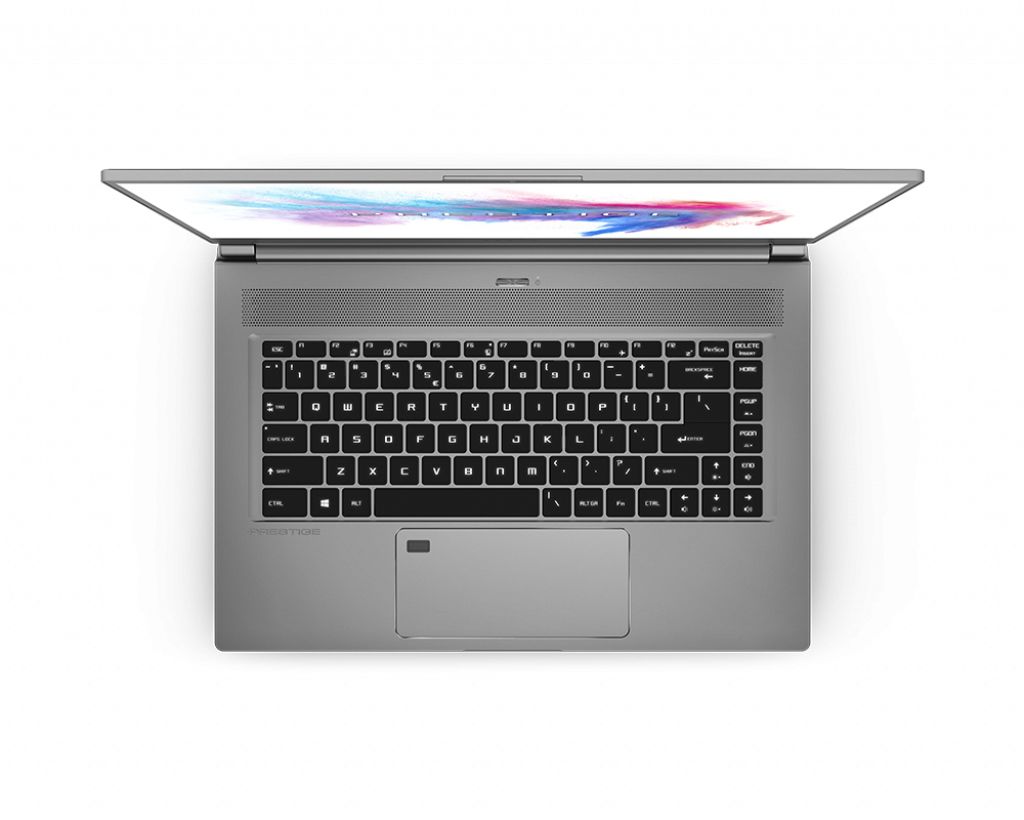

MSI Prestige P65 9SG-1291NL Creator laptop features DDR4-SDRAM memory upgrade specifications with 2x SO-DIMM slots supporting maximum capacity of 64 GB. Compatible memory modules operate at 2666 MHz frequency. The SO-DIMM form factor enables memory expansion for this creator-focused portable workstation, accommodating upgrades to enhance multitasking and application performance capabilities.
Memory Upgrade Specifications
| Specification | Value |
|---|---|
| Memory slots | 2x SO-DIMM |
| Form factor | SO-DIMM |
| Memory type | DDR4-SDRAM |
| Frequency | 2666 MHz |
| Maximum RAM | 64 GB |
| Voltage | 1.2V |
| Number of pins | 260-pin |
| Interface | PC4 |
| PC Speed Rating | PC4-2666 (PC4-21328) |
| Bandwidth | 21.3 GB/s |
| Laptop Release date | 03 December 2019 |
Additional Notes
- The MSI Prestige P65 9SG-1291NL Creator utilizes SO-DIMM modules rather than standard desktop DIMMs, requiring physically smaller memory sticks with 260 pins instead of the 288-pin configuration found in tower PCs.
- Access to memory slots typically requires bottom panel removal, which may involve voiding manufacturer seals or affecting warranty coverage depending on regional consumer protection laws.
- DDR4-2666 represents a JEDEC standard speed, allowing compatibility with higher-frequency modules that will downclock to match the system's maximum supported rate of 2666 MHz.
- The 64 GB ceiling necessitates 2x 32 GB module configuration for maximum capacity, as no higher-density SO-DIMM formats exist within DDR4 specifications.
- Memory bandwidth peaks at 21.3 GB/s per channel with dual-channel population, potentially creating bottlenecks when paired with high-end discrete graphics during VRAM-intensive workloads.
- Single-module installation forfeits dual-channel operation, halving available memory bandwidth and reducing integrated graphics performance by up to 40 percent in compute tasks.
- Mixing module densities across the 2 slots maintains functionality but may prevent XMP profile activation, forcing fallback to JEDEC-standard timings and latencies.
- ECC memory remains incompatible with this configuration despite physical SO-DIMM form factor compatibility, as the platform lacks error-correction circuitry.
- Thermal constraints within slim chassis designs may cause memory throttling under sustained loads, particularly when modules lack integrated heat spreaders or thermal padding.
- Voltage specifications must remain at standard 1.2V for DDR4 operation, as SO-DIMM slots in mobile platforms typically lack support for overvolting beyond JEDEC parameters.