MSI Prestige P65 Creator 9SE-620IT RAM upgrade specifications

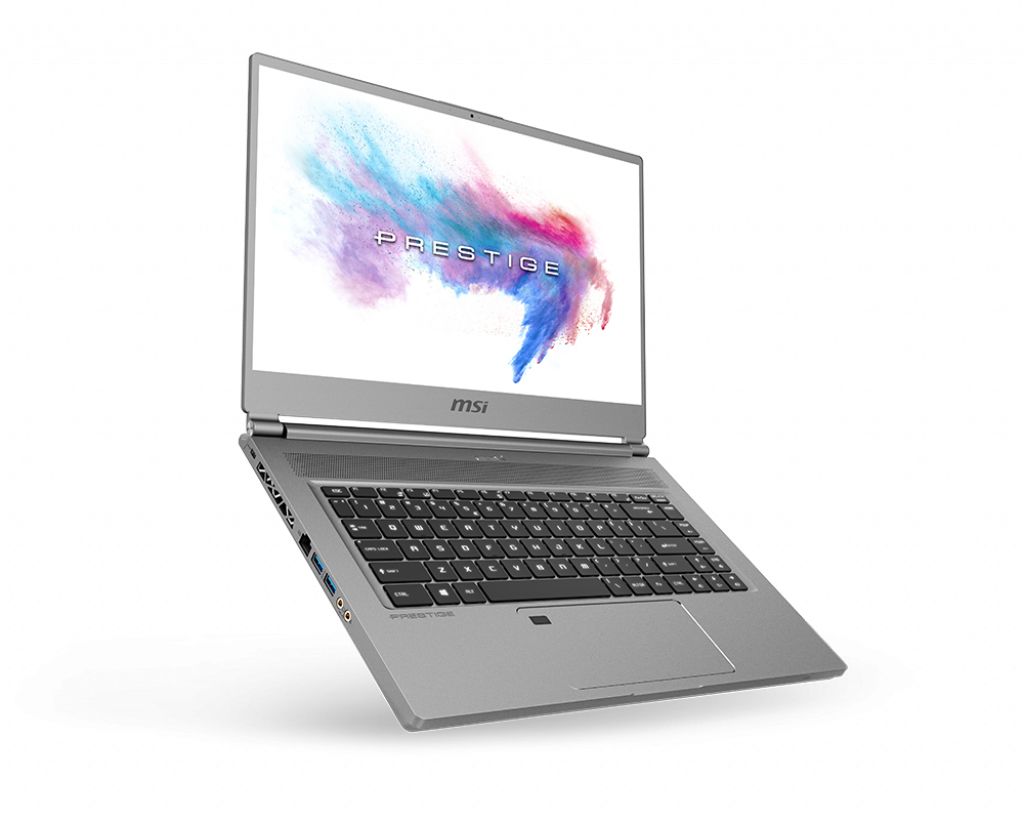
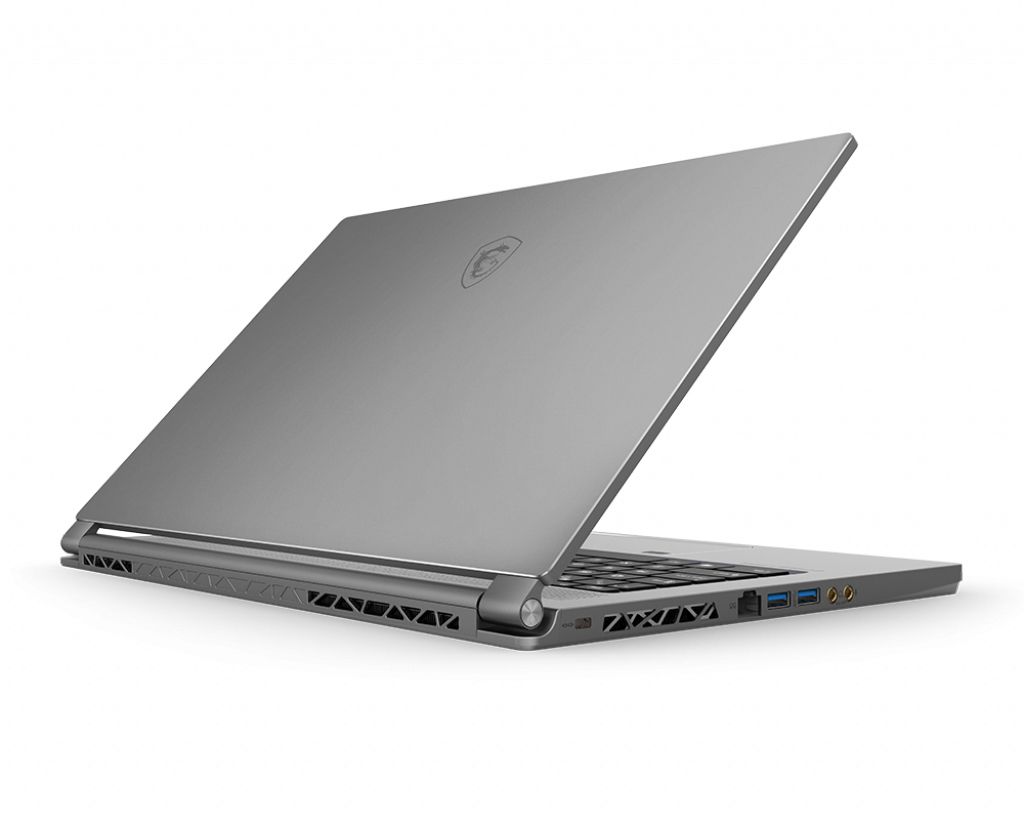


MSI Prestige P series P65 Creator 9SE-620IT laptop features two SO-DIMM slots for memory expansion. Compatible upgrade specifications include DDR4-SDRAM modules operating at 2666 MHz frequency. Maximum RAM capacity supported reaches 64 GB total. Current memory configuration allows for flexible upgrades to enhance multitasking performance and application responsiveness. SO-DIMM form factor ensures compatibility with standard laptop memory modules. Specifications indicate dual-channel memory architecture for optimized data transfer rates.
Memory Upgrade Specifications
| Specification | Value |
|---|---|
| Memory slots | 2x SO-DIMM |
| Form factor | SO-DIMM |
| Memory type | DDR4-SDRAM |
| Frequency | 2666 MHz |
| Maximum RAM | 64 GB |
| Voltage | 1.2V |
| Number of pins | 260-pin |
| Interface | PC4 |
| PC Speed Rating | PC4-2666 (PC4-21328) |
| Bandwidth | 21.3 GB/s |
| Laptop Release date | 02 May 2019 |
Additional Notes
- The 64 GB ceiling indicates chipset-level memory controller addressing limits rather than physical slot restrictions, meaning a future BIOS update cannot extend this capacity.
- The 2666 MHz specification represents the JEDEC standard speed for this memory controller generation, with XMP profiles potentially available but requiring manual BIOS enablement to exceed this baseline frequency.
- Dual-channel architecture requires matched module pairs to avoid asymmetric mode, where mismatched capacities force the controller to operate partially in lower-performance single-channel configuration.
- The SO-DIMM form factor precludes use of standard desktop DIMM modules despite identical DDR4 electrical specifications, as the 260-pin laptop interface differs physically from 288-pin desktop variants.
- Memory replacement in the MSI Prestige P65 Creator 9SE-620IT requires bottom panel removal, exposing upgrade access without keyboard assembly disassembly, though this typically voids seal-based warranty indicators.
- Modules exceeding 1.2V operating voltage may trigger thermal throttling in compact laptop chassis designs, making low-voltage variants preferable despite identical frequency ratings.
- CAS latency timings affect real-world responsiveness independently of MHz ratings, with CL19 modules providing different performance characteristics than CL15 variants at identical 2666 MHz speeds.
- ECC SO-DIMM modules physically fit this slot configuration but remain incompatible due to non-Xeon processor architectures lacking error correction logic.
- Single versus dual rank module architecture influences memory controller stress levels, with high-density 32 GB modules potentially requiring voltage adjustments for stability at rated speeds.
- Mixing modules from different manufacturing periods may introduce subtiming conflicts despite matching advertised specifications, as JEDEC compliance permits variance within standardized parameters.