MSI Prestige P65 Creator 9SE-407ES RAM upgrade specifications
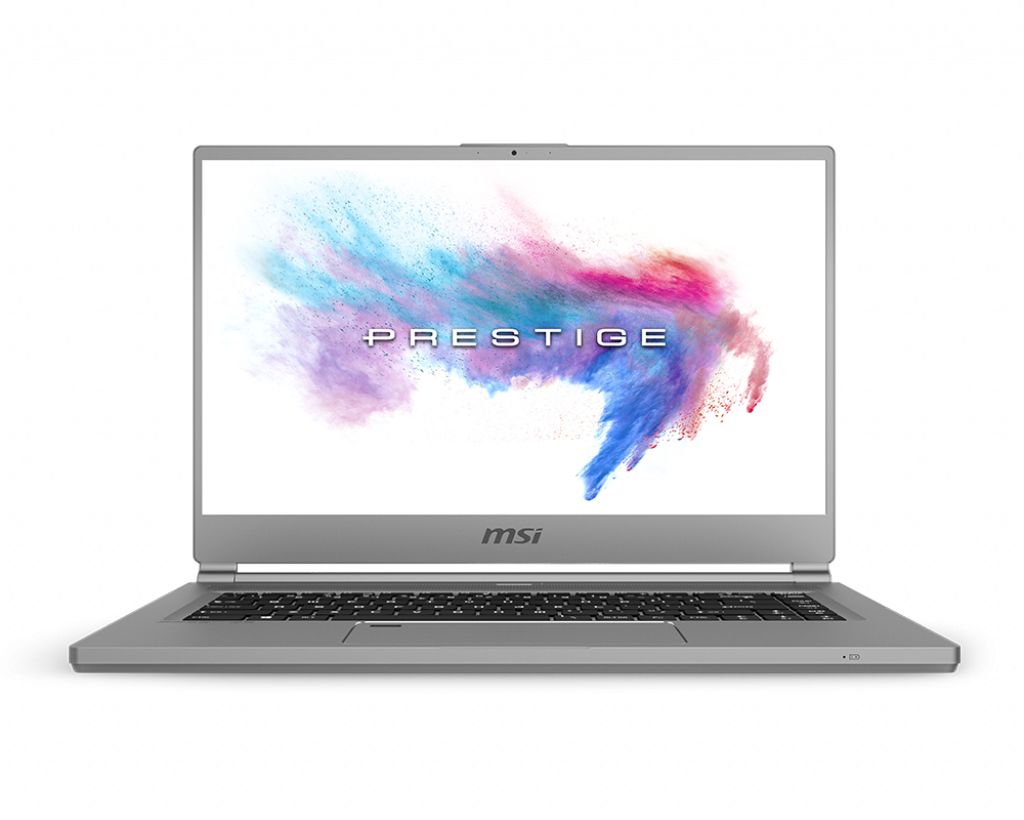
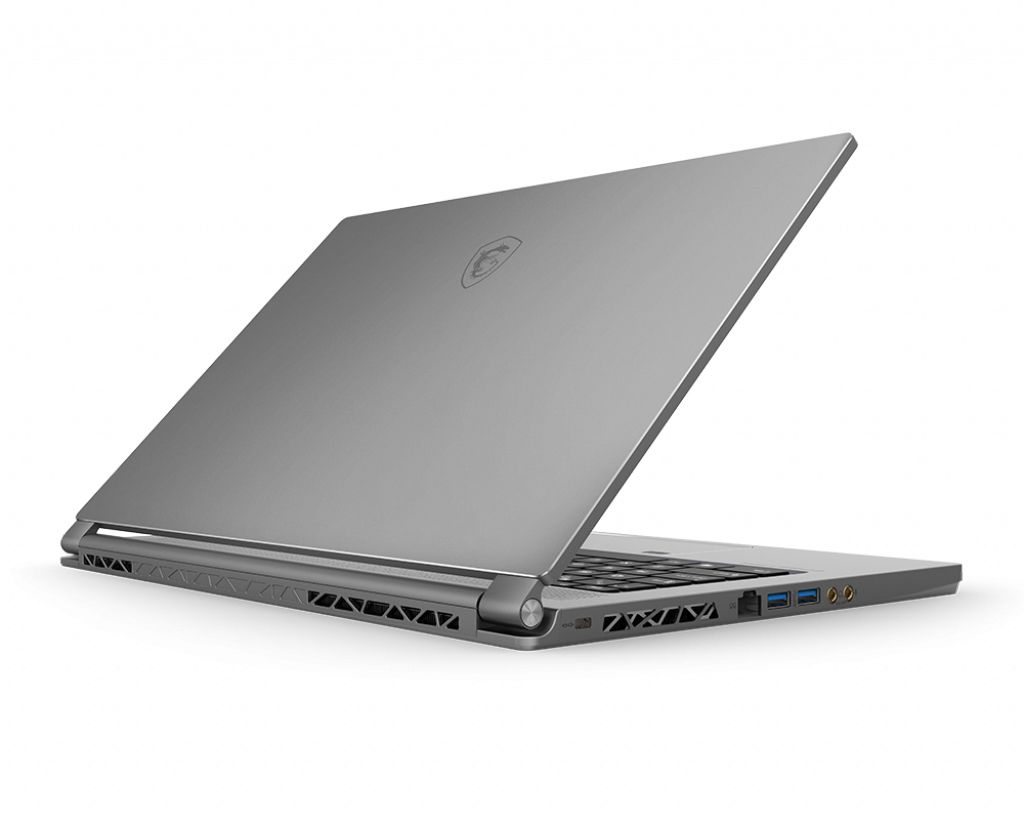
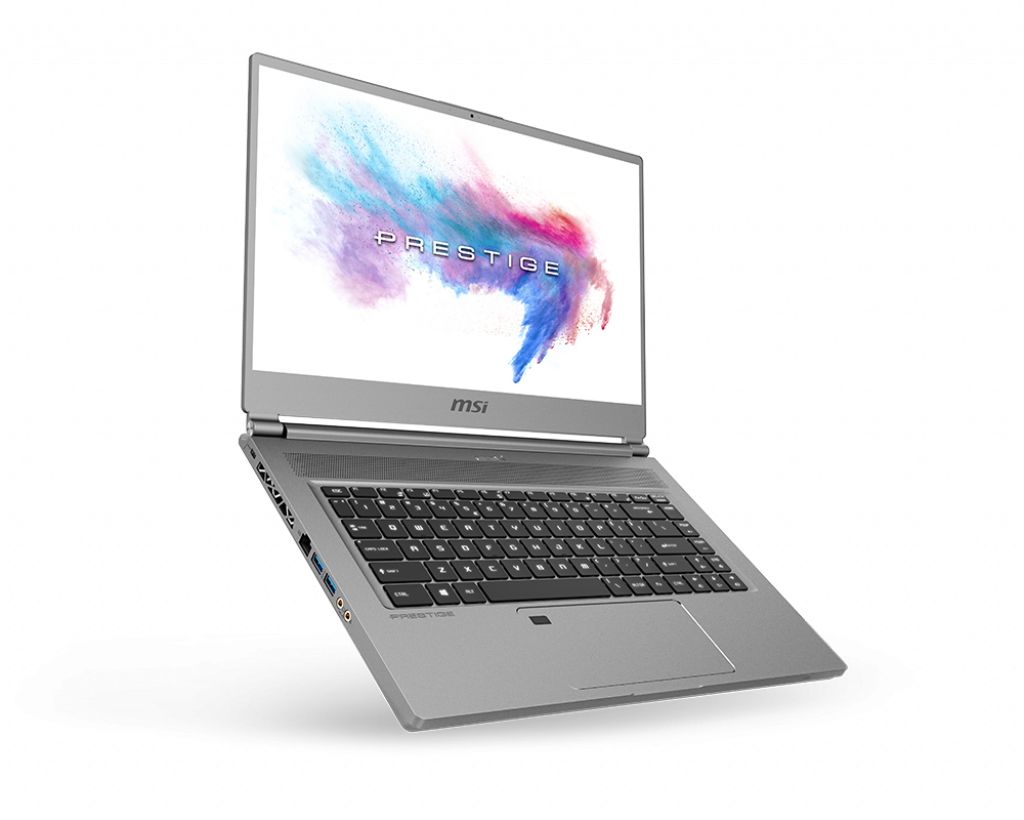

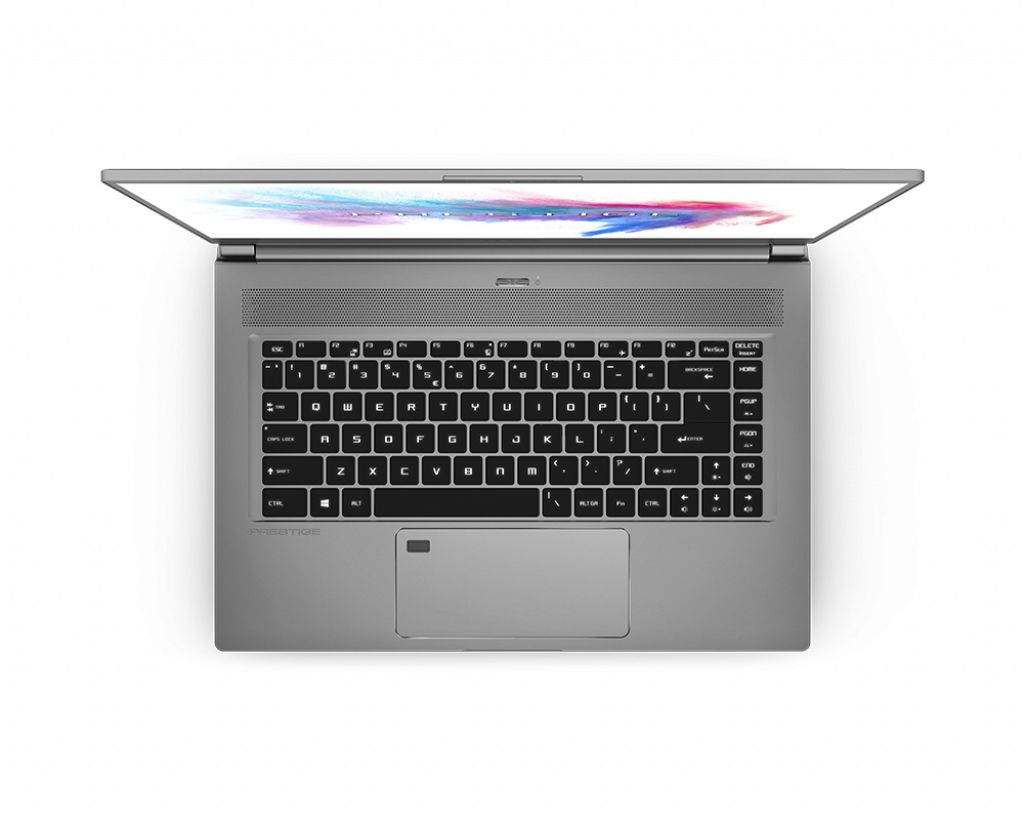
MSI Prestige P series P65 Creator 9SE-407ES laptop features DDR4-SDRAM memory configuration with 2x SO-DIMM slots supporting maximum RAM capacity of 64 GB. Memory upgrade specifications indicate compatible DDR4 modules operating at 2666 MHz frequency. Existing memory slots accommodate SO-DIMM form factor upgrades for enhanced system performance and multitasking capabilities.
Memory Upgrade Specifications
| Specification | Value |
|---|---|
| Memory slots | 2x SO-DIMM |
| Form factor | SO-DIMM |
| Memory type | DDR4-SDRAM |
| Frequency | 2666 MHz |
| Maximum RAM | 64 GB |
| Voltage | 1.2V |
| Number of pins | 260-pin |
| Interface | PC4 |
| PC Speed Rating | PC4-2666 (PC4-21328) |
| Bandwidth | 21.3 GB/s |
| Laptop Release date | 19 April 2019 |
Additional Notes
- The MSI Prestige P65 Creator 9SE-407ES contains 2 SO-DIMM slots with a combined capacity ceiling of 64 GB, requiring paired 32 GB modules for maximum density. Single-slot upgrades will leave performance on the table unless the system operates in single-channel mode by design.
- DDR4-2666 MHz specification indicates the memory controller locks to this frequency regardless of higher-speed module availability. DDR4-3000, DDR4-3200, or faster DIMMs will downclock to 2666 MHz, eliminating any premium paid for faster silicon.
- SO-DIMM form factor constrains upgrade sourcing to laptop-specific modules only. Desktop DDR4 DIMMs are physically incompatible and cannot be force-fitted into the available slots.
- Dual-channel architecture depends on symmetrical population. Mixing capacities (8 GB + 16 GB, for example) or single-slot population will degrade memory bandwidth by approximately 50 percent, creating a bottleneck for memory-intensive workloads such as video rendering or multithreaded compilation.
- Maximum 64 GB capacity places an upper limit on workload scaling. Processes exceeding this threshold will spill into storage-based virtual memory, reducing responsiveness by orders of magnitude compared to physical RAM access latency.
- Factory-installed modules should be retained during upgrades to preserve the original configuration profile and maintain warranty eligibility if the system is returned for service under the manufacturer's original specifications.