MSI Prestige PS42 8M-218XES RAM upgrade specifications
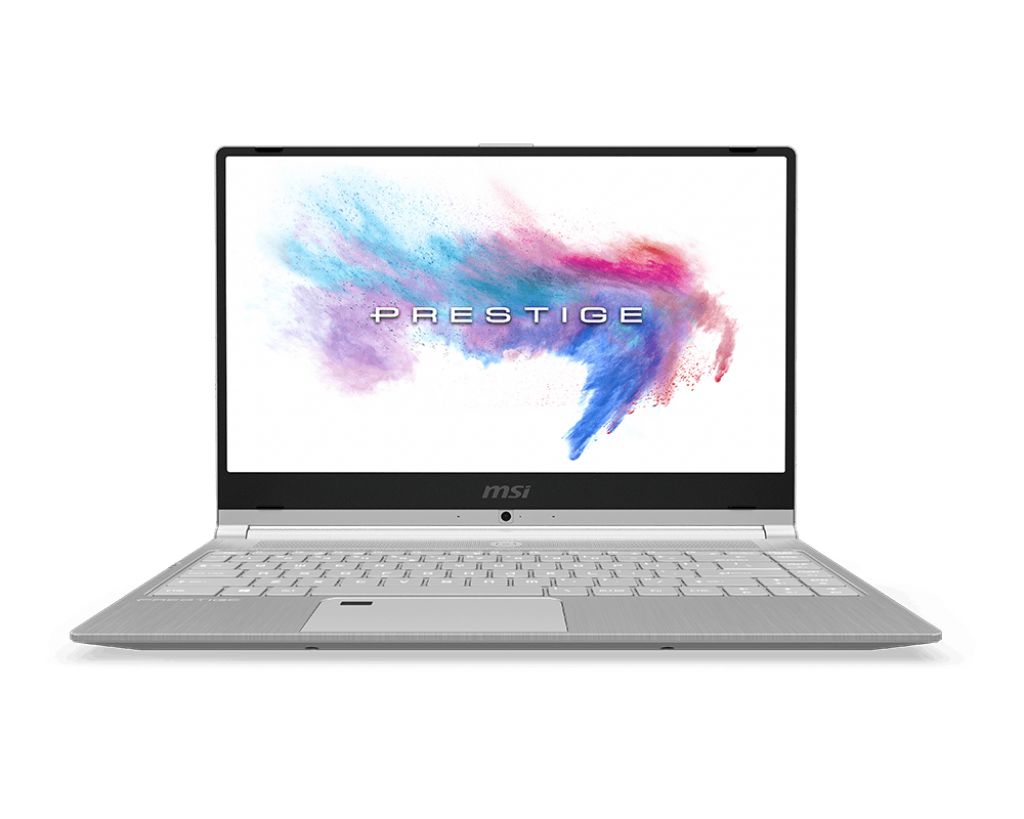
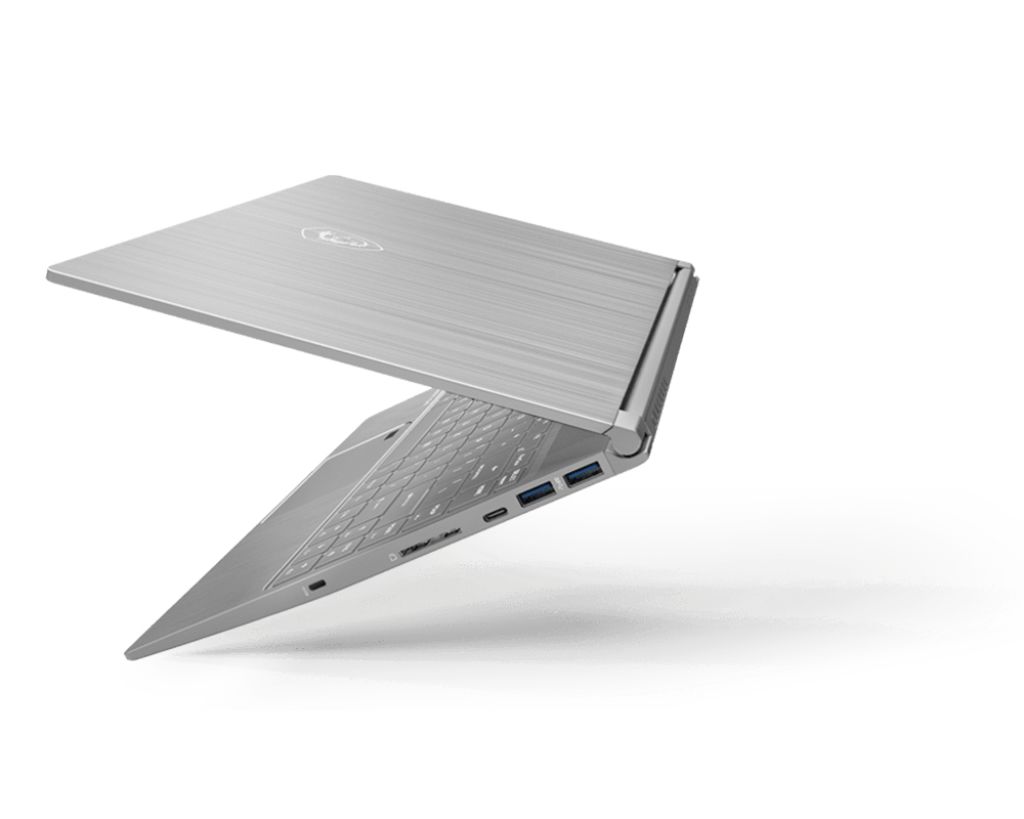
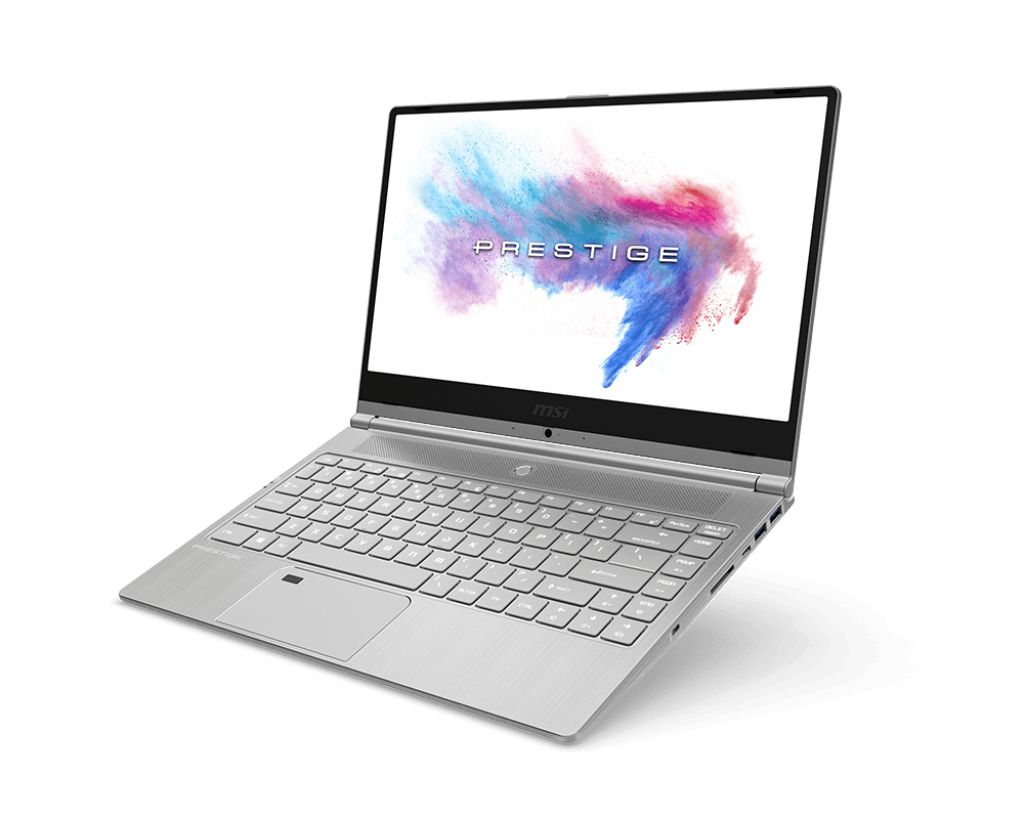
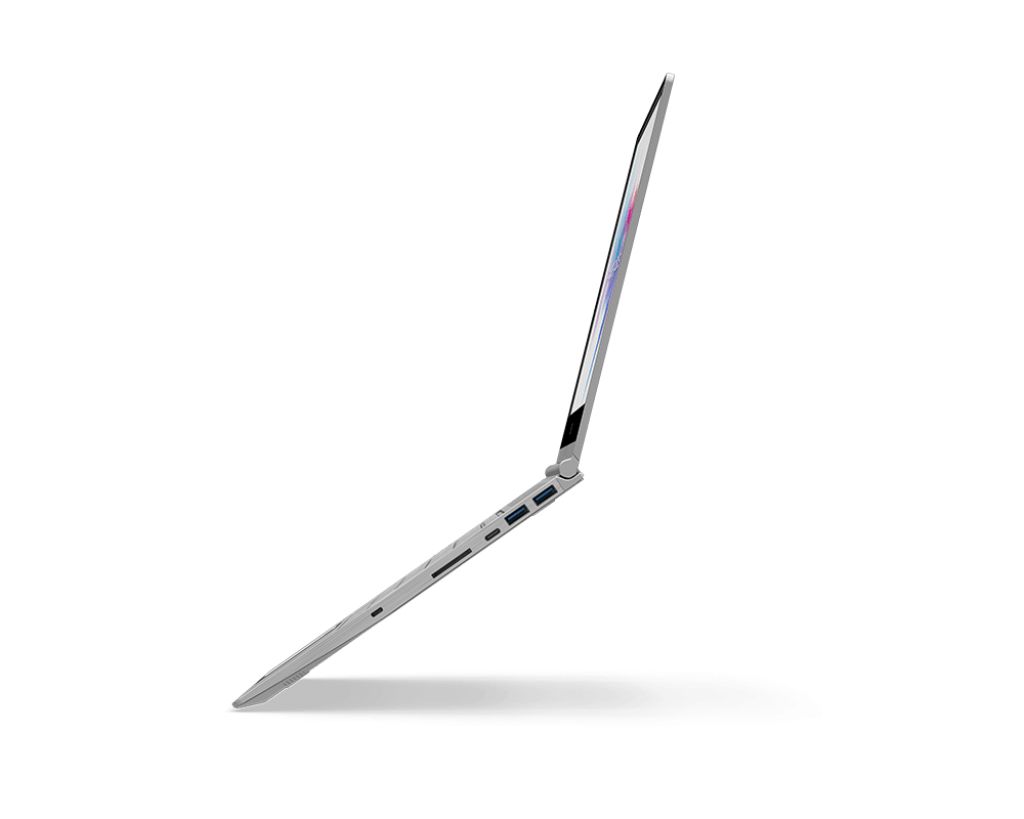
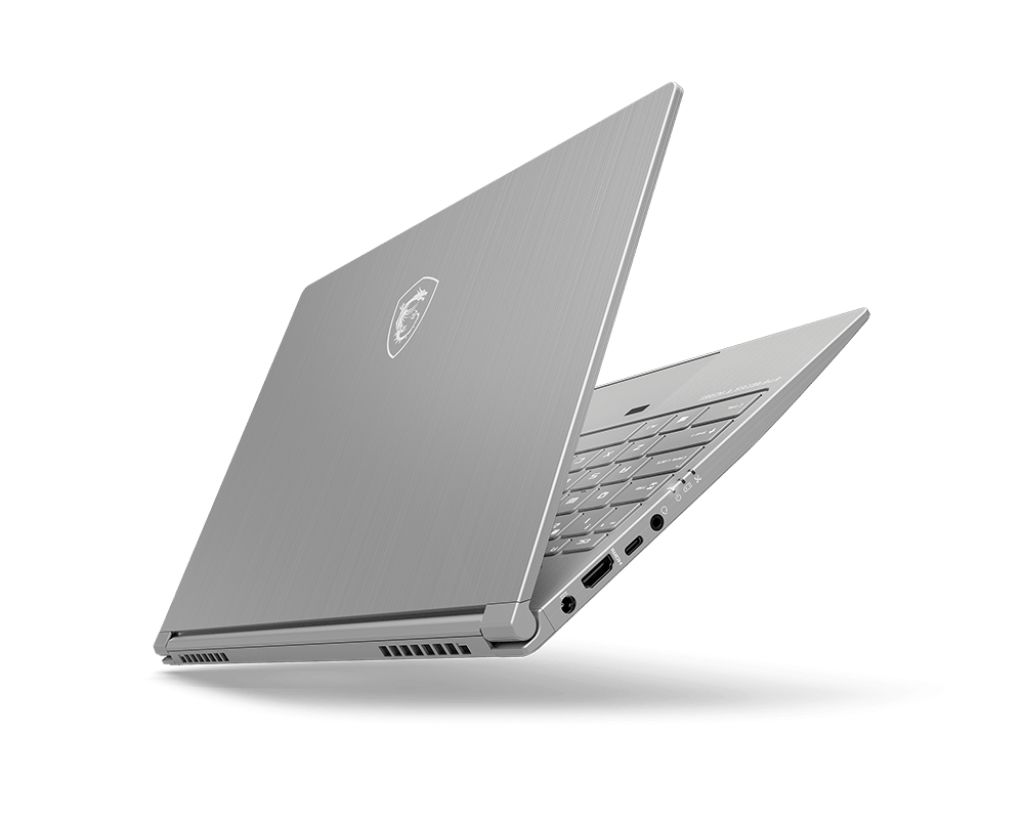
The MSI Prestige PS series model PS42 8M-218XES features DDR4-SDRAM memory upgrade specifications. The laptop contains one SO-DIMM slot for memory expansion, supporting a maximum RAM capacity of 16 GB. Compatible memory modules operate at 2400 MHz frequency. Users upgrading the memory in this model should utilize SO-DIMM form factor modules meeting DDR4-SDRAM specifications to ensure compatibility with the MSI Prestige PS42 8M-218XES configuration.
Memory Upgrade Specifications
| Specification | Value |
|---|---|
| Memory slots | 1x SO-DIMM |
| Form factor | SO-DIMM |
| Memory type | DDR4-SDRAM |
| Frequency | 2400 MHz |
| Maximum RAM | 16 GB |
| Voltage | 1.2V |
| Number of pins | 260-pin |
| Interface | PC4 |
| PC Speed Rating | PC4-2400 (PC4-19200) |
| Bandwidth | 19.2 GB/s |
| Laptop Release date | 16 September 2018 |
Additional Notes
- The presence of a single SO-DIMM slot prevents the utilization of dual-channel memory architecture, resulting in a permanent half-bandwidth limitation for memory-intensive tasks.
- Upgrading the system memory necessitates the complete removal and replacement of the existing module rather than allowing for expansion alongside current hardware.
- The 16 GB capacity ceiling is enforced by hardware or BIOS limitations, rendering 32 GB or 64 GB high-density modules incompatible with the motherboard firmware.
- Installing memory modules with frequencies exceeding 2400 MHz results in automatic down-clocking to match the fixed motherboard bus speed, negating any performance benefits of higher-rated RAM.
- Accessing the single memory slot requires the removal of the entire bottom chassis panel, which involves navigating delicate internal ribbon cables and potential factory seal obstacles.
- The chipset lacks support for 2666 MHz or 3200 MHz native speeds, concentrating performance purely on CAS latency timings within the 2400 MHz bracket.
- Integrated graphics performance remains constrained by the single-channel bus, as the GPU must share the limited 64-bit memory interface with the processor.
- Non-volatile storage swaps or thermal maintenance are often required concurrently during the RAM replacement process due to the centralized layout of the internal components.