MSI Prestige PS42 8M-222UK RAM upgrade specifications
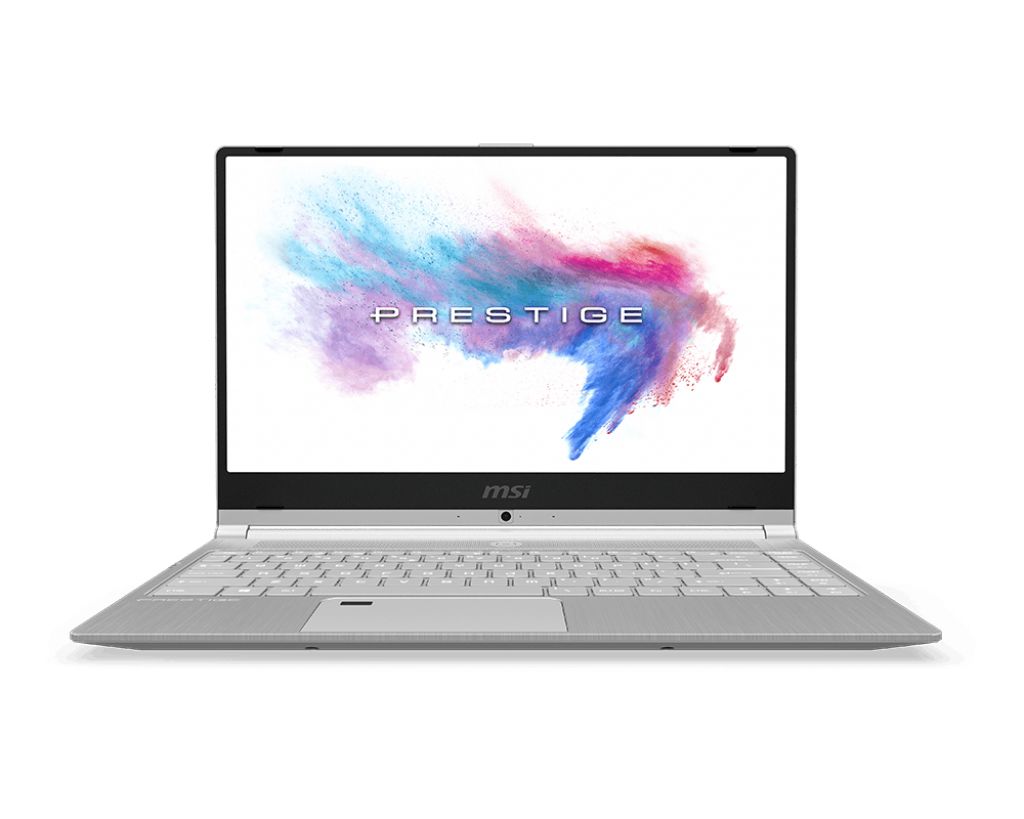
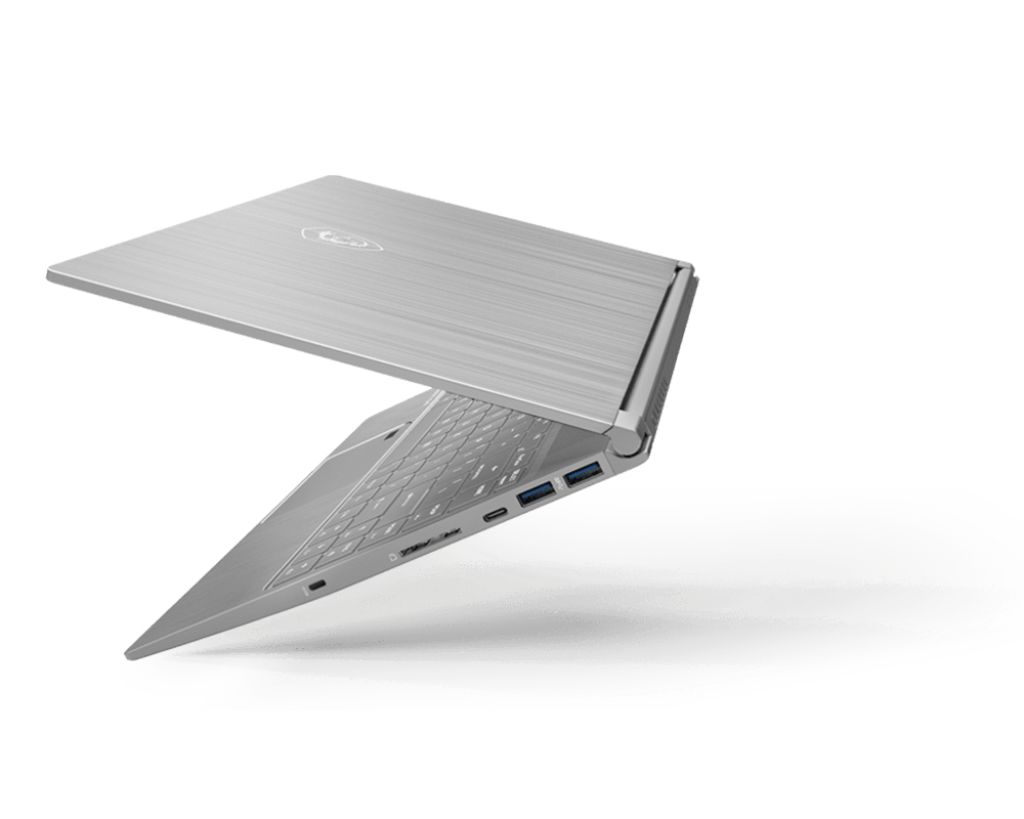
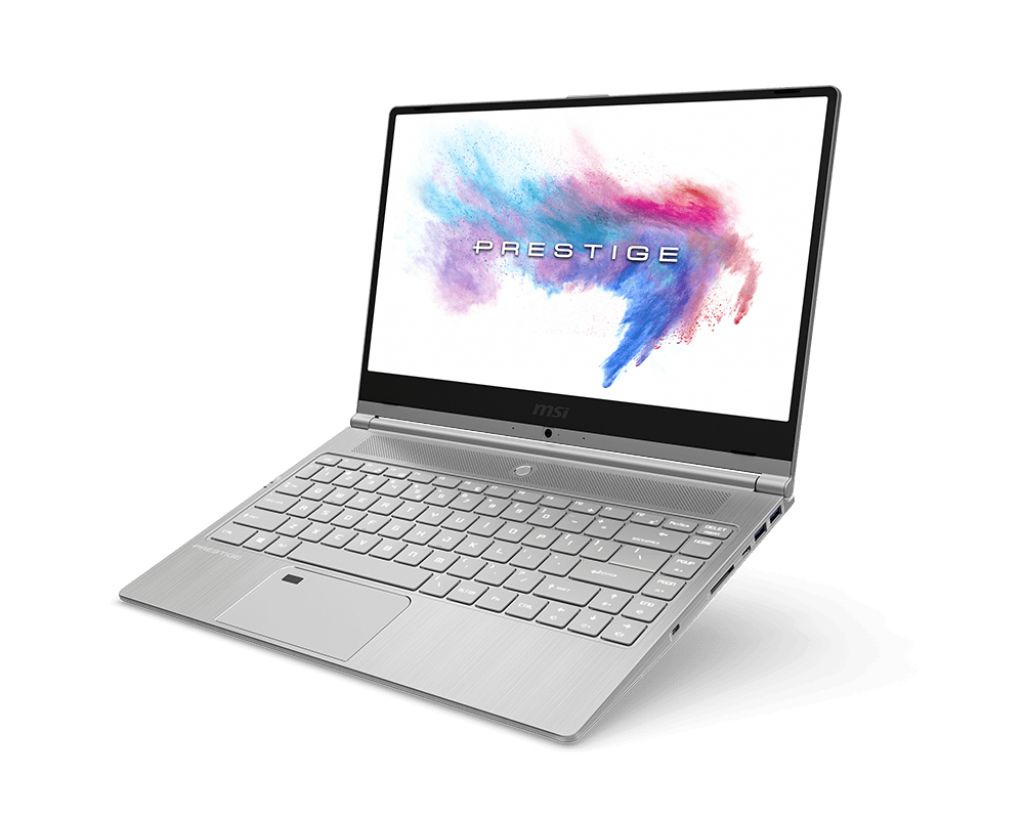
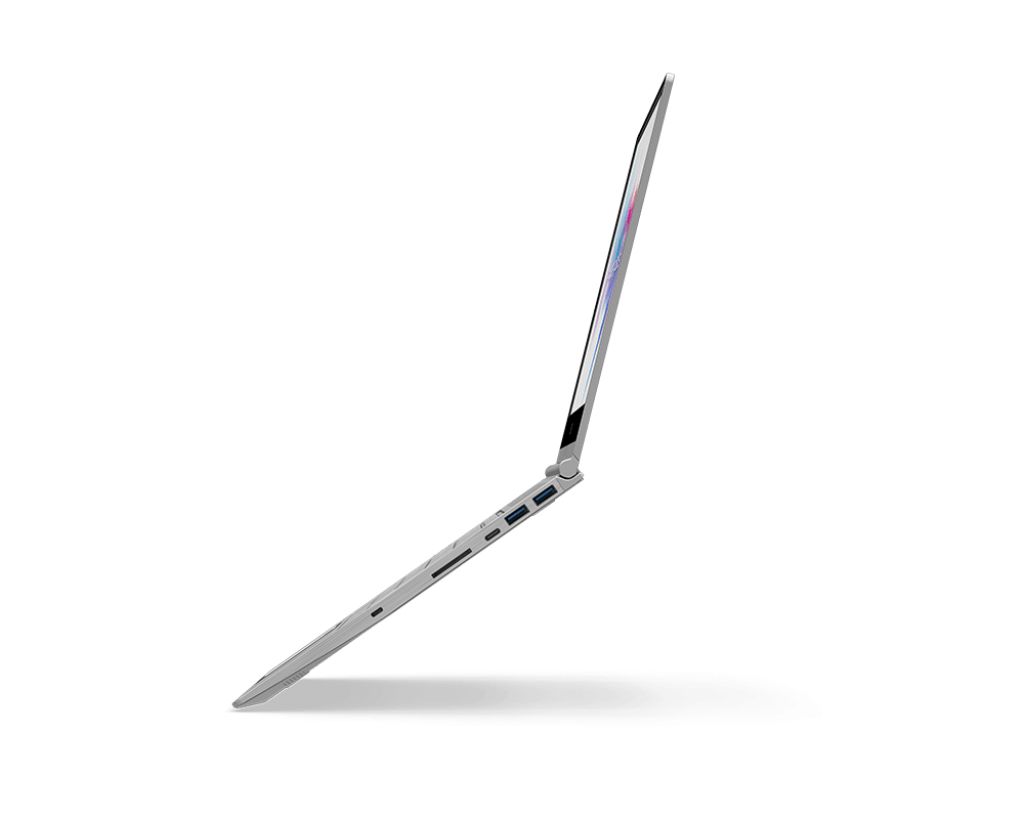
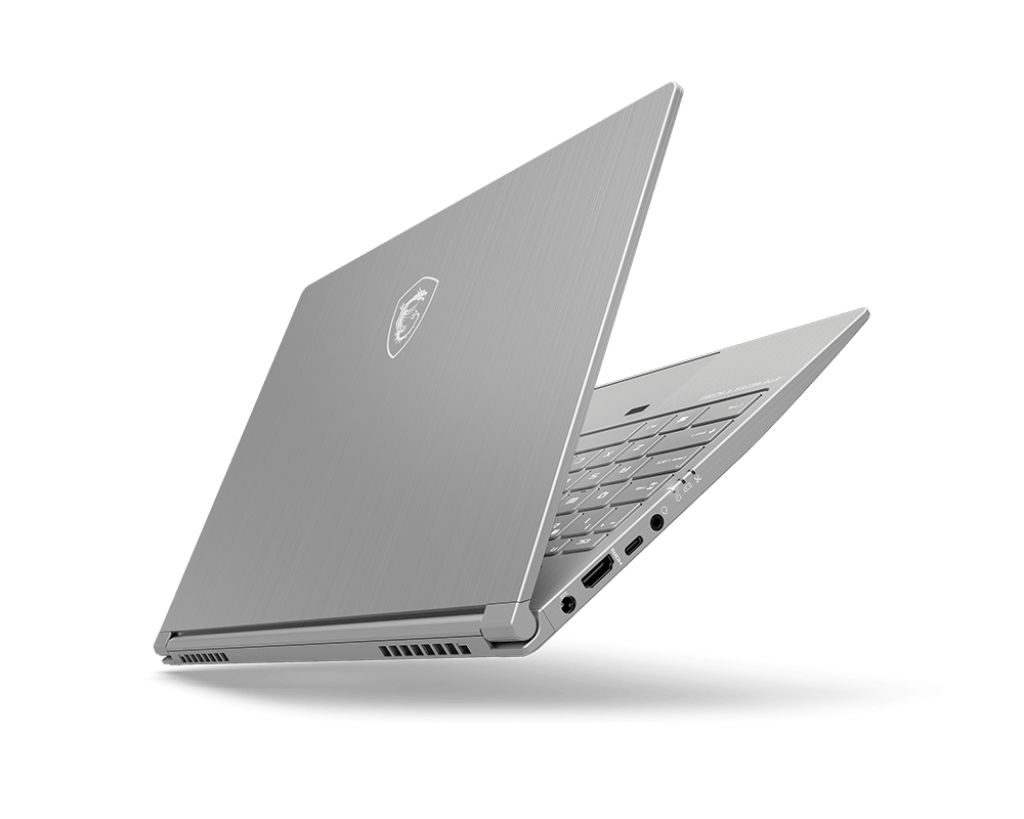
The MSI Prestige PS series PS42 8M-222UK laptop features one SO-DIMM memory slot supporting DDR4-SDRAM specifications. The maximum RAM capacity for this model reaches 16 GB, with compatible memory operating at 2400 MHz frequency. Upgrade options are available for expanding the existing memory configuration through the single SO-DIMM slot, allowing users to enhance system performance by increasing RAM capacity within the maximum specifications supported by the PS42 8M-222UK platform.
Memory Upgrade Specifications
| Specification | Value |
|---|---|
| Memory slots | 1x SO-DIMM |
| Form factor | SO-DIMM |
| Memory type | DDR4-SDRAM |
| Frequency | 2400 MHz |
| Maximum RAM | 16 GB |
| Voltage | 1.2V |
| Number of pins | 260-pin |
| Interface | PC4 |
| PC Speed Rating | PC4-2400 (PC4-19200) |
| Bandwidth | 19.2 GB/s |
| Laptop Release date | 16 September 2018 |
Additional Notes
- Single SO-DIMM slot configuration limits upgrade scalability to a solitary 16 GB module; no dual-channel memory architecture is achievable.
- DDR4-2400 specification indicates compatibility only with DDR4 SO-DIMM modules rated at 2400 MHz or higher; backward compatibility with slower DDR4 variants may result in system instability or BIOS-enforced speed throttling.
- The 16 GB ceiling represents a hard physical limit; no upgrade path exists beyond this capacity regardless of module availability in the market.
- Removal of the original SO-DIMM module is mandatory prior to installation; the single slot cannot accommodate simultaneous dual modules.
- DDR4-2400 operates at reduced bandwidth relative to modern DDR4 standards (DDR4-3200 and above); memory throughput becomes a potential performance constraint for workloads requiring high memory bandwidth.
- SO-DIMM form factor restricts module selection to laptop-class memory; desktop DDR4 DIMM modules are physically incompatible and will not mechanically fit the slot.
- Warranty preservation requires verification of the manufacturer's upgrade policy; some OEM agreements restrict third-party memory installation or void coverage upon module replacement.
- The frequency specification suggests CPU generation from the 8th Intel Core family or equivalent; newer DDR4-capable processors may support higher frequencies, creating a legacy memory speed constraint.