MSI Prestige PS42 8RB-200IT RAM upgrade specifications
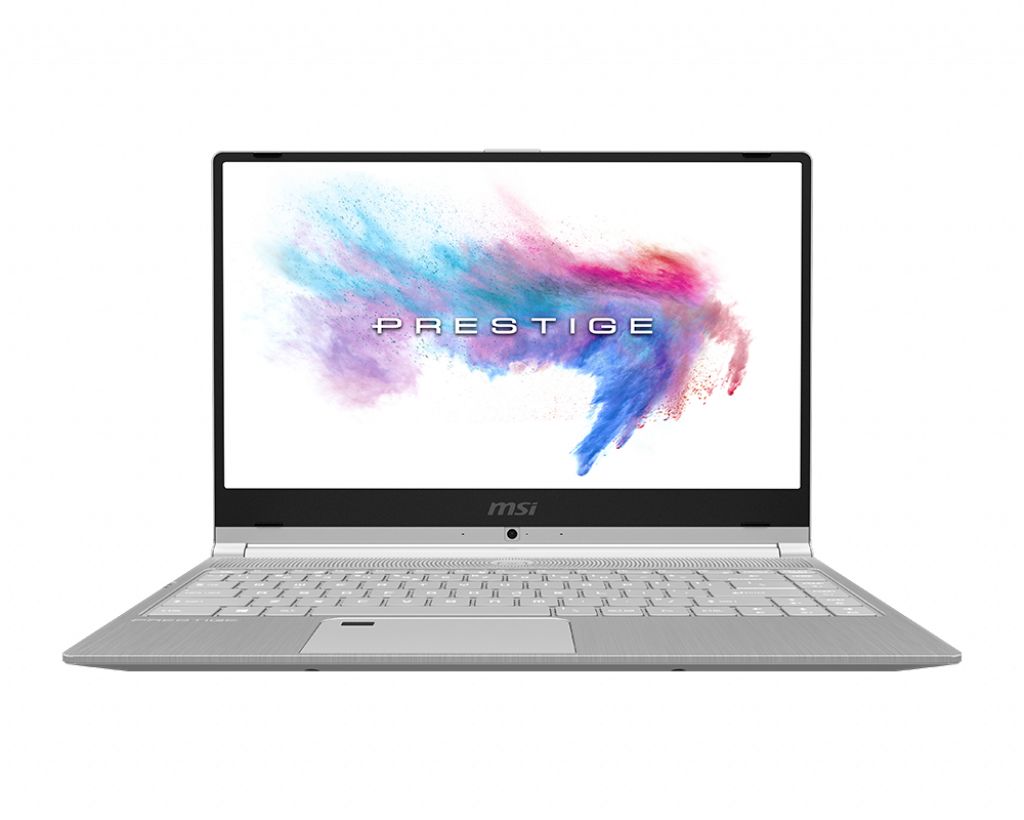
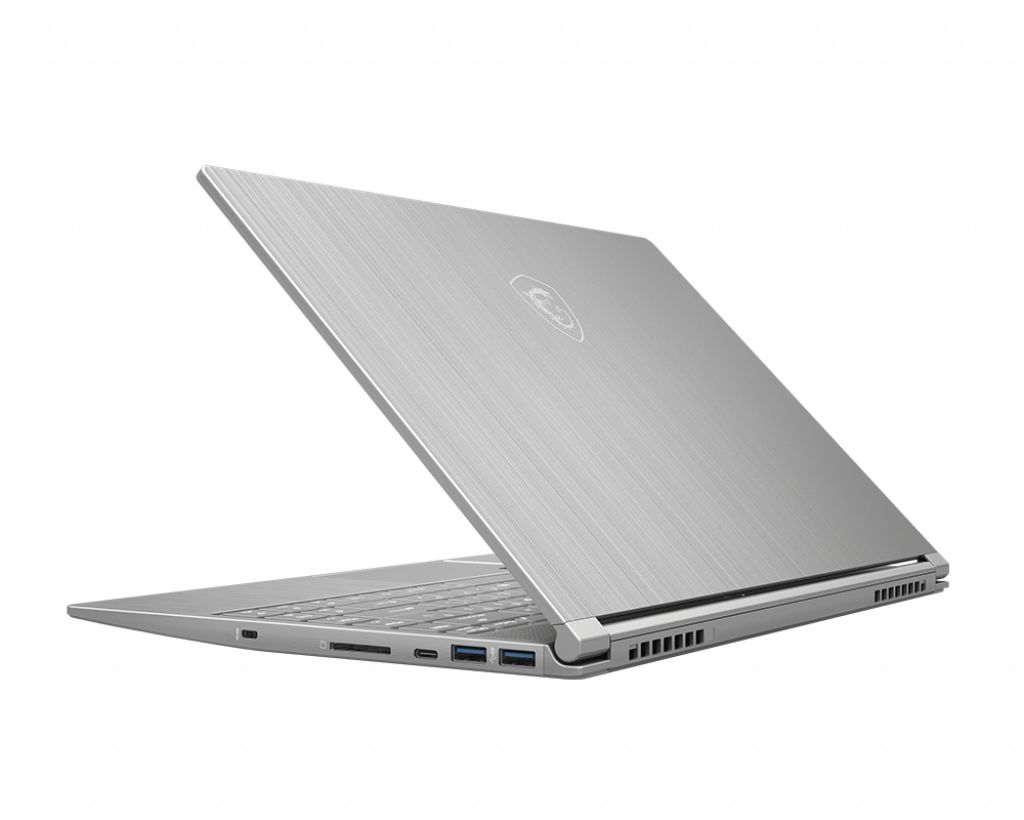
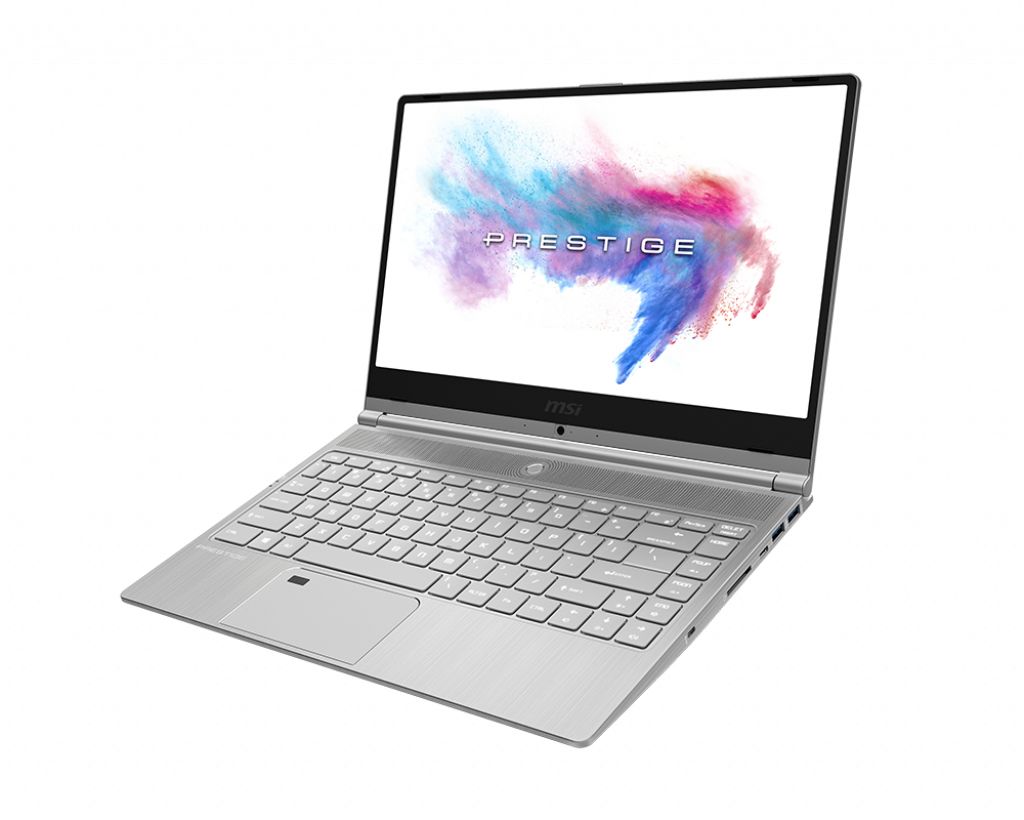
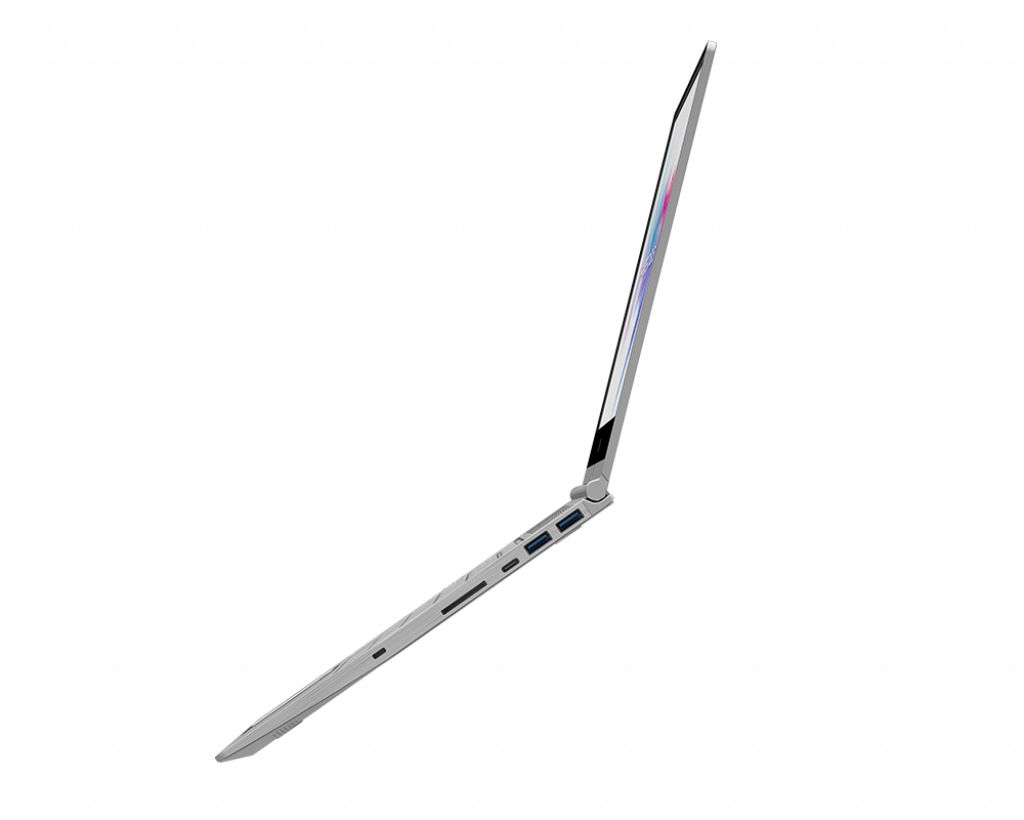
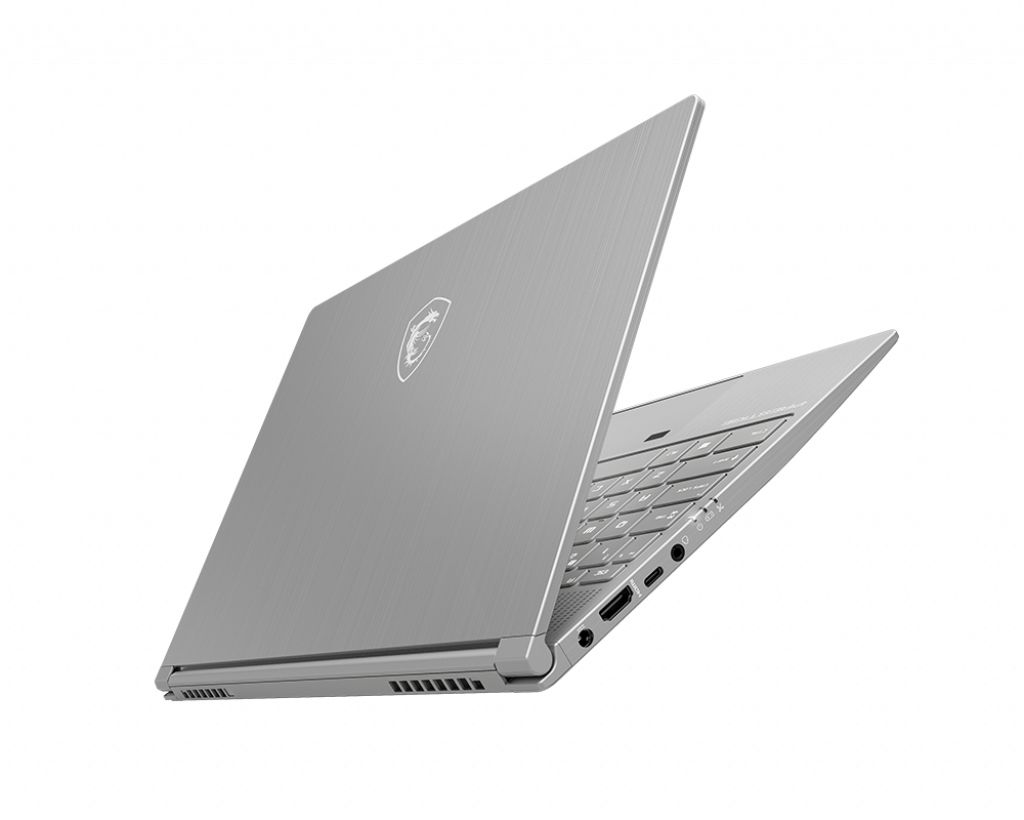
The MSI Prestige PS42 8RB-200IT laptop features DDR4-SDRAM memory upgrade specifications with one SO-DIMM slot available for expansion. Compatible memory upgrades support a maximum RAM capacity of 16 GB, operating at 2400 MHz frequency. The SO-DIMM form factor specifications define the physical dimensions and compatibility parameters for RAM upgrade installation on the PS series model.
Memory Upgrade Specifications
| Specification | Value |
|---|---|
| Memory slots | 1x SO-DIMM |
| Form factor | SO-DIMM |
| Memory type | DDR4-SDRAM |
| Frequency | 2400 MHz |
| Maximum RAM | 16 GB |
| Voltage | 1.2V |
| Number of pins | 260-pin |
| Interface | PC4 |
| PC Speed Rating | PC4-2400 (PC4-19200) |
| Bandwidth | 19.2 GB/s |
| Laptop Release date | 14 March 2019 |
Additional Notes
- The single SO-DIMM slot architecture prevents dual-channel memory operation, limiting memory bandwidth to approximately 19.2 GB/s compared to the 38.4 GB/s achievable with dual-channel configurations at this frequency.
- Upgrading RAM requires removing the existing module entirely rather than adding a second stick, as the MSI Prestige PS42 8RB-200IT provides no expansion slot alongside the occupied socket.
- The 16 GB ceiling reflects either chipset limitations or motherboard trace routing constraints, preventing installation of higher-density 32 GB SO-DIMM modules even if physically compatible.
- DDR4-2666 or DDR4-3200 modules will physically install but automatically downclock to 2400 MHz operation, offering no performance advantage despite higher retail cost.
- Single-channel bandwidth may bottleneck integrated graphics performance in workloads requiring simultaneous CPU and GPU memory access, particularly in video editing or light gaming scenarios.
- Accessing the memory slot typically requires complete bottom panel removal and potentially thermal assembly disengagement, complicating user upgrades compared to dedicated RAM door designs.
- The SO-DIMM specification requires modules with 260-pin contacts and 1.2V operating voltage, distinguishing DDR4 from physically incompatible DDR3L or DDR5 form factors.
- Memory latency becomes proportionally more critical in single-channel configurations, making CL15 or CL16 modules preferable to CL17 variants at identical 2400 MHz speeds.
- Third-party modules must match the factory-installed rank configuration (single-rank versus dual-rank) to avoid potential POST failures or stability issues with certain BIOS versions.
- The absence of a second slot eliminates future incremental upgrades, forcing a complete module replacement decision when transitioning from 8 GB to 16 GB capacities.