MSI Stealth B12UE-002 RAM upgrade specifications


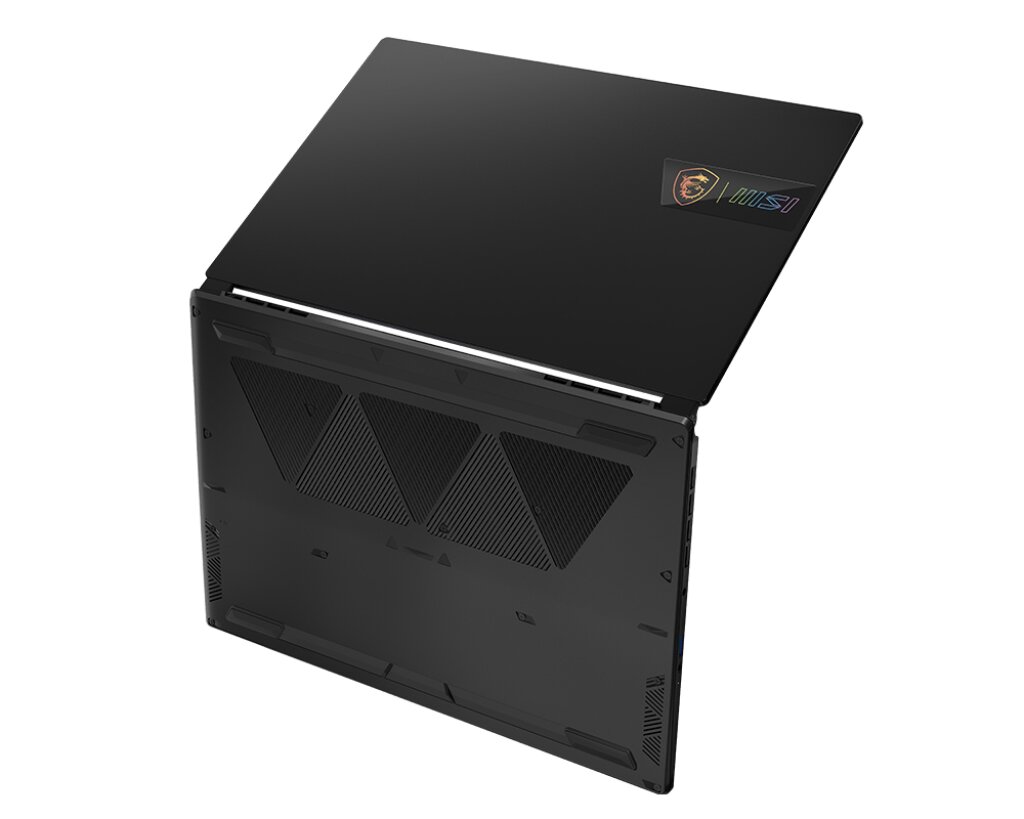

The MSI Stealth 15M Series B12UE-002 laptop features two SO-DIMM memory slots supporting DDR4-SDRAM upgrades at 3200 MHz frequency. The maximum RAM capacity reaches 64 GB, enabling significant memory expansion from the factory configuration. Compatible memory modules must match DDR4 specifications and SO-DIMM form factor for proper installation. Upgrade specifications indicate slots support dual-channel memory architecture, optimizing performance for demanding applications. The B12UE-002 model from MSI's Stealth family accommodates standard laptop memory modules without proprietary restrictions.
Memory Upgrade Specifications
| Specification | Value |
|---|---|
| Memory slots | 2x SO-DIMM |
| Form factor | SO-DIMM |
| Memory type | DDR4-SDRAM |
| Frequency | 3200 MHz |
| Maximum RAM | 64 GB |
| Voltage | 1.2V |
| Number of pins | 260-pin |
| Interface | PC4 |
| PC Speed Rating | PC4-3200 (PC4-25600) |
| Bandwidth | 25.6 GB/s |
| Laptop Release date | 31 December 2021 |
Additional Notes
- The MSI Stealth B12UE-002 requires SO-DIMM modules specifically, which eliminates standard desktop DIMM memory from consideration despite identical DDR4 specifications.
- Dual-channel architecture operates only when both slots contain matching capacity modules, otherwise defaulting to single-channel mode with approximately 20-30% memory bandwidth reduction.
- The 3200 MHz frequency represents the maximum supported speed, with higher-rated modules automatically downclocking to this specification through JEDEC standard fallback.
- Accessing internal SO-DIMM slots typically requires bottom panel removal, which may involve warranty seal considerations depending on regional consumer protection regulations.
- The 64 GB maximum capacity indicates chipset support for 32 GB individual modules, though 16 GB modules remain more cost-effective per gigabyte at current market pricing.
- Mixed-capacity configurations maintain functionality but prevent symmetric dual-channel operation across the total installed memory pool, creating asymmetric bandwidth zones.
- DDR4-3200 CAS latency variations between manufacturers create potential stability conflicts when mixing brands, despite matching frequency specifications.
- SO-DIMM physical retention clips require precise perpendicular insertion at approximately 30-degree angles before seating, with improper technique risking connector damage.
- The controller supports only DDR4 voltage standards at 1.2V, rejecting non-standard low-voltage or overclocking-oriented modules rated outside this specification.
- ECC SO-DIMM modules physically install but remain functionally incompatible, as mobile chipsets in this class lack error-correction logic activation.