MSI Stealth 16 RAM upgrade specifications



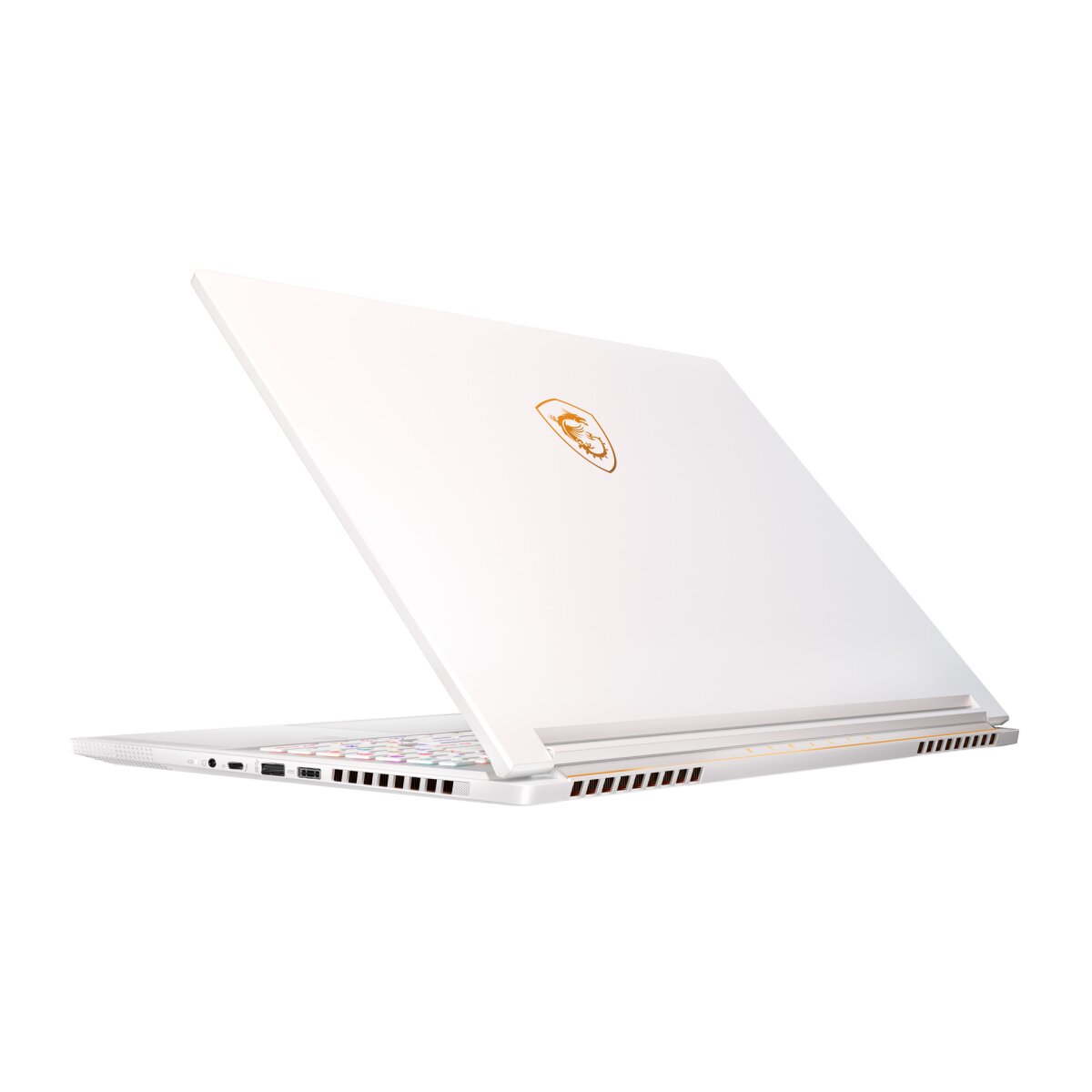
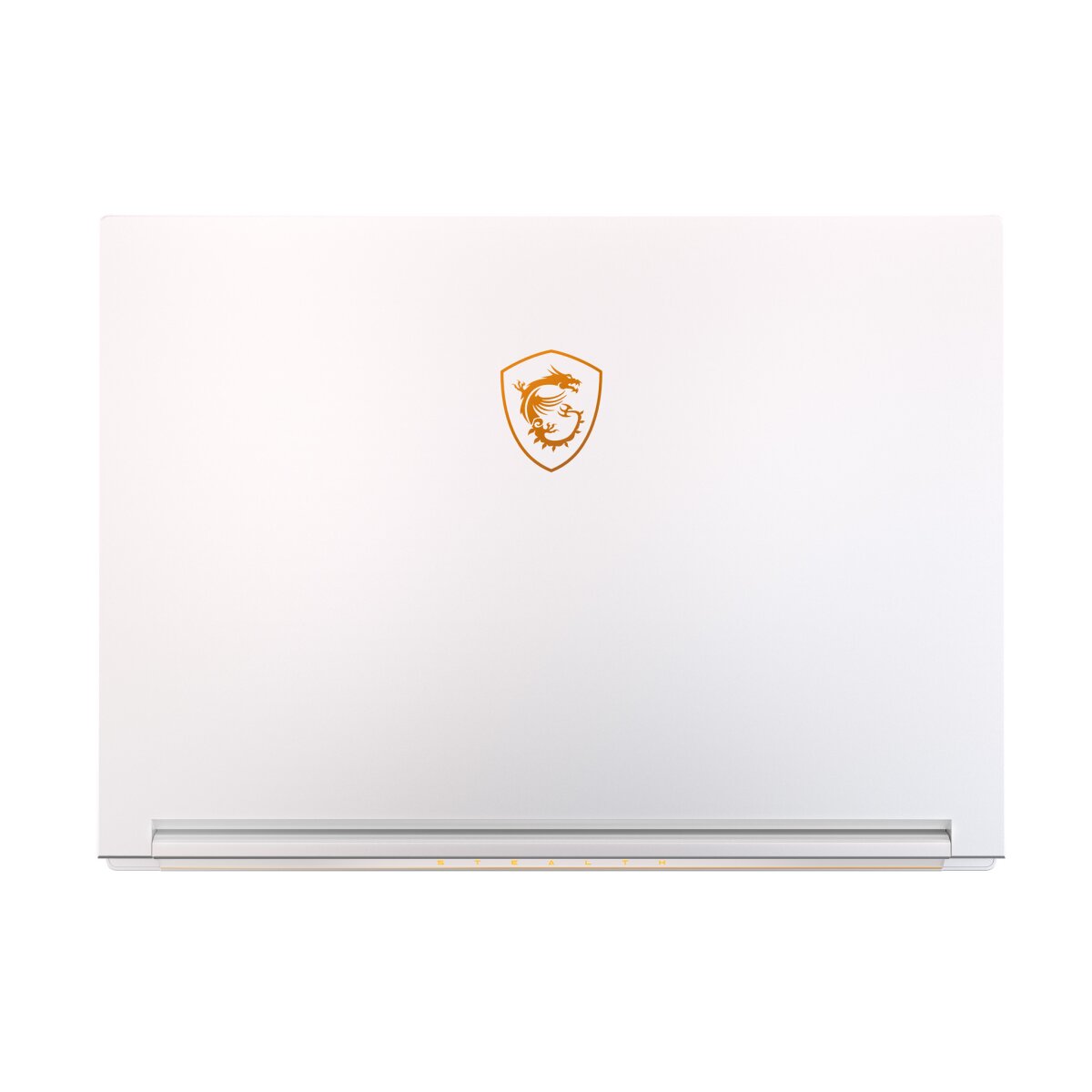
MSI Stealth 16 Studio laptops support DDR5-SDRAM memory upgrades with two SO-DIMM slots for maximum RAM capacity of 64 GB. Compatible memory modules operate at 5200 MHz frequency. Upgrade specifications enable users to install dual SO-DIMM DDR5 modules to enhance system memory performance. Maximum supported capacity reaches 64 GB total when both memory slots are populated with compatible DDR5-SDRAM modules.
Memory Upgrade Specifications
| Specification | Value |
|---|---|
| Memory slots | 2x SO-DIMM |
| Form factor | SO-DIMM |
| Memory type | DDR5-SDRAM |
| Frequency | 5200 MHz |
| Maximum RAM | 64 GB |
| Voltage | 1.1V |
| Number of pins | 262-pin |
| Interface | PC5 |
| PC Speed Rating | PC5-5200 (PC5-41600) |
| Bandwidth | 41.6 GB/s |
| Laptop Release date | 05 October 2023 |
Additional Notes
- The DDR5-5200 specification indicates this MSI Stealth 16 laptop operates on JEDEC standard base frequency, which ensures broad module compatibility but leaves headroom for higher-performance DDR5 variants that reach 6400 MHz or beyond in newer platforms.
- The 64 GB maximum capacity suggests a dual-channel configuration limited to 32 GB per SO-DIMM slot, requiring modules built with high-density memory chips that may carry premium pricing compared to standard 16 GB sticks.
- DDR5 SO-DIMM modules require voltage regulation circuits on the module itself rather than the motherboard, meaning replacement modules must incorporate proper PMIC components to maintain system stability under load.
- The 2-slot design eliminates upgrade flexibility beyond the initial installation, forcing users to replace both modules entirely when moving from lower to higher capacities rather than adding supplementary memory.
- Operating at 5200 MT/s transfers provides 41.6 GB/s bandwidth per channel, delivering 83.2 GB/s aggregate bandwidth in dual-channel mode, which benefits GPU-integrated workloads and memory-intensive applications more than general productivity tasks.
- SO-DIMM DDR5 modules at this frequency typically operate at 1.1V, generating less heat than DDR4 equivalents, though thermal considerations remain relevant in thin chassis designs where airflow around memory slots may be restricted.
- Installation requires verifying module height clearance beneath the chassis backplate or keyboard assembly, as some aftermarket DDR5 SO-DIMMs incorporate taller heat spreaders that interfere with compact laptop internals.
- The absence of error-correction code support in standard consumer DDR5 SO-DIMMs means bit-flip errors during operation will not self-correct, making module quality and manufacturer validation processes more critical for long-term reliability.
- Mixing modules with different CAS latencies or timing profiles may force the memory controller to default to JEDEC baseline timings, potentially negating performance gains from premium modules rated for tighter subtimings.
- Warranty preservation typically requires using modules certified for laptop deployment rather than desktop DIMM adapters or non-validated brands, as memory-induced instability can void coverage despite physical compatibility.