MSI Stealth A11UEK-228XES RAM upgrade specifications
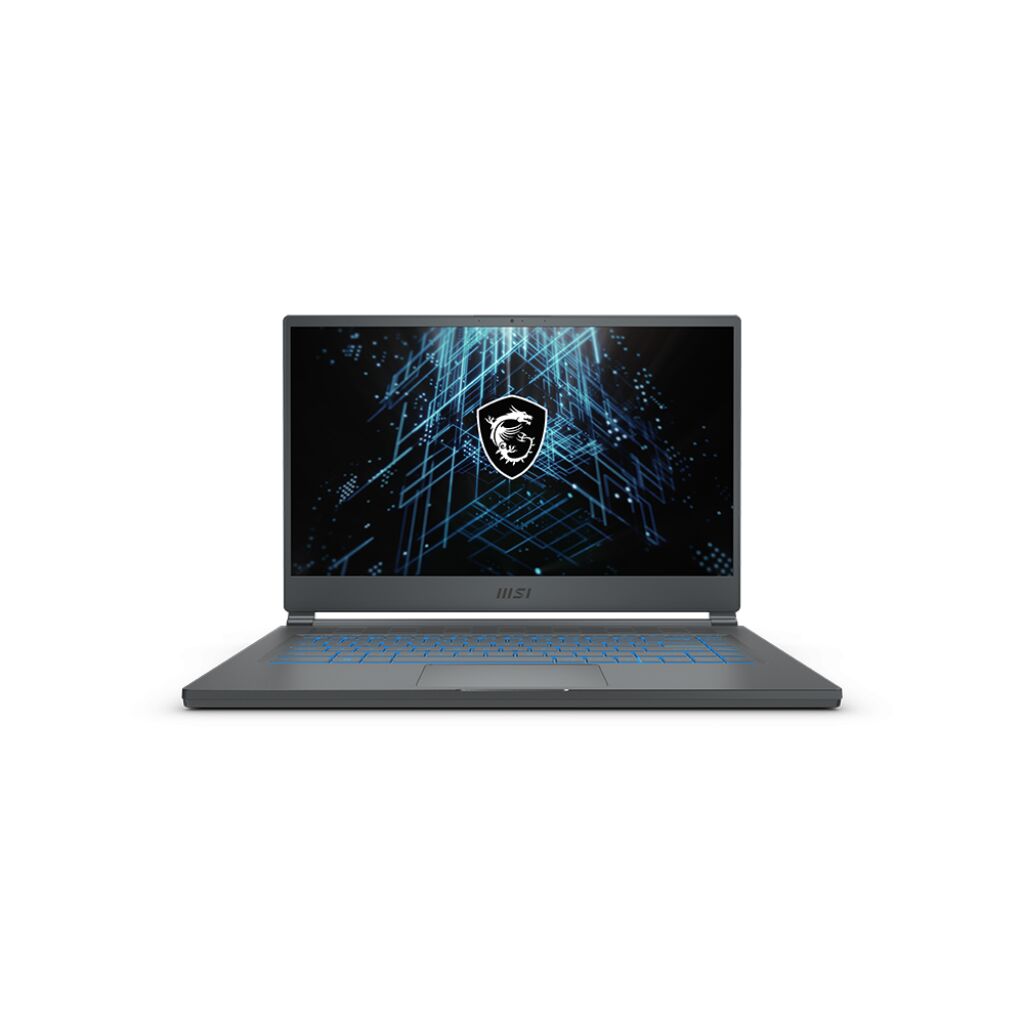
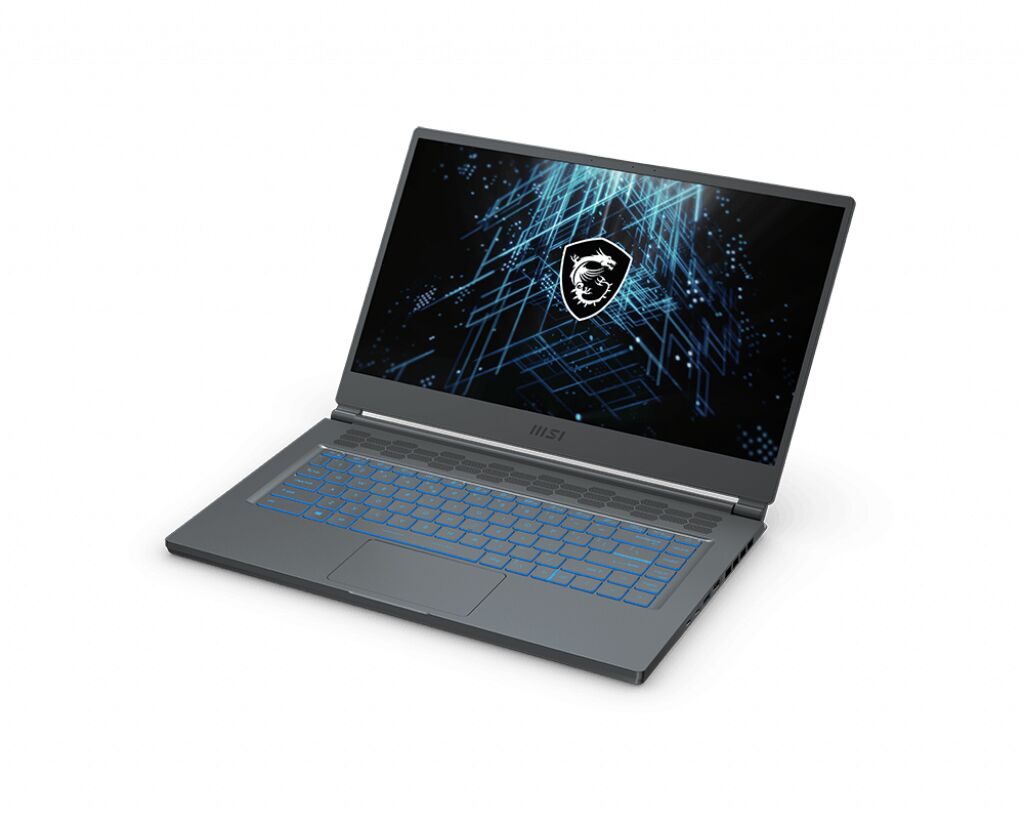
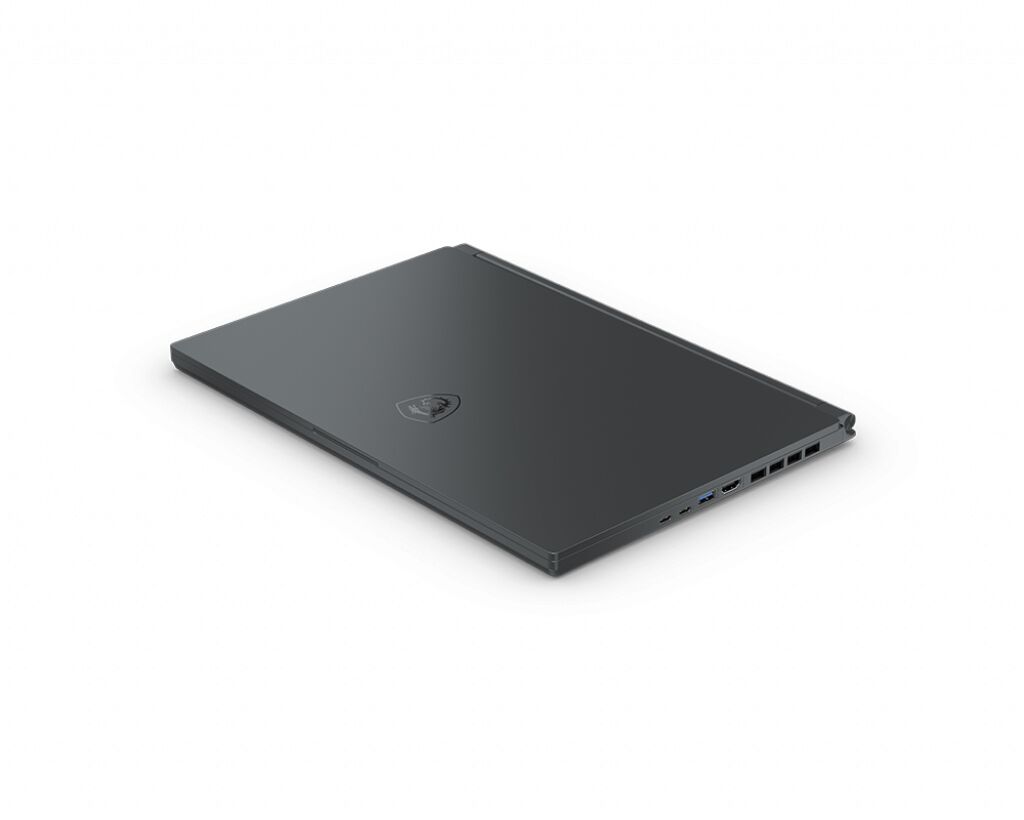
The MSI Stealth 15M A11UEK-228XES laptop features two SO-DIMM memory slots supporting DDR4-SDRAM upgrades at 3200 MHz frequency. Maximum RAM capacity reaches 64 GB, enabling memory expansion from the factory configuration. Compatible upgrades utilize SO-DIMM form factor modules. Specifications indicate dual-slot architecture for modular memory enhancement, supporting configurations up to the maximum 64 GB RAM capacity for the Stealth 15M series.
Memory Upgrade Specifications
| Specification | Value |
|---|---|
| Memory slots | 2x SO-DIMM |
| Form factor | SO-DIMM |
| Memory type | DDR4-SDRAM |
| Frequency | 3200 MHz |
| Maximum RAM | 64 GB |
| Voltage | 1.2V |
| Number of pins | 260-pin |
| Interface | PC4 |
| PC Speed Rating | PC4-3200 (PC4-25600) |
| Bandwidth | 25.6 GB/s |
| Laptop Release date | 01 April 2021 |
Additional Notes
- The 64 GB ceiling reflects both chipset addressing limits and motherboard trace design, preventing future expansion beyond this threshold regardless of module availability.
- DDR4-3200 operation requires XMP or JEDEC profile compatibility in the system BIOS, as modules default to lower speeds without proper SPD recognition.
- The MSI Stealth A11UEK-228XES relies on dual-channel architecture, making single module installations inefficient by halving memory bandwidth to the CPU.
- SO-DIMM slots positioned under the bottom panel typically require complete disassembly of cooling assemblies in gaming chassis, complicating user-serviceable upgrades.
- Mixing modules with different latency timings forces the memory controller to the slowest common denominator, degrading performance below rated specifications.
- The 3200 MHz specification represents maximum supported frequency, meaning compatibility with 2933 MHz or 2666 MHz modules exists through automatic downclocking.
- Warranty preservation depends on avoiding ESD damage during installation, as memory upgrades generally fall outside coverage despite being user-accessible components.
- Dual-rank module configurations in both slots may trigger stability issues at 3200 MHz due to increased electrical load on the memory controller.
- Native DDR4 support eliminates backward compatibility with DDR3L modules despite physical SO-DIMM form factor similarities, preventing accidental cross-generation installation.
- Heat dissipation in compact laptop enclosures limits effectiveness of modules with tall heat spreaders, creating physical clearance conflicts with keyboard assemblies.