MSI Workstation WE62 7RJ-2006XES RAM upgrade specifications
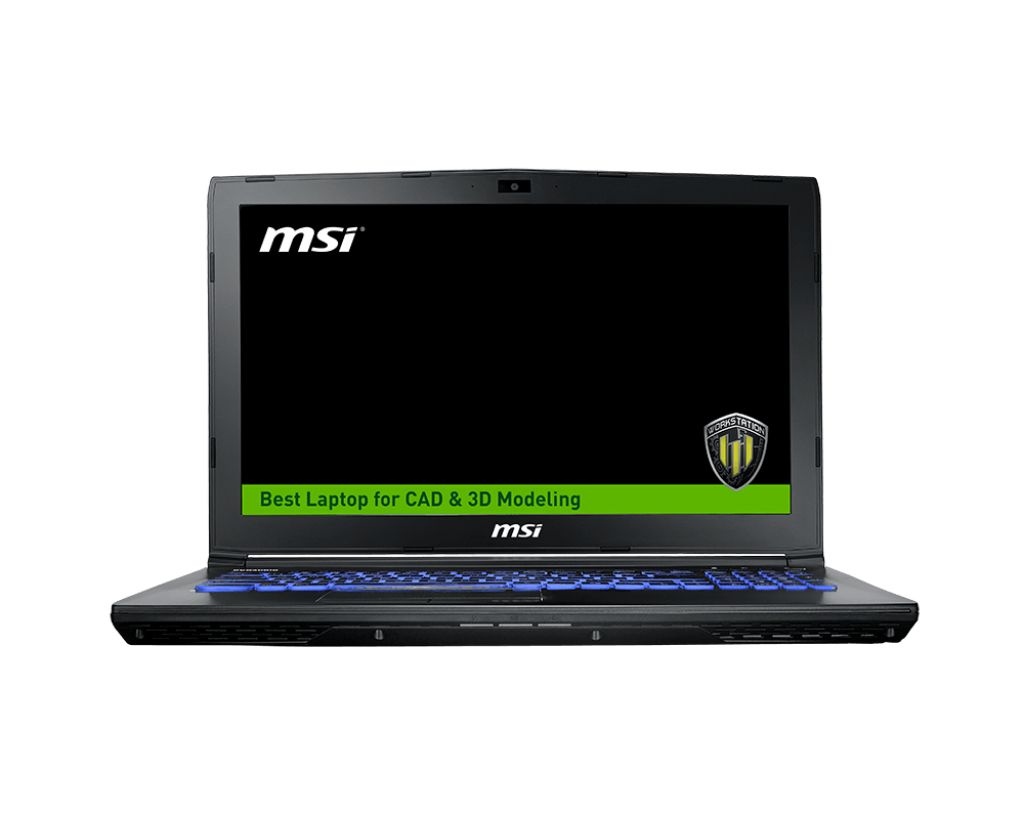
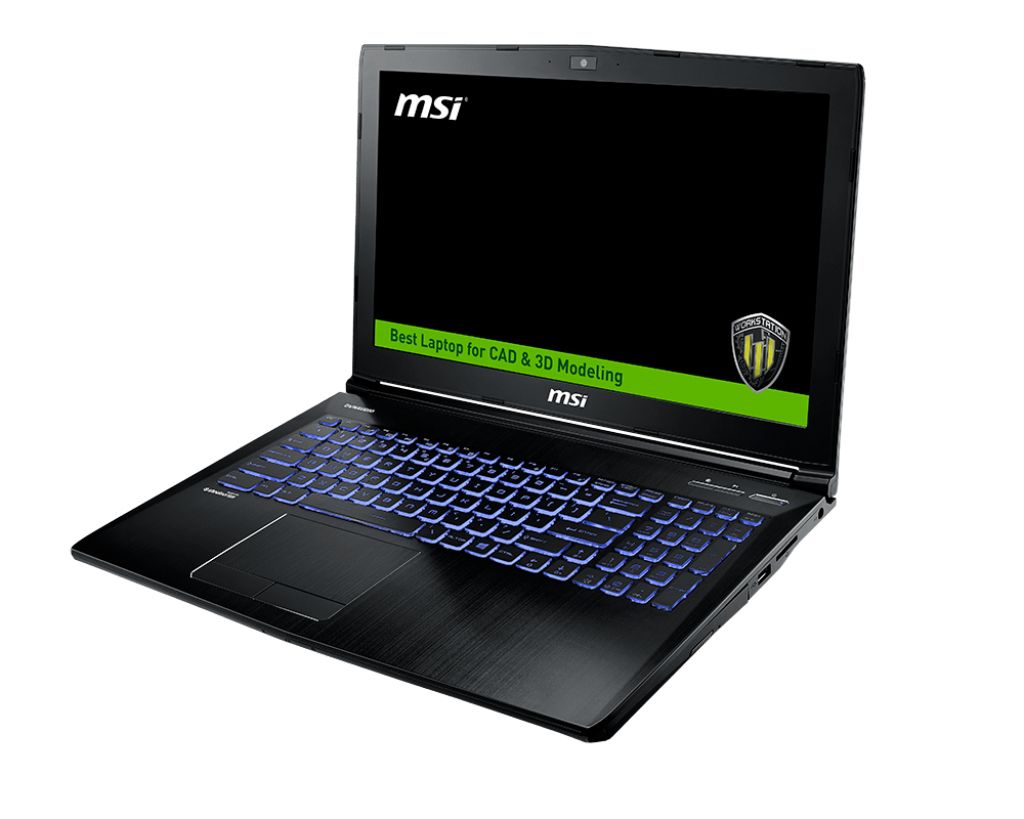
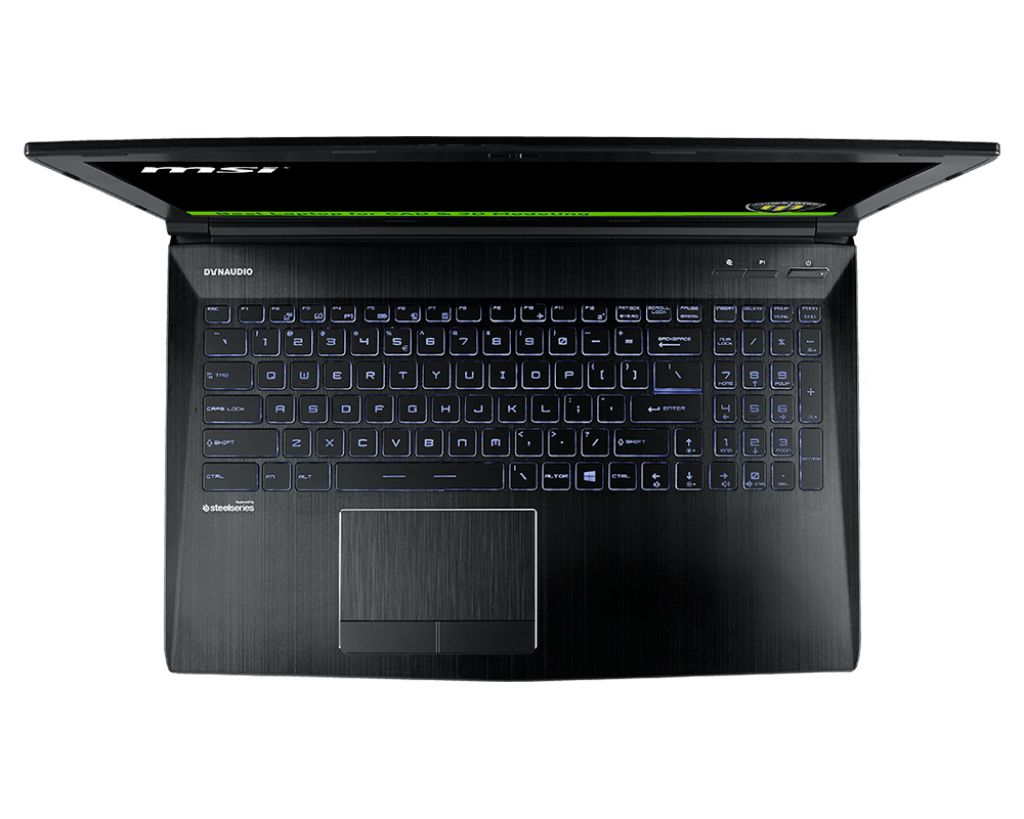
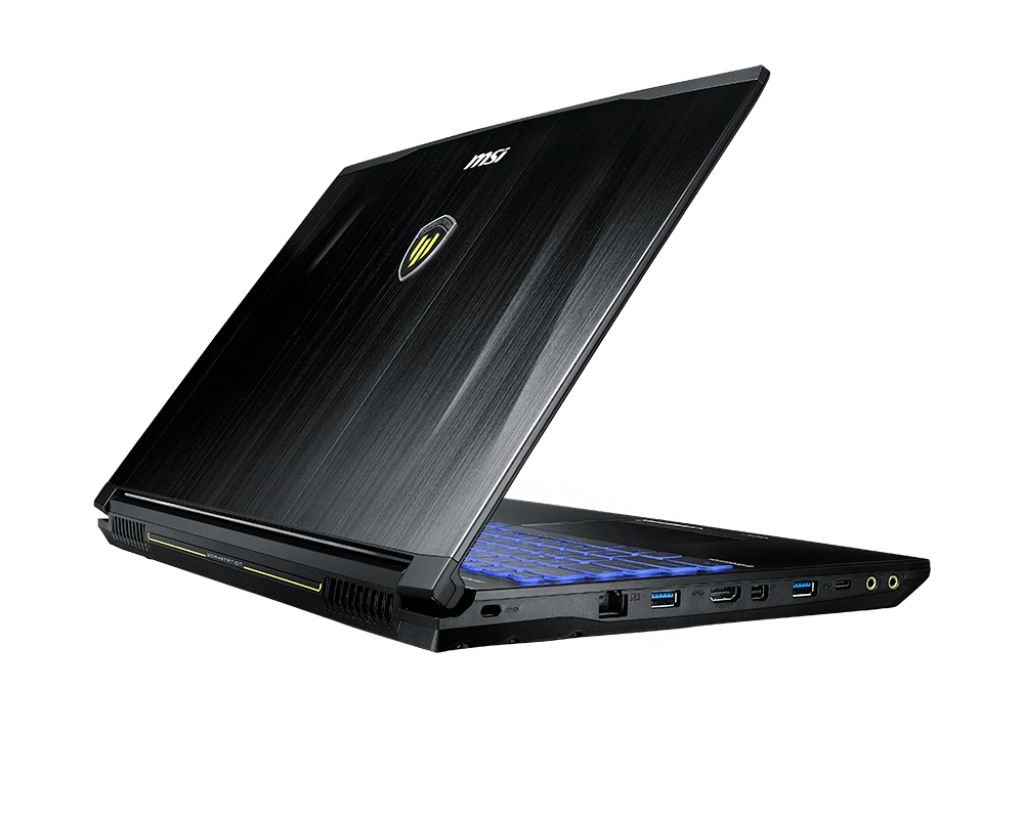
MSI WE62 7RJ-2006XES workstation features DDR4-SDRAM memory upgrade specifications with two SO-DIMM slots supporting maximum capacity of 32 GB. Compatible memory operates at 2400 MHz frequency. RAM upgrade for the WE62 series requires SO-DIMM form factor modules. Specifications indicate standard memory configurations supporting professional workstation applications and data-intensive tasks with expandable memory slots for enhanced system performance and multitasking capabilities.
Memory Upgrade Specifications
| Specification | Value |
|---|---|
| Memory slots | 2x SO-DIMM |
| Form factor | SO-DIMM |
| Memory type | DDR4-SDRAM |
| Frequency | 2400 MHz |
| Maximum RAM | 32 GB |
| Voltage | 1.2V |
| Number of pins | 260-pin |
| Interface | PC4 |
| PC Speed Rating | PC4-2400 (PC4-19200) |
| Bandwidth | 19.2 GB/s |
| Laptop Release date | 13 January 2018 |
Additional Notes
- The MSI WE62 workstation supports only 2 memory slots, imposing a 16 GB per-module ceiling to reach the 32 GB maximum. Single-slot upgrades cannot achieve full capacity expansion.
- DDR4-2400 MHz represents the baseline frequency tier for this generation. Faster DDR4 modules (2666 MHz, 2933 MHz, 3200 MHz) will operate at 2400 MHz due to memory controller limitations, eliminating performance gains from premium-speed alternatives.
- SO-DIMM form factor requires laptop-specific memory modules. Standard desktop DDR4 DIMMs are physically incompatible and cannot be force-fitted without causing permanent connector damage.
- Both memory slots occupy the same upgrade pathway. Replacing the factory-installed module with a 16 GB SO-DIMM and adding a second 16 GB module represents the only method to reach 32 GB capacity without full memory replacement.
- Workstation classification suggests ECC (Error-Correcting Code) memory compatibility, though not mandatory. Non-ECC and ECC modules can coexist, but mixing types disables error correction across the entire memory subsystem.
- The 2-slot configuration creates a symmetrical bottleneck: uneven capacity configurations (8 GB + 16 GB) operate in single-channel mode rather than dual-channel, reducing effective bandwidth by approximately 50 percent for memory-intensive workloads.