MSI Workstation WE62 7RJ-1889CA RAM upgrade specifications
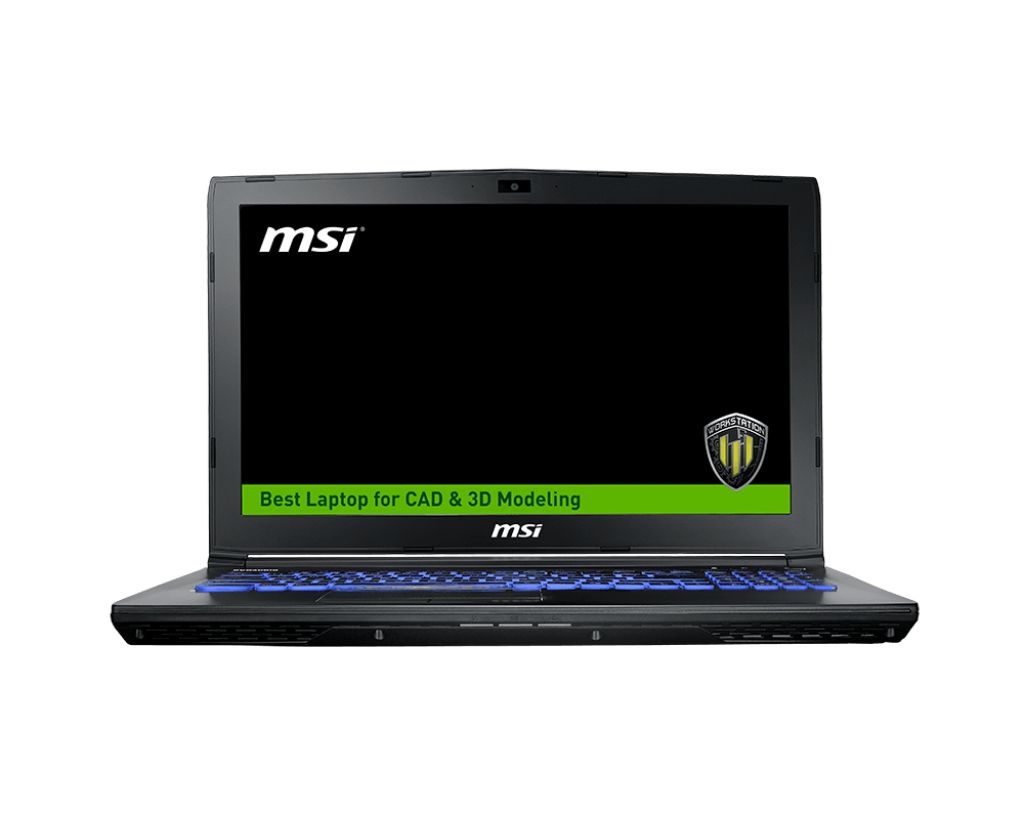
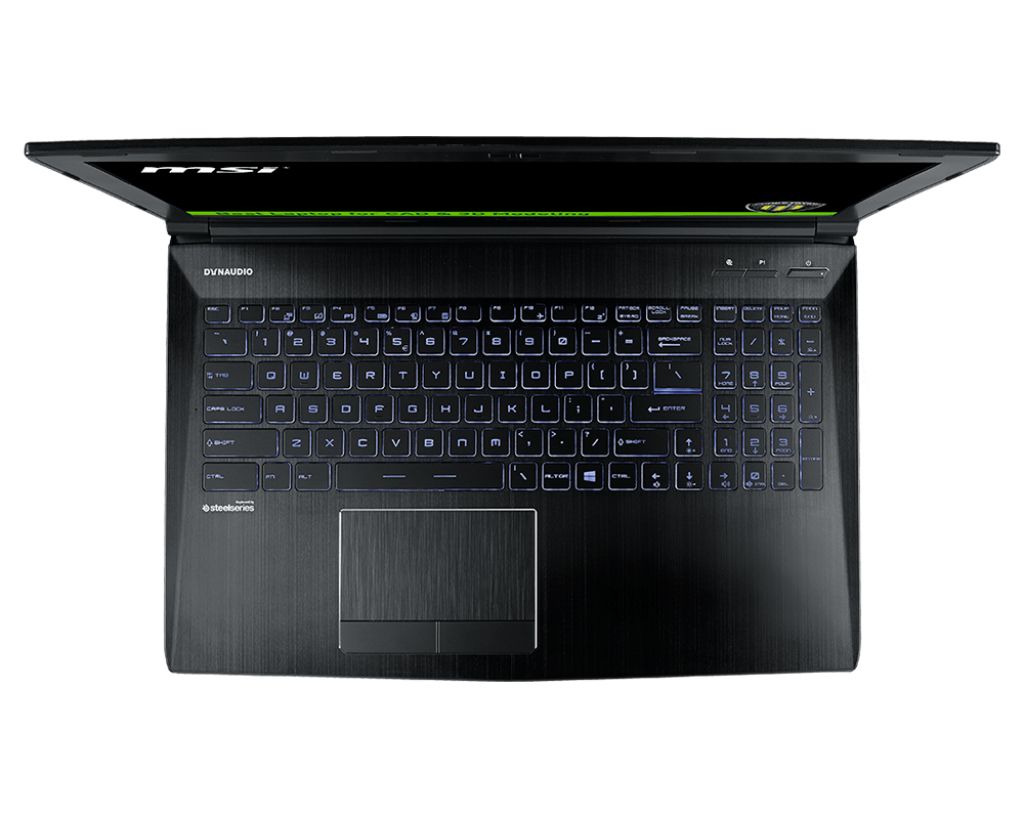
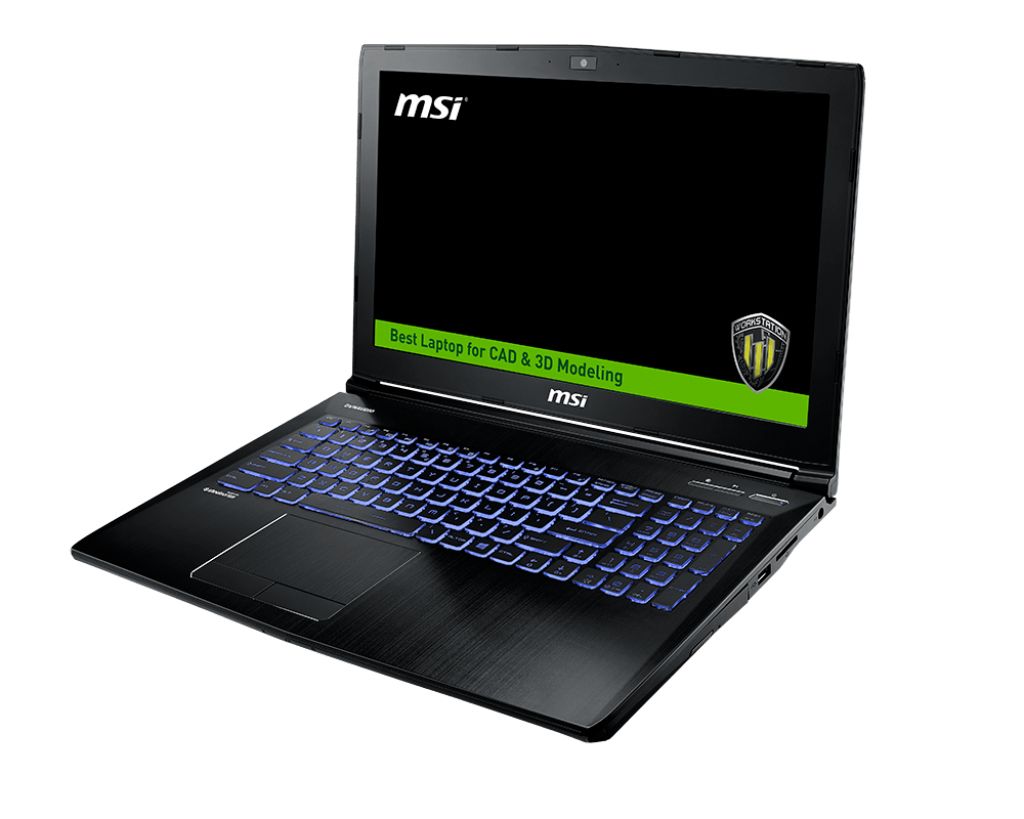

MSI WE62 7RJ-1889CA workstation memory upgrade specifications indicate two SO-DIMM slots supporting DDR4-SDRAM at 2400 MHz frequency. Maximum RAM capacity reaches 32 GB total when both memory slots are fully populated. Compatible upgrade modules utilize SO-DIMM form factor specifications. Current memory configuration allows for DDR4 RAM installation with frequency support at 2400 MHz standard specifications for enhanced workstation performance.
Memory Upgrade Specifications
| Specification | Value |
|---|---|
| Memory slots | 2x SO-DIMM |
| Form factor | SO-DIMM |
| Memory type | DDR4-SDRAM |
| Frequency | 2400 MHz |
| Maximum RAM | 32 GB |
| Voltage | 1.2V |
| Number of pins | 260-pin |
| Interface | PC4 |
| PC Speed Rating | PC4-2400 (PC4-19200) |
| Bandwidth | 19.2 GB/s |
| Laptop Release date | 21 March 2018 |
Additional Notes
- The MSI WE62 7RJ-1889CA contains 2 SO-DIMM slots, meaning both slots must be populated to reach the 32 GB maximum; adding a single module leaves substantial capacity underutilized due to the dual-channel architecture requirement for optimal memory bandwidth.
- DDR4-2400 memory operates at a lower frequency than contemporary DDR4 standards (2666 MHz and higher), creating a performance ceiling that persists regardless of module upgrades; bandwidth constraints may surface under sustained multi-threaded workloads typical in professional applications.
- SO-DIMM form factor restricts upgrade options to laptop-specific modules; desktop DDR4 components cannot be physically inserted, eliminating cross-compatibility with surplus inventory from desktop systems.
- Upgrading both SO-DIMM slots to maximum capacity (2x16 GB) requires purchasing matched pairs; single-module replacements risk compatibility failures if the existing module's manufacturer, PCB layout, or timing specifications differ from the new component.
- Workstation classification implies ECC memory support may be available; non-ECC DDR4-2400 SO-DIMMs are widely available and compatible, but ECC variants offer data integrity benefits for long-running computational tasks and warrant verification against the system BIOS documentation before purchase.
- The 2400 MHz specification represents a hard ceiling enforced by the 7th-generation Intel platform; overclocking memory frequency beyond this rated speed on this architecture introduces stability risks without manufacturer warranty coverage.
- Thermal considerations in the SO-DIMM slots may restrict module height; low-profile or standard-height heat spreaders should be confirmed during selection, as oversized components risk contact with adjacent internal components or impede reassembly.