MSI Workstation WE73 8SJ-269FR RAM upgrade specifications
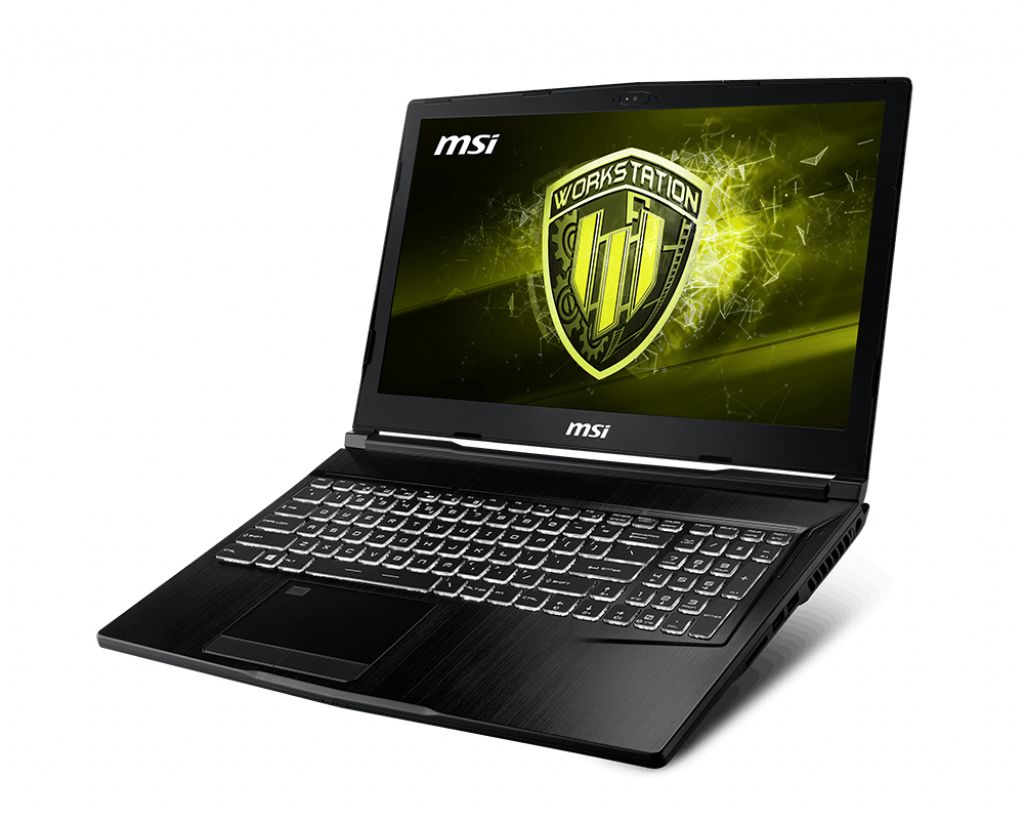
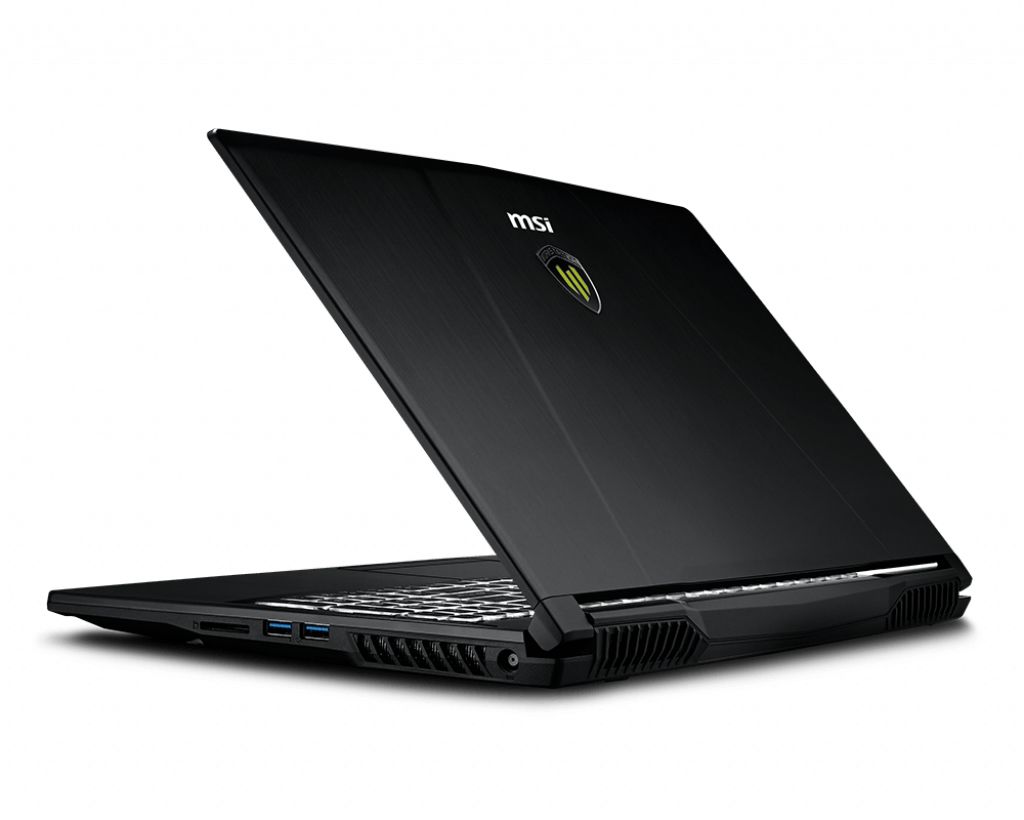
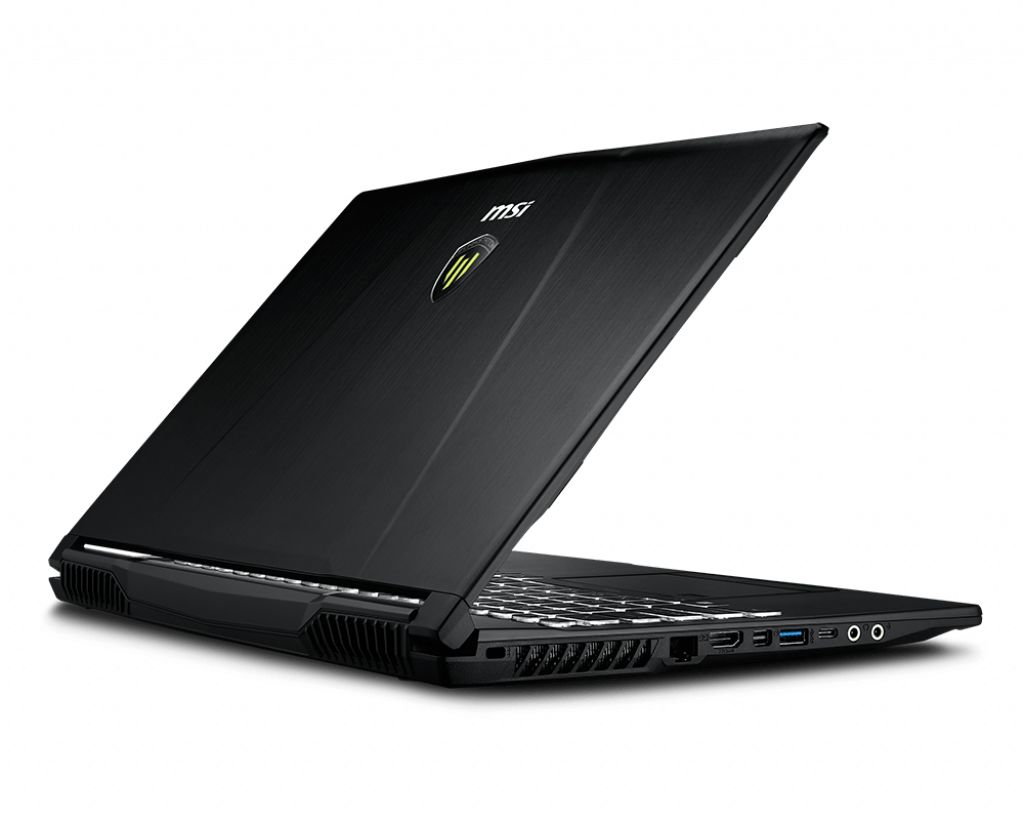
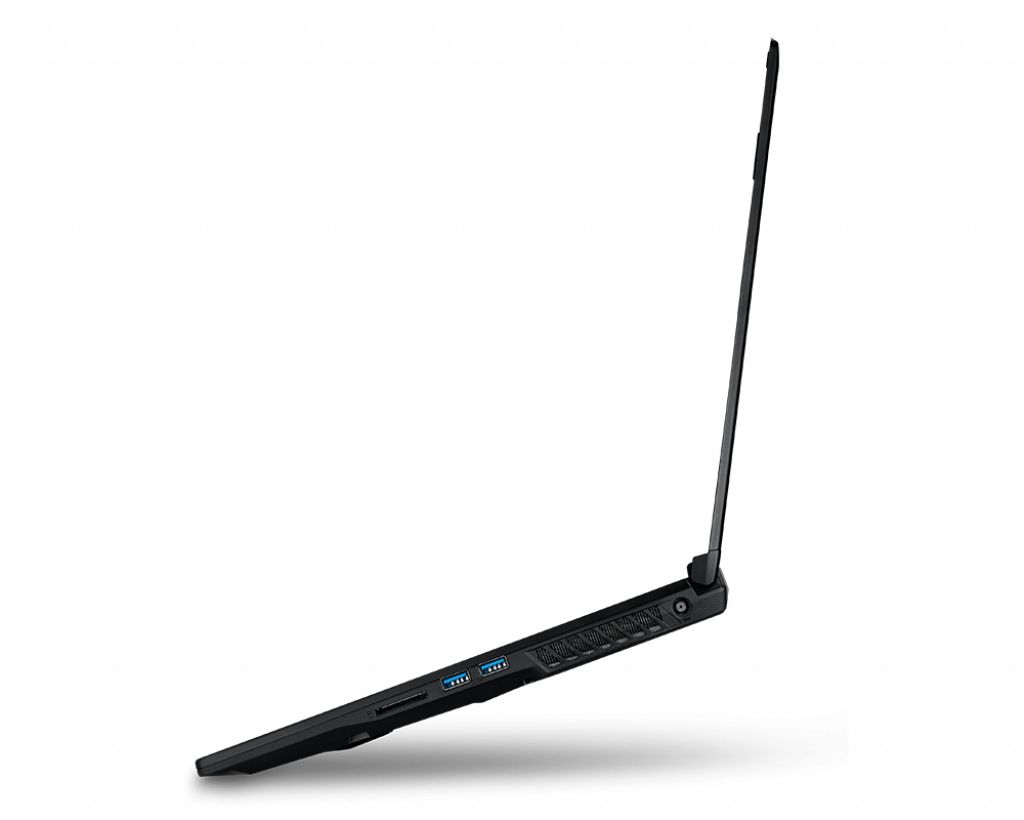
The MSI WE73 8SJ-269FR workstation features DDR4-SDRAM memory upgrade capabilities with 2x SO-DIMM slots supporting maximum capacity of 64 GB. Compatible RAM operates at 2400 MHz frequency using SO-DIMM form factor. Current memory specifications allow RAM upgrades to enhance system performance for professional computing tasks on this workstation series model.
Memory Upgrade Specifications
| Specification | Value |
|---|---|
| Memory slots | 2x SO-DIMM |
| Form factor | SO-DIMM |
| Memory type | DDR4-SDRAM |
| Frequency | 2400 MHz |
| Maximum RAM | 64 GB |
| Voltage | 1.2V |
| Number of pins | 260-pin |
| Interface | PC4 |
| PC Speed Rating | PC4-2400 (PC4-19200) |
| Bandwidth | 19.2 GB/s |
| Laptop Release date | 23 March 2019 |
Additional Notes
- The MSI WE73 8SJ-269FR contains 2 SO-DIMM slots with no additional memory expansion ports, establishing a hard ceiling of 64 GB total capacity regardless of future module availability.
- DDR4-2400 MHz modules operate at reduced speeds relative to modern DDR4 standards (3200+ MHz typical), meaning any replacement or upgrade modules will downclock to this frequency regardless of their rated specifications, resulting in foregone bandwidth of approximately 800 MHz per module.
- SO-DIMM form factor is exclusive to compact mobile and portable workstations; desktop DDR4 modules (UDIMM) are physically incompatible and cannot be force-fitted without causing permanent socket or module damage.
- Upgrading from factory configuration to maximum capacity requires removing existing memory entirely, as the 2-slot architecture permits no mixed-capacity installation strategy that preserves original modules in secondary slots.
- The 64 GB maximum constraint indicates this workstation uses a 7th or 8th generation Intel processor with 6-core or lower configuration, as higher core-count variants in that era supported identical memory limits through firmware constraints rather than socket limitations.
- DDR4-2400 latency characteristics (typical CAS 17) introduce measurable performance drag in GPU-accelerated compute workflows and large-dataset processing common to professional rendering and CAD operations.
- Memory upgrade paths remain warranty-safe when using modules meeting DDR4 SO-DIMM specifications and voltage ratings (1.2V standard); non-ECC and ECC modules are interchangeable at the physical level but may trigger BIOS compatibility warnings.