MSI Workstation WE72 7RJ-1080CA RAM upgrade specifications
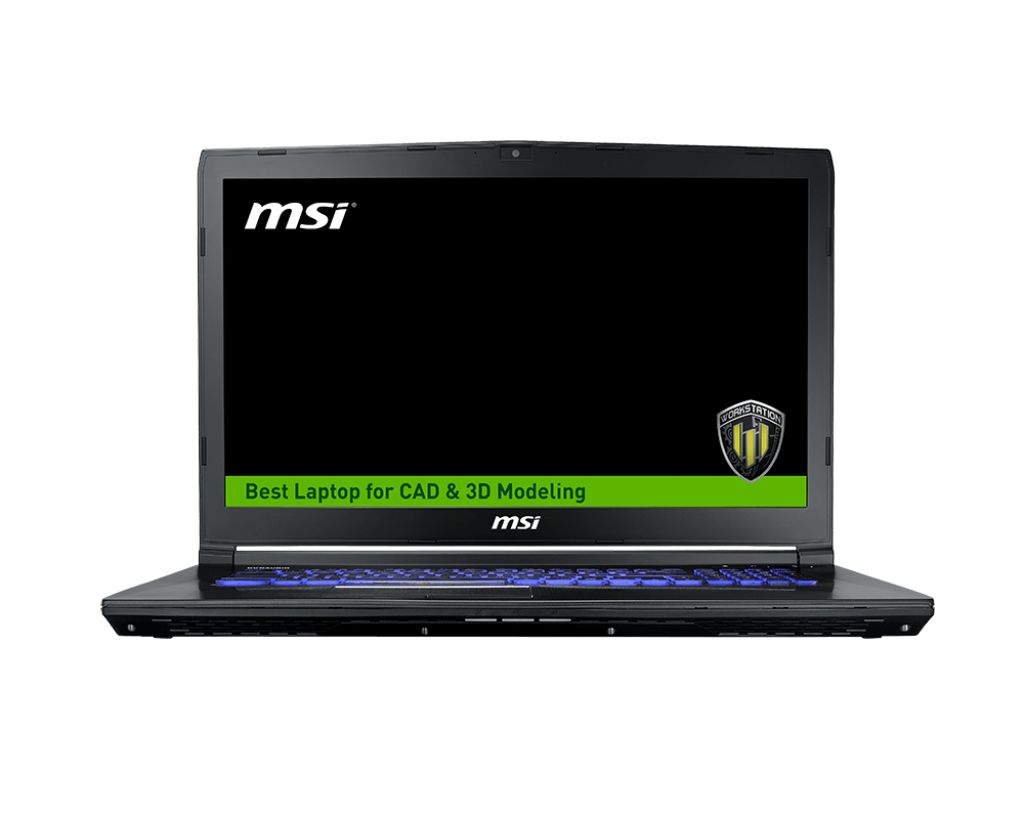
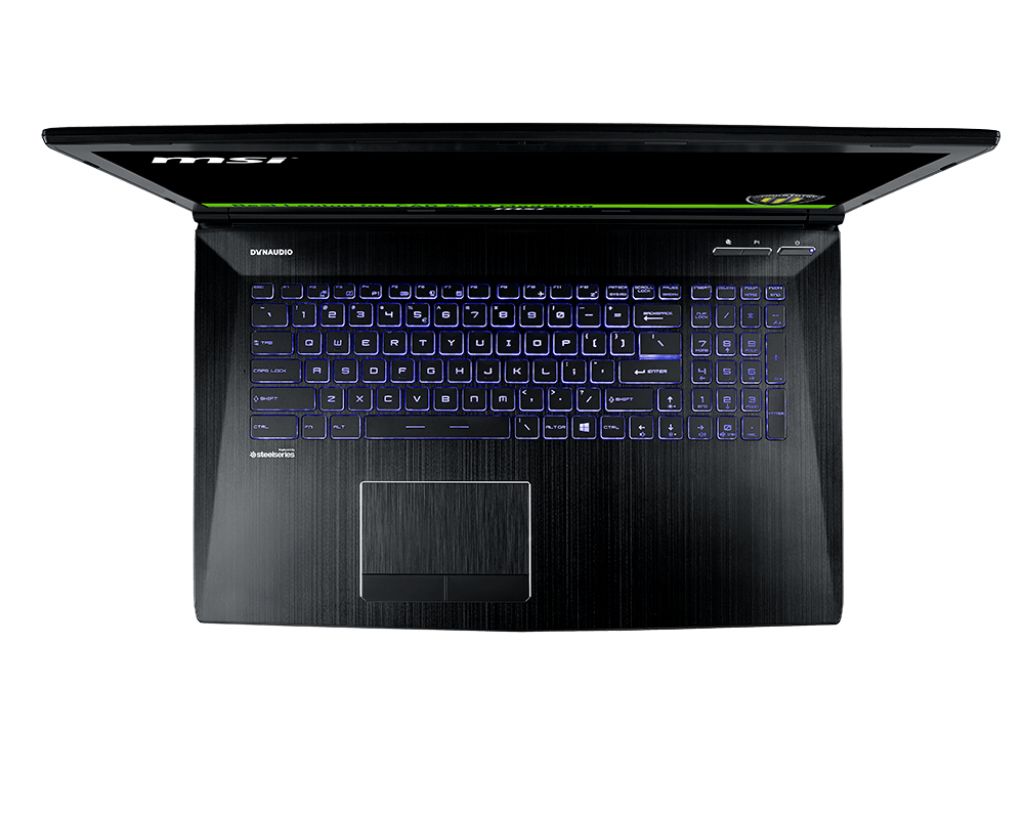
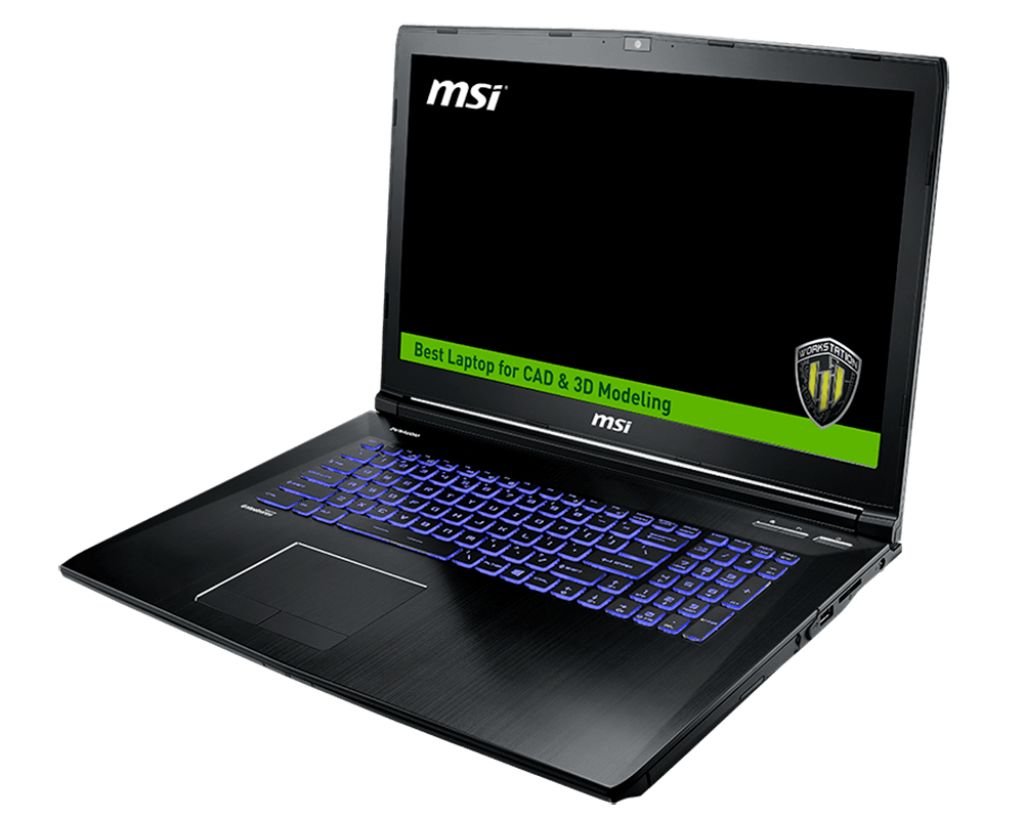
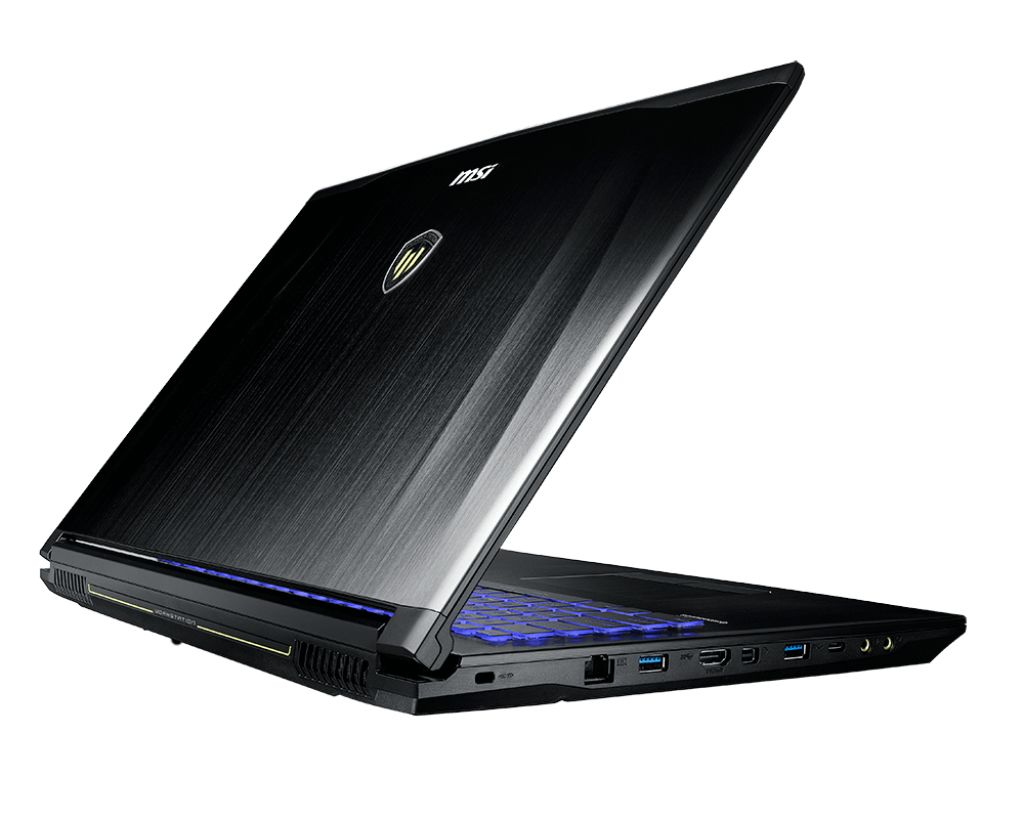
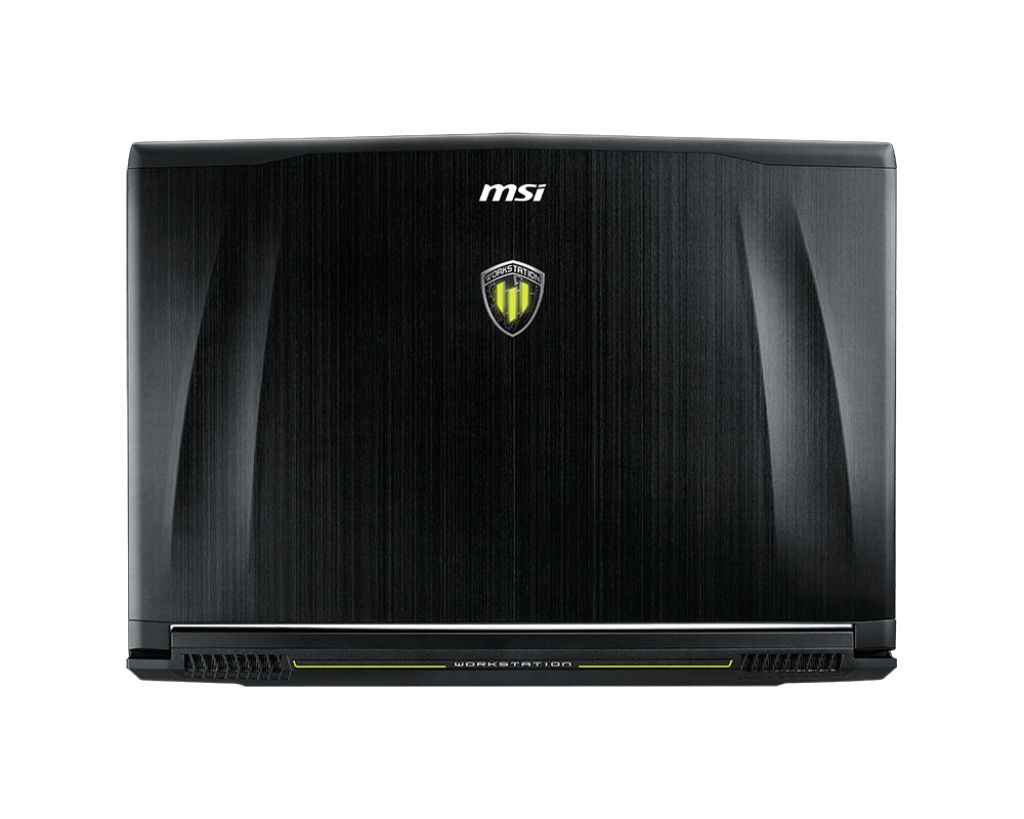
MSI WE72 7RJ-1080CA workstation features DDR4-SDRAM memory upgrade specifications with two SO-DIMM slots supporting maximum RAM capacity of 32 GB. Compatible memory operates at 2400 MHz frequency. RAM upgrade on WE72 series requires DDR4 SO-DIMM modules. Specifications indicate maximum memory expansion capacity and slot configuration for this MSI workstation model.
Memory Upgrade Specifications
| Specification | Value |
|---|---|
| Memory slots | 2x SO-DIMM |
| Form factor | SO-DIMM |
| Memory type | DDR4-SDRAM |
| Frequency | 2400 MHz |
| Maximum RAM | 32 GB |
| Voltage | 1.2V |
| Number of pins | 260-pin |
| Interface | PC4 |
| PC Speed Rating | PC4-2400 (PC4-19200) |
| Bandwidth | 19.2 GB/s |
| Laptop Release date | 21 March 2018 |
Additional Notes
- The MSI WE72 7RJ-1080CA workstation supports only 2 SO-DIMM slots, meaning maximum capacity expansion is fixed at 32 GB total; no additional memory slots exist for future growth beyond this ceiling.
- DDR4-2400 MHz frequency represents the native specification for this generation, but DDR4 modules rated for 2666 MHz or 3200 MHz will function through automatic downclocking to 2400 MHz, incurring no performance penalty since the motherboard controller locks to its rated speed regardless of module capability.
- SO-DIMM form factor constrains module selection to laptop-specific memory; standard desktop DDR4 DIMMs are physically incompatible and will not seat in the available slots.
- Dual-slot architecture creates a single point of failure risk; loss or failure of one module reduces total capacity to half, whereas systems with 4+ slots distribute this risk across more independent components.
- The 32 GB ceiling aligns with workstation-class tasks but represents a hard limit; applications requiring sustained memory allocation above this threshold cannot run on this hardware without external solutions such as pagefile expansion or offloading to secondary storage, which incurs significant latency penalties.
- Populating both slots symmetrically (16 GB + 16 GB) enables dual-channel operation, optimizing bandwidth throughput for memory-intensive CAD and rendering workflows; asymmetrical configurations (8 GB + 16 GB) function but degrade to single-channel performance on the smaller module.