MSI Workstation WE659TI-007 RAM upgrade specifications


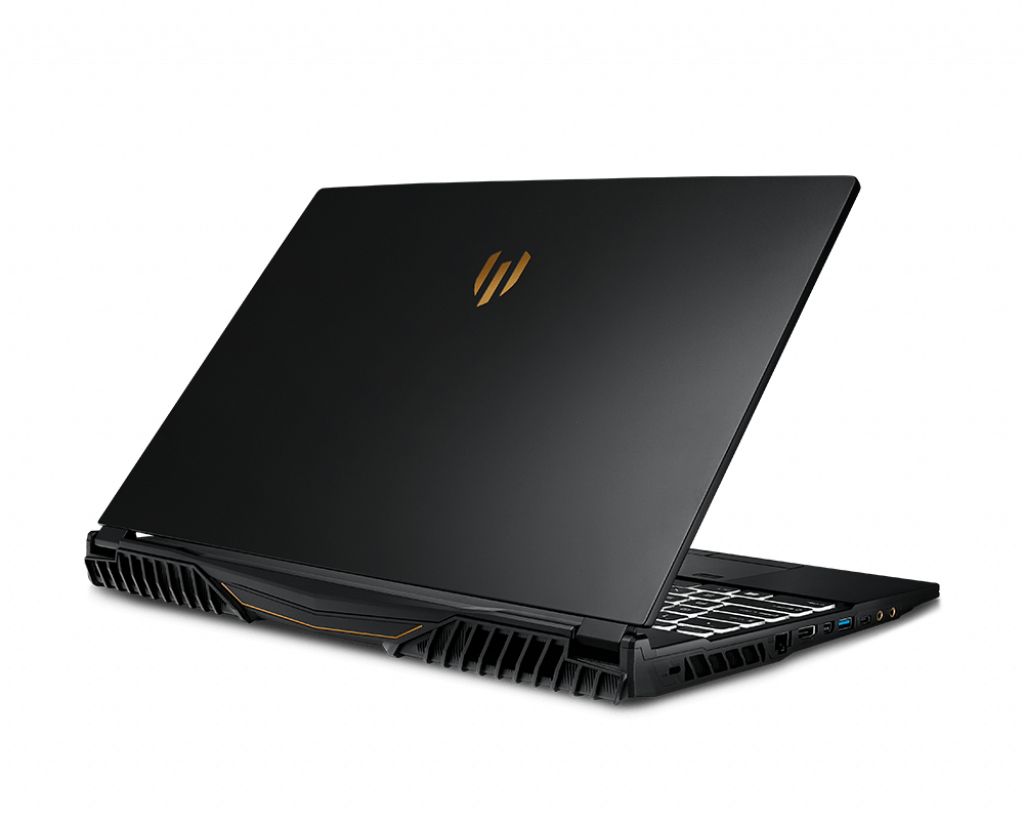

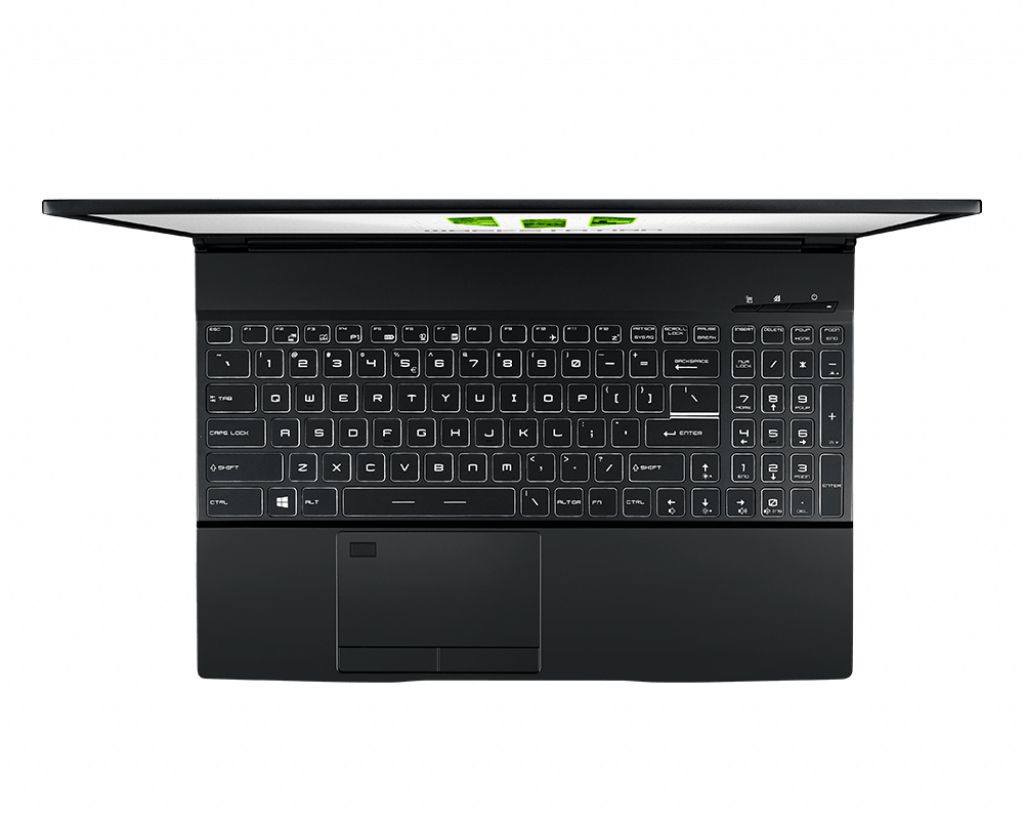
MSI WE659TI-007 workstation features two SO-DIMM memory slots supporting DDR4-SDRAM modules. Maximum RAM capacity reaches 32 GB total. Compatible memory specifications include DDR4 operating at 2666 MHz frequency. The WE65 series workstation supports memory upgrades via these dual slots, allowing users to expand RAM capacity up to the maximum supported specifications. Upgrade configurations must utilize compatible DDR4-SDRAM modules in SO-DIMM form factor to ensure proper functionality with the MSI WE659TI-007 system.
Memory Upgrade Specifications
| Specification | Value |
|---|---|
| Memory slots | 2x SO-DIMM |
| Form factor | SO-DIMM |
| Memory type | DDR4-SDRAM |
| Frequency | 2666 MHz |
| Maximum RAM | 32 GB |
| Voltage | 1.2V |
| Number of pins | 260-pin |
| Interface | PC4 |
| PC Speed Rating | PC4-2666 (PC4-21328) |
| Bandwidth | 21.3 GB/s |
| Laptop Release date | 10 July 2019 |
Additional Notes
- The MSI WE659TI workstation operates with a 2-slot SO-DIMM architecture, creating a constraint where maximum capacity (32 GB) requires both slots to be populated with 16 GB modules, leaving no expansion pathway for future memory additions without replacing existing DIMMs.
- DDR4-2666 MHz specification indicates the memory controller locked to this frequency; upgrading to higher-speed DDR4 modules (3000 MHz or above) will result in automatic downclocking to 2666 MHz, making premium-tier RAM investment inefficient.
- SO-DIMM form factor restricts upgrade eligibility to low-profile mobile-grade memory modules only; standard 288-pin UDIMM modules used in desktop workstations are physically incompatible and will not seat in the motherboard slots.
- The 32 GB ceiling combined with 2-slot configuration establishes a hard memory limitation for workloads requiring >32 GB address space; no amount of module substitution can overcome this architectural boundary.
- Populated slots occupy approximately 1.4 inches of clearance vertically; verification of available height near the memory area becomes necessary if heatspreader-equipped DDR4 modules are being considered, as some feature taller thermal designs that may interfere with adjacent components.
- Factory-specified 2666 MHz frequency suggests validation testing was performed at this speed; running mismatched frequency pairs (for example, one 2400 MHz and one 2666 MHz module) may trigger BIOS stability warnings or force both modules to the lower frequency, reducing effective bandwidth uniformly.