MSI Workstation WF65 10TI-444 RAM upgrade specifications
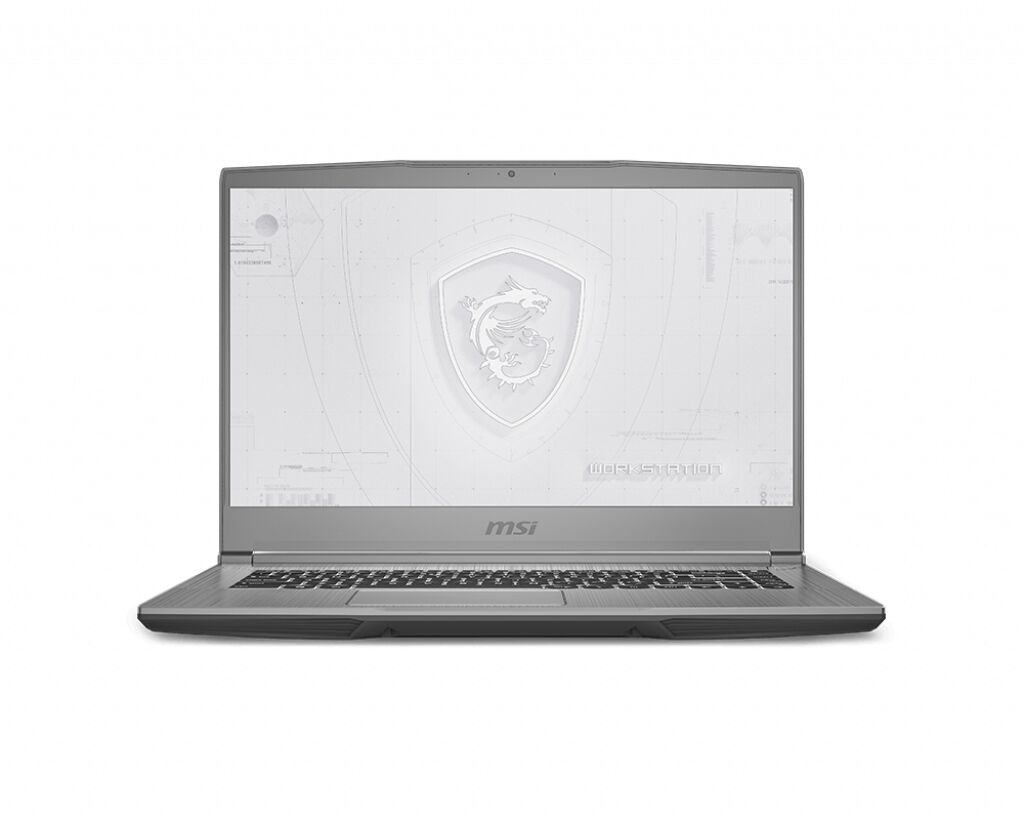

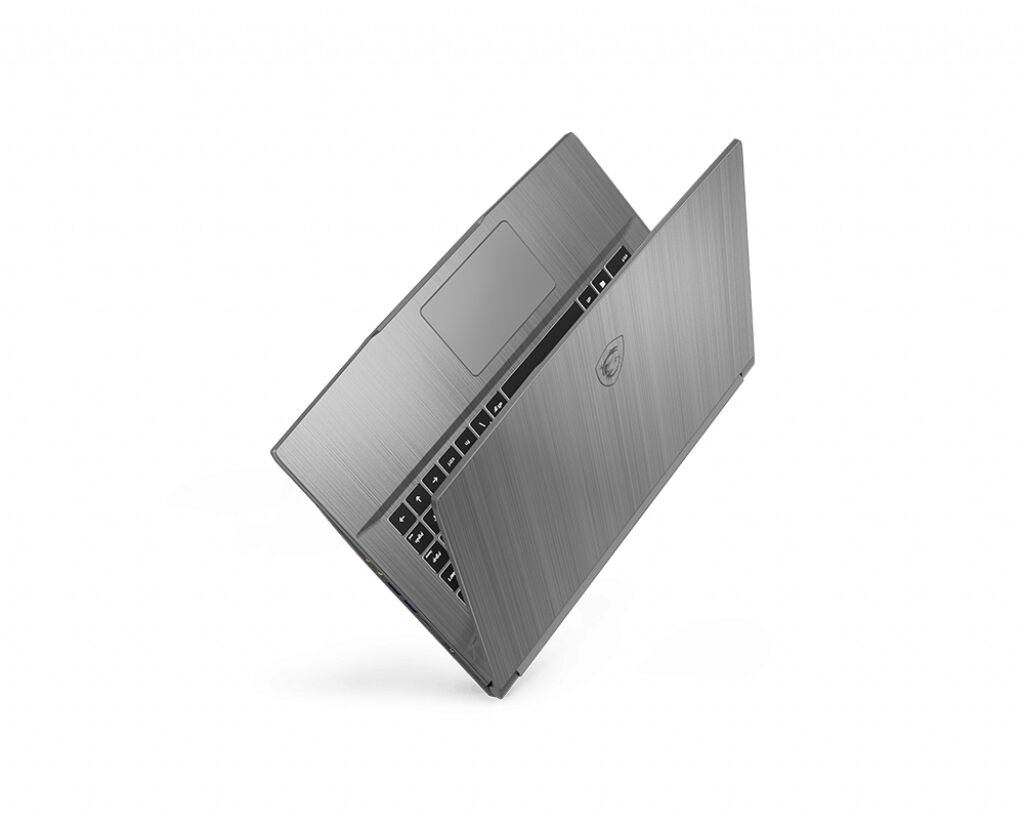
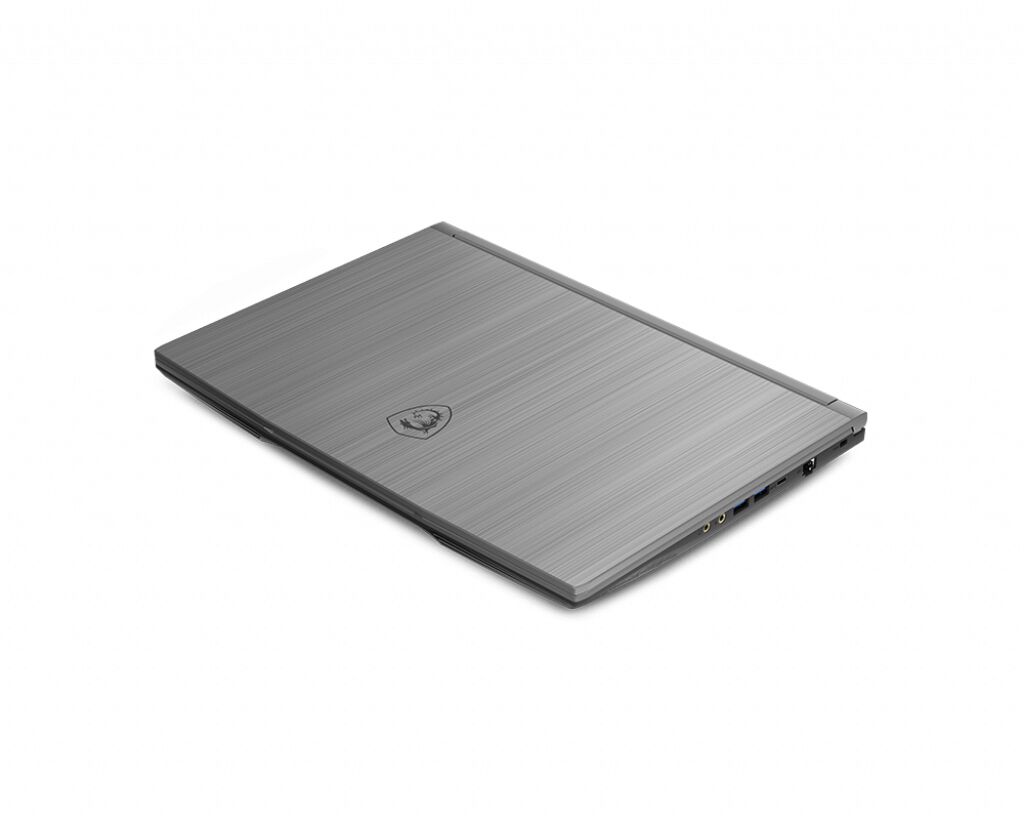
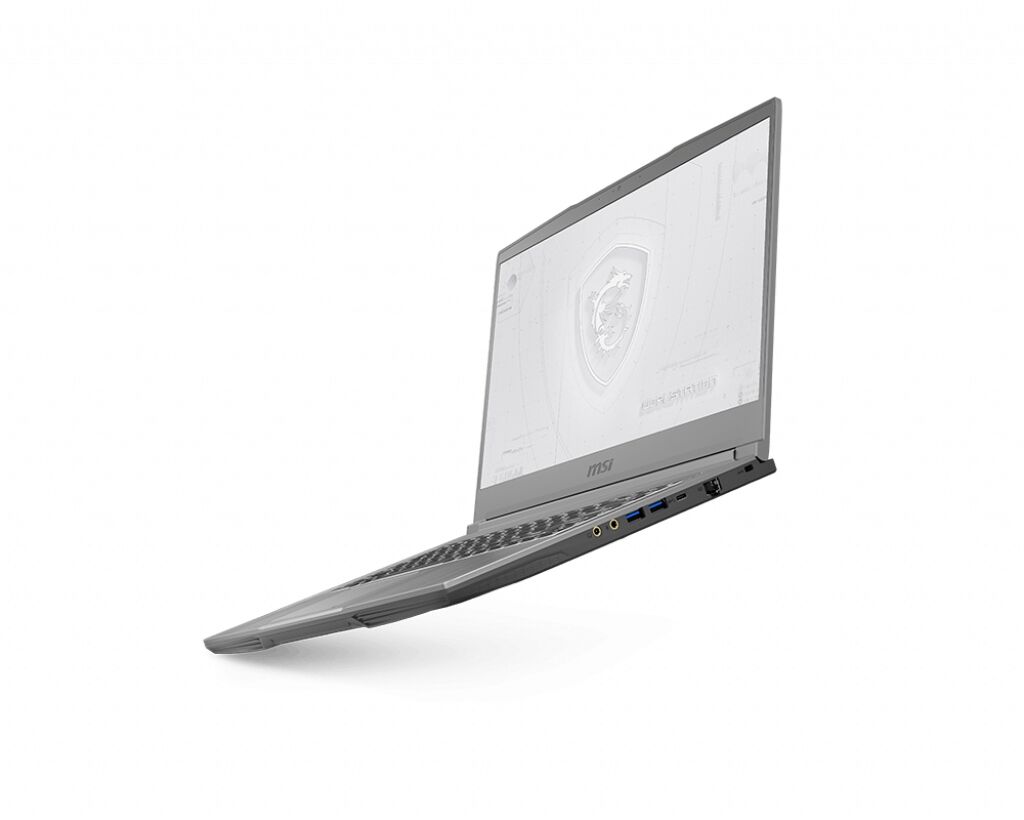
The MSI WF65 10TI-444 workstation features two SO-DIMM slots for DDR4-SDRAM memory expansion. The RAM upgrade specifications indicate a maximum memory capacity of 64 GB total, with compatible modules operating at 2666 MHz frequency. The WF65 series supports DDR4 SO-DIMM form factor memory for laptop upgrading, enabling users to expand the system's memory capacity according to workstation requirements and performance specifications.
Memory Upgrade Specifications
| Specification | Value |
|---|---|
| Memory slots | 2x SO-DIMM |
| Form factor | SO-DIMM |
| Memory type | DDR4-SDRAM |
| Frequency | 2666 MHz |
| Maximum RAM | 64 GB |
| Voltage | 1.2V |
| Number of pins | 260-pin |
| Interface | PC4 |
| PC Speed Rating | PC4-2666 (PC4-21328) |
| Bandwidth | 21.3 GB/s |
| Laptop Release date | 22 July 2020 |
Additional Notes
- The MSI WF65 10TI-444 workstation uses SO-DIMM memory modules rather than standard DIMM slots, restricting upgrades to laptop-grade RAM and eliminating compatibility with desktop memory sticks.
- With 2 memory slots at 64 GB maximum capacity, each module must support 32 GB density to reach the upper limit, a specification not universally available across all DDR4-SDRAM product lines and may require sourcing from premium or workstation-specific manufacturers.
- The 2666 MHz specification indicates DDR4 JEDEC standard compliance rather than overclocked performance, meaning faster modules (3000 MHz, 3200 MHz) will downclock to 2666 MHz, resulting in wasted capability and potential cost inefficiency if high-speed RAM is purchased.
- Single-channel operation becomes a bottleneck if only 1 slot is populated during upgrades; the workstation requires both SO-DIMM slots occupied to achieve dual-channel bandwidth, which impacts memory throughput for workload-intensive applications.
- Upgrading beyond the factory configuration typically voids certain manufacturer warranty provisions; installing third-party RAM should use modules explicitly certified for this platform or from vendors offering workstation-grade compatibility guarantees.
- Memory expansion cannot address CPU-to-memory latency constraints inherent in the 10th-generation Intel architecture paired with 2666 MHz timing; performance gains will be capacity-dependent rather than speed-dependent for mixed workloads.