MSI Workstation WF65 10TJ-443 RAM upgrade specifications
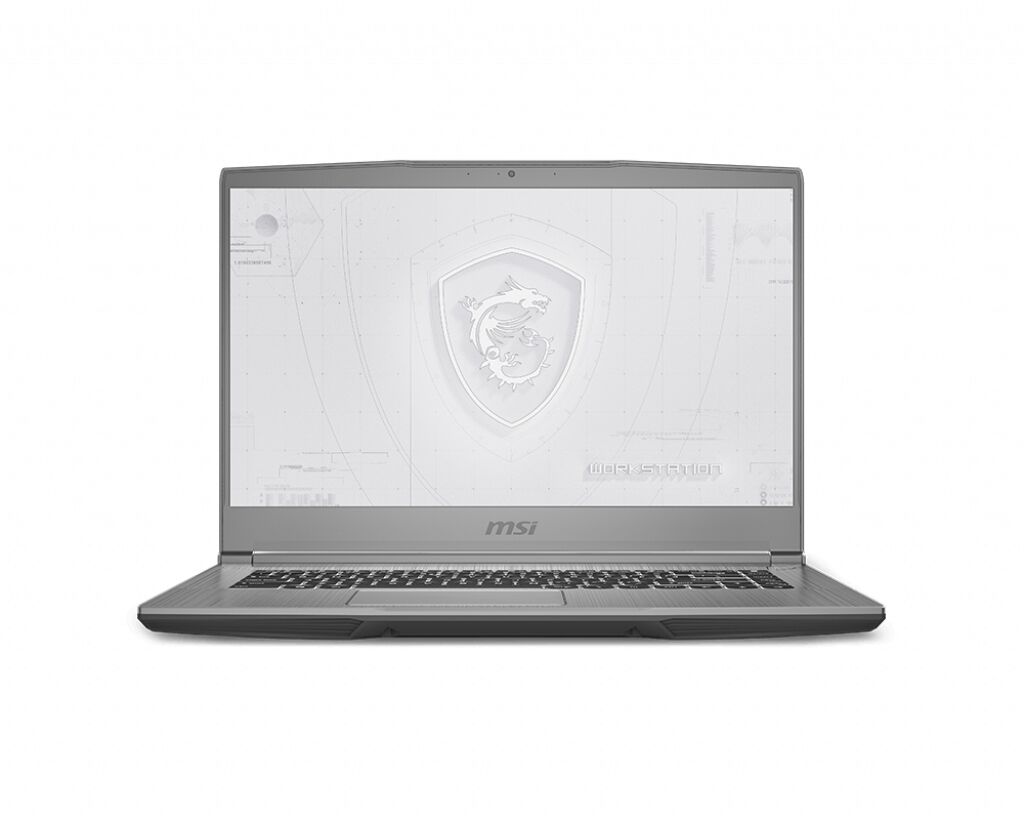
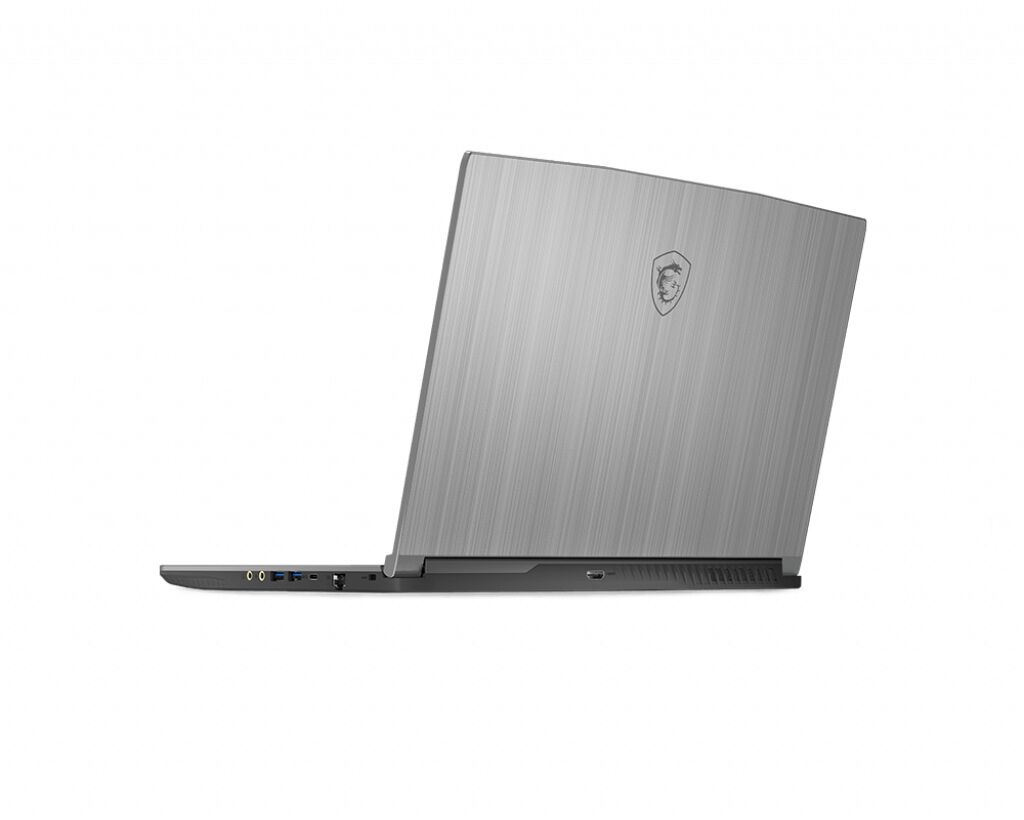
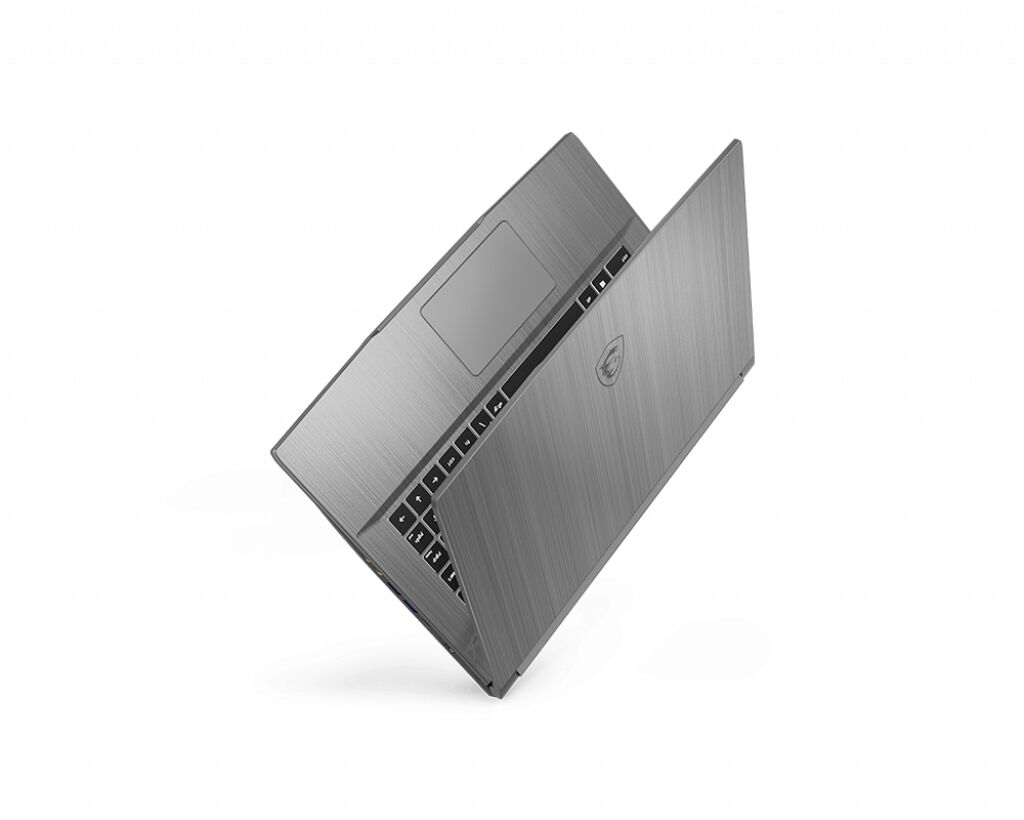
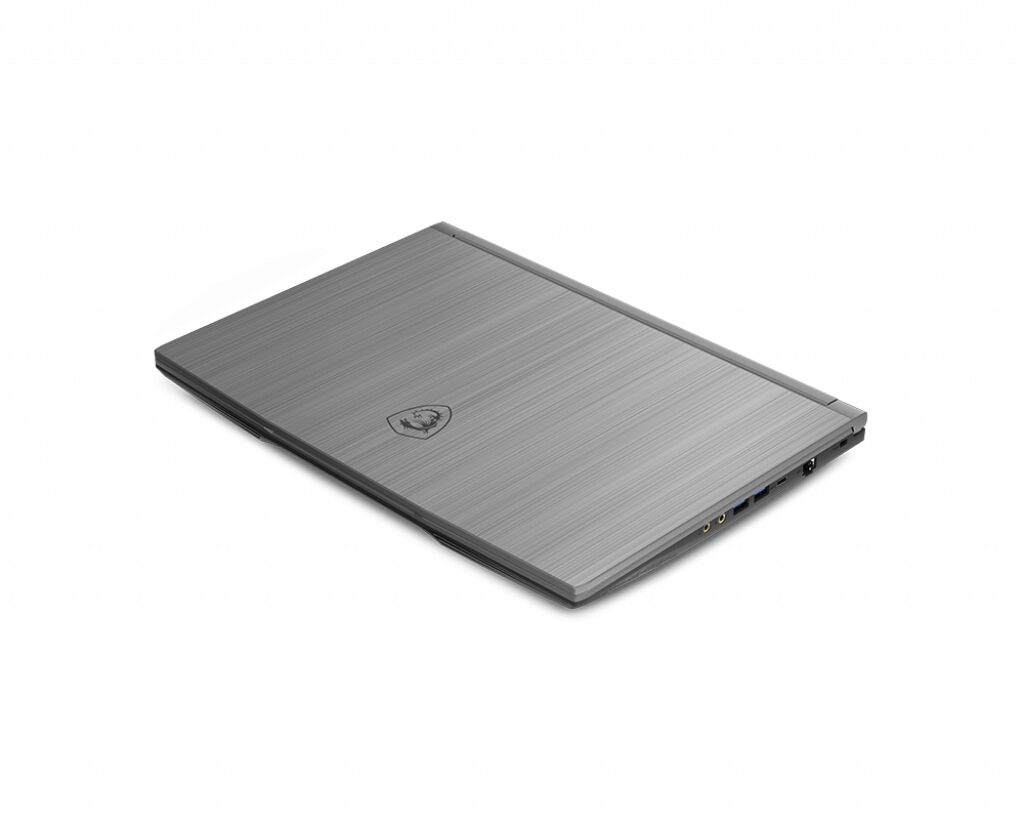
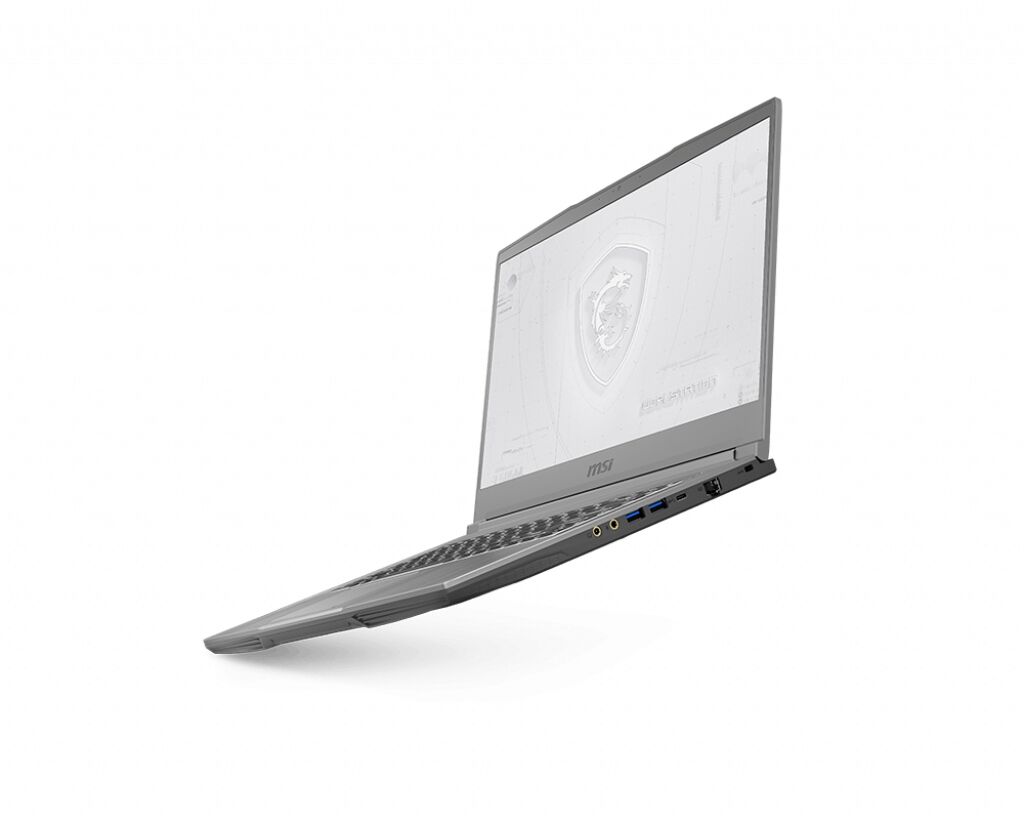
The MSI WF65 10TJ-443 workstation features DDR4-SDRAM memory upgrade specifications with two SO-DIMM slots supporting maximum capacity of 64 GB RAM. The memory operates at 2666 MHz frequency. Compatible upgrade modules utilize SO-DIMM form factor for this specific workstation model. Maximum memory configuration reaches 64 GB total across the two available slots in the WF65 series.
Memory Upgrade Specifications
| Specification | Value |
|---|---|
| Memory slots | 2x SO-DIMM |
| Form factor | SO-DIMM |
| Memory type | DDR4-SDRAM |
| Frequency | 2666 MHz |
| Maximum RAM | 64 GB |
| Voltage | 1.2V |
| Number of pins | 260-pin |
| Interface | PC4 |
| PC Speed Rating | PC4-2666 (PC4-21328) |
| Bandwidth | 21.3 GB/s |
| Laptop Release date | 22 July 2020 |
Additional Notes
- The MSI WF65 10TJ-443 workstation supports only SO-DIMM modules, which are physically incompatible with standard UDIMM desktop RAM. Sourcing compatible mobile-class memory requires verification against supplier databases, as SO-DIMM availability varies by speed tier.
- DDR4-2666 operates below contemporary standard frequencies (3200 MHz and higher). Memory upgrades at 3200 MHz or faster may clock down to 2666 MHz via JEDEC fallback, resulting in unrecoverable bandwidth loss that cannot be recovered through BIOS configuration.
- The 2-slot architecture establishes a hard ceiling of 64 GB total capacity. Dual 32 GB modules represent the maximum configuration; single-module upgrades cannot exceed this constraint regardless of future memory density improvements.
- DDR4-2666 SO-DIMMs reach market scarcity as manufacturers discontinue slower speed bins in favor of DDR4-3200 and DDR5. Procurement lead times may extend, and pricing for legacy 2666 MHz modules may exceed newer alternatives.
- Installation of mismatched frequency modules (mixing 2666 MHz with faster speeds) triggers automatic downclocking to the slowest module's specification across all populated slots, not per-channel.
- The SO-DIMM socket design permits user replacement without voiding manufacturer support, provided static discharge precautions are observed and memory compatibility matrices are consulted beforehand.