MSI Workstation WS60 6QH-414NE RAM upgrade specifications
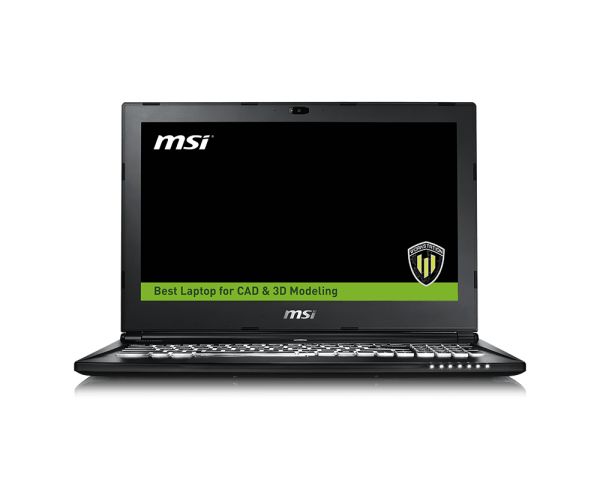
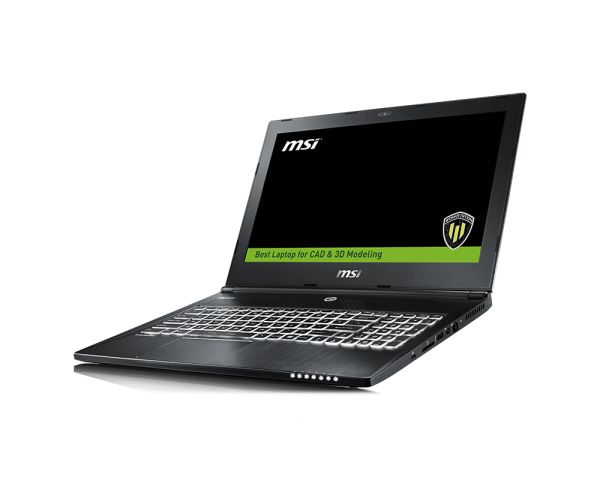



MSI WS60 6QH-414NE workstation laptop memory upgrade specifications include DDR4-SDRAM support with 2x SO-DIMM slots configured for maximum RAM capacity of 32 GB. Compatible memory modules operate at 2133 MHz frequency with SO-DIMM form factor. Upgrade options allow installation of matching DDR4 memory pairs to achieve full 32 GB capacity. Specifications define upgrade compatibility for this WS60 series professional mobile workstation model.
Memory Upgrade Specifications
| Specification | Value |
|---|---|
| Memory slots | 2x SO-DIMM |
| Form factor | SO-DIMM |
| Memory type | DDR4-SDRAM |
| Frequency | 2133 MHz |
| Maximum RAM | 32 GB |
| Voltage | 1.2V |
| Number of pins | 260-pin |
| Interface | PC4 |
| PC Speed Rating | PC4-2133 (PC4-17064) |
| Bandwidth | 17.1 GB/s |
| Laptop Release date | 02 October 2016 |
Additional Notes
- The MSI WS60 6QH-414NE workstation accepts only DDR4 modules, preventing the installation of DDR3 or DDR3L memory despite potential physical slot compatibility.
- The 2133 MHz frequency specification represents the maximum supported speed; installing higher-frequency modules will result in automatic downclocking to this baseline.
- The 32 GB ceiling requires installing two 16 GB modules to reach maximum capacity, as a single 32 GB module configuration would exceed the per-slot limitation of this chipset generation.
- SO-DIMM form factor restriction eliminates standard desktop DIMM modules from consideration, requiring notebook-specific components with smaller physical dimensions.
- Dual-channel architecture activation depends on installing matched capacity modules in both slots; asymmetric configurations will operate in single-channel mode, reducing memory bandwidth by approximately 50 percent.
- Non-ECC unbuffered modules represent the only compatible specification for this consumer workstation platform, as registered or ECC variants will trigger POST failure.
- The 6th generation Intel mobile platform limits memory voltage to 1.2V standard, making 1.35V low-voltage DDR4 modules incompatible with this specific chipset implementation.
- Accessing the memory compartment typically requires bottom panel disassembly, though this process preserves manufacturer warranty when performed without component damage.
- Mixing modules with different timing specifications will force all installed memory to operate at the slowest common timings, potentially degrading performance below single-module configurations.