MSI Workstation 8SKVPRO-008ES RAM upgrade specifications
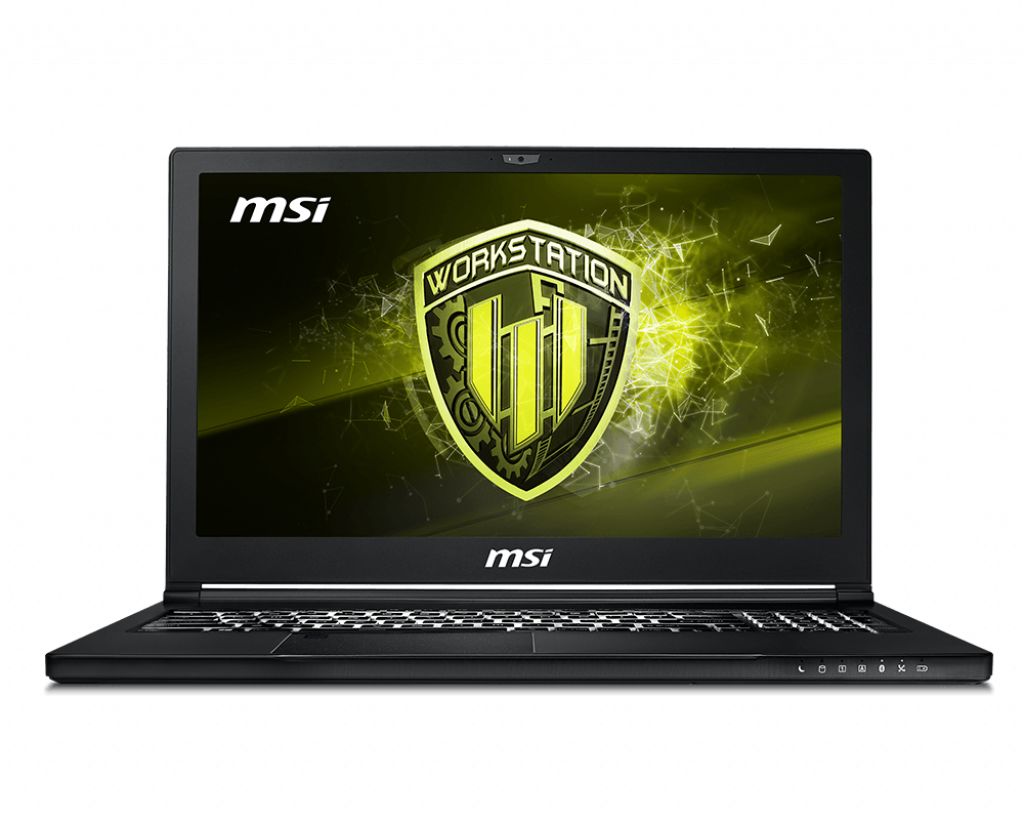
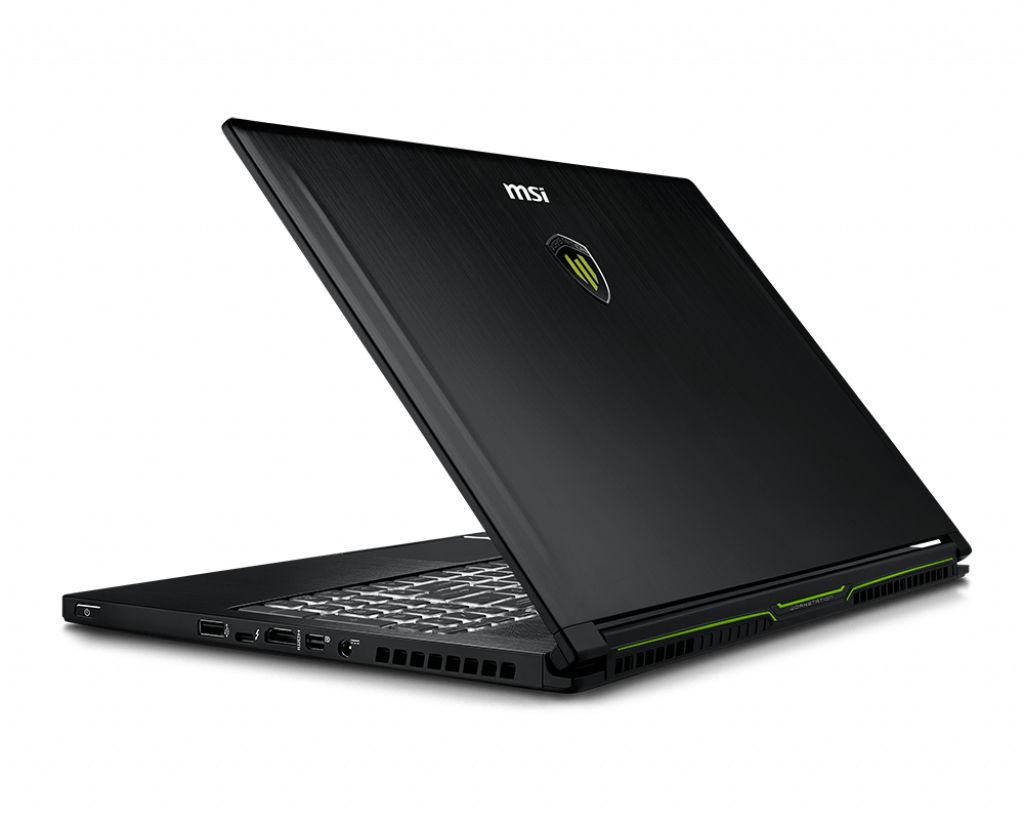
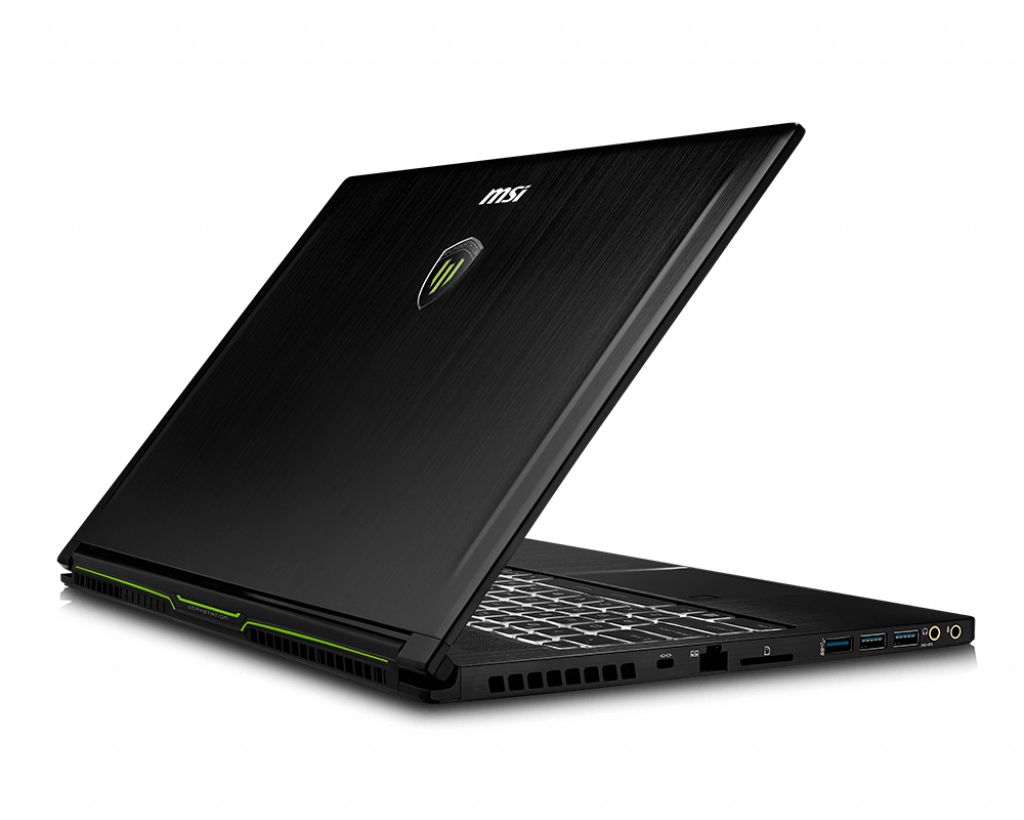
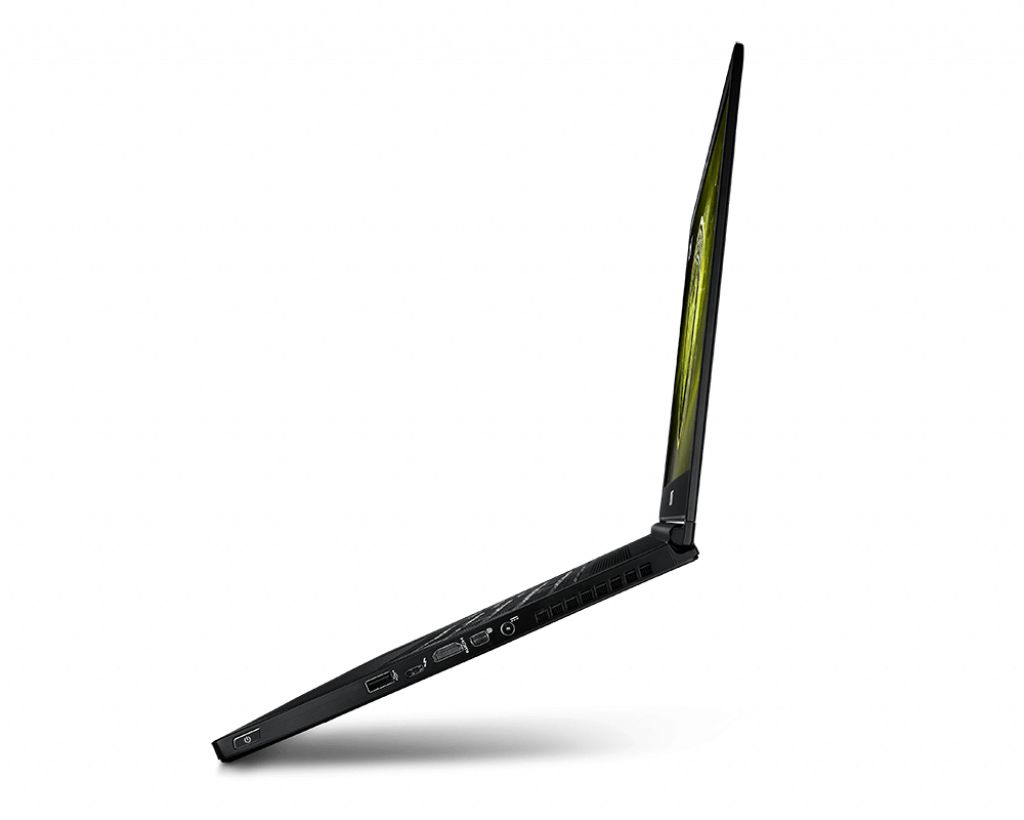
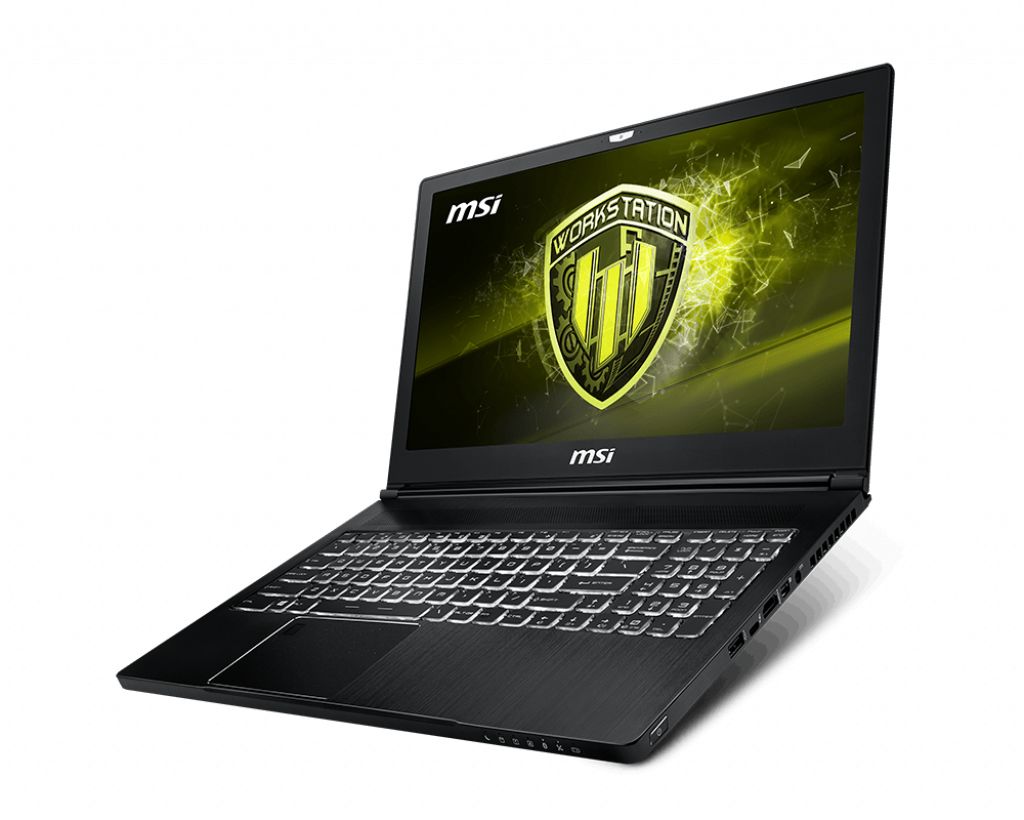
MSI WS63 8SKVPRO-008ES workstation features DDR4-SDRAM memory upgrade capability with two SO-DIMM slots supporting maximum capacity of 64 GB RAM. Compatible memory operates at 2666 MHz frequency. Specifications allow for modular memory expansion using SO-DIMM form factor modules, enabling users to upgrade from factory configurations to full 64 GB maximum capacity across both available memory slots.
Memory Upgrade Specifications
| Specification | Value |
|---|---|
| Memory slots | 2x SO-DIMM |
| Form factor | SO-DIMM |
| Memory type | DDR4-SDRAM |
| Frequency | 2666 MHz |
| Maximum RAM | 64 GB |
| Voltage | 1.2V |
| Number of pins | 260-pin |
| Interface | PC4 |
| PC Speed Rating | PC4-2666 (PC4-21328) |
| Bandwidth | 21.3 GB/s |
| Laptop Release date | 24 May 2018 |
Additional Notes
- The MSI 8SKVPRO-008ES contains 2 SO-DIMM slots with a 64 GB aggregate ceiling, establishing a maximum single-module capacity of 32 GB per slot.
- DDR4-2666 MHz operation indicates this workstation predates DDR4-3200 standardization, constraining bandwidth to 21.3 GB/s versus 25.6 GB/s available on newer memory configurations.
- SO-DIMM form factor restricts upgrades to laptop and compact mobile workstation memory modules; desktop DDR4 DIMMs cannot be installed regardless of frequency or capacity matching.
- Populating both SO-DIMM slots to the 64 GB maximum requires dual 32 GB modules, a configuration that may trigger compatibility issues with firmware revisions predating widespread 32 GB SO-DIMM support.
- Memory speed negotiation occurs at the slowest module frequency when mixing old and new modules; inserting DDR4-3200 memory into the second slot forces both modules to operate at 2666 MHz, negating performance gains.
- Single-slot operation with one 32 GB module leaves asymmetric memory configuration, disabling dual-channel architecture and reducing memory throughput by approximately 50 percent compared to balanced 16 GB plus 16 GB population.
- Manufacturer warranty coverage for aftermarket memory upgrades typically requires verification against the MSI qualified memory list; modules not appearing on the official compatibility database may void memory-related support claims.