MSI Workstation WS60 6QJ-407NE RAM upgrade specifications
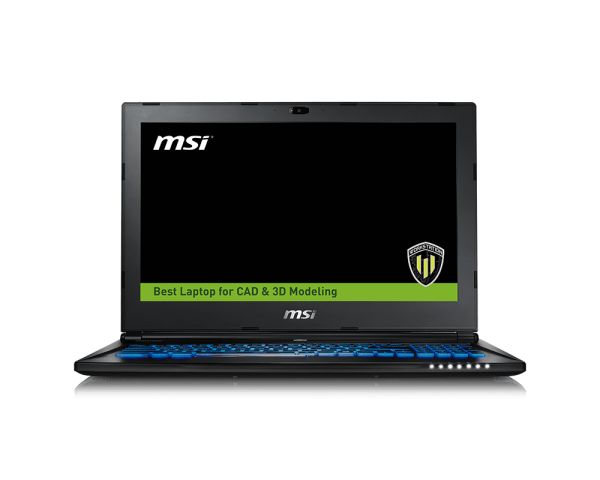
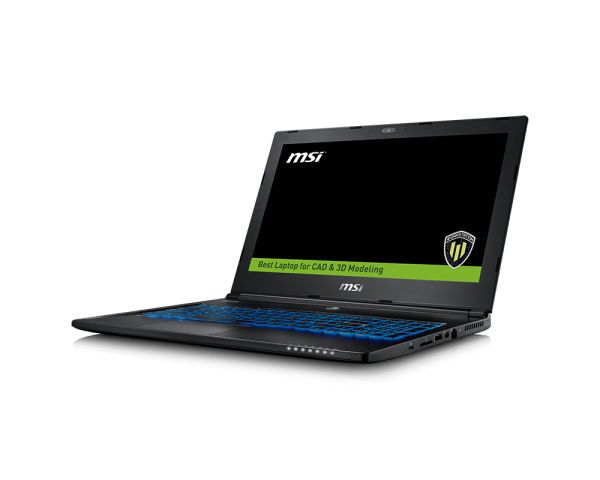

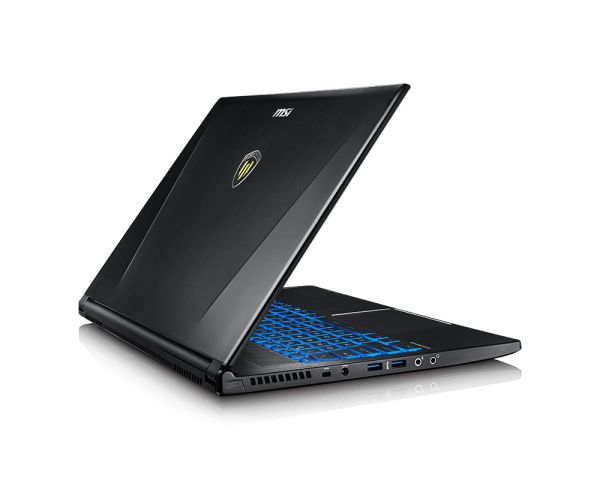
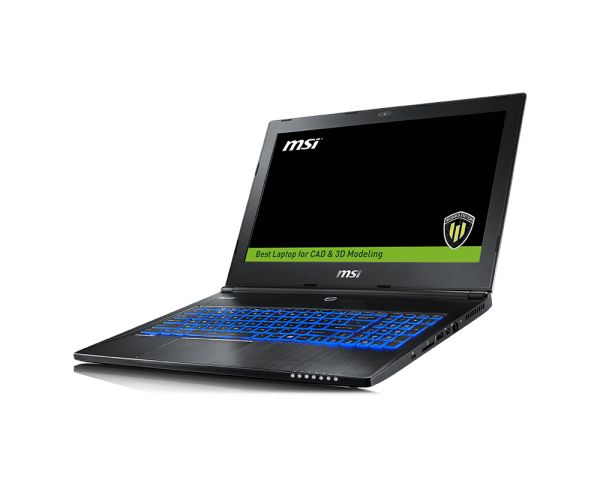
MSI WS60 6QJ-407NE workstation features DDR4-SDRAM memory upgrade specifications with two SO-DIMM slots supporting maximum capacity of 32 GB total RAM. The upgrade slots operate at 2133 MHz frequency and accept standard SO-DIMM form factor memory modules. Compatible memory upgrades must conform to DDR4-SDRAM specifications for this workstation model. Each slot accepts up to 16 GB modules, allowing users to expand from stock configurations. Memory upgrade installations require compatible DDR4 SO-DIMM modules matching the specified frequency and capacity limitations documented in system specifications.
Memory Upgrade Specifications
| Specification | Value |
|---|---|
| Memory slots | 2x SO-DIMM |
| Form factor | SO-DIMM |
| Memory type | DDR4-SDRAM |
| Frequency | 2133 MHz |
| Maximum RAM | 32 GB |
| Voltage | 1.2V |
| Number of pins | 260-pin |
| Interface | PC4 |
| PC Speed Rating | PC4-2133 (PC4-17064) |
| Bandwidth | 17.1 GB/s |
| Laptop Release date | 02 October 2016 |
Additional Notes
- The MSI WS60 workstation series implements a dual-channel SO-DIMM architecture, meaning memory upgrades must occur in pairs to achieve optimal bandwidth utilization; single-module installations will operate in single-channel mode with approximately 50% reduction in memory throughput.
- DDR4-2133 MHz specification indicates this system predates DDR4 speed standardization; higher-frequency DDR4 modules (2400 MHz, 2666 MHz, 3000 MHz) will function but will downclock to 2133 MHz, providing no performance gain while potentially voiding compatibility assurances.
- The 32 GB ceiling with 2 slots necessitates 16 GB SO-DIMM modules at maximum capacity; these high-density chips command premium pricing and face limited availability in modern markets due to industry transition toward 32 GB and 64 GB single modules.
- SO-DIMM physical constraints impose strict clearance requirements; certain coolers, heatspreader designs, or adjacent components may obstruct full seating of tall memory modules, creating installation conflicts despite electrical compatibility.
- Warranty retention typically requires memory from approved vendor lists or modules matching original specifications; purchasing unmarked or refurbished SO-DIMMs risks voiding service coverage despite technical functionality.
- The 2-slot limitation eliminates staged upgrade paths; users cannot retain existing modules while adding capacity, forcing simultaneous replacement of both positions to achieve configurations above current installed capacity.