MSI Workstation WS63 7RK RAM upgrade specifications
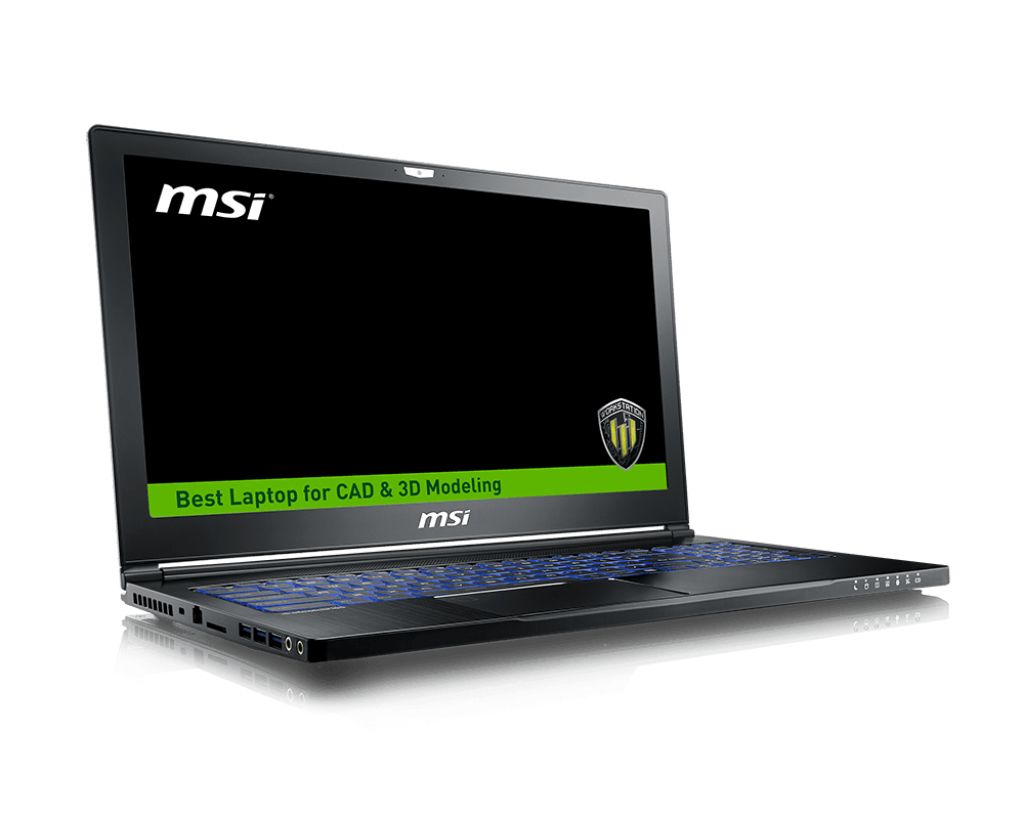


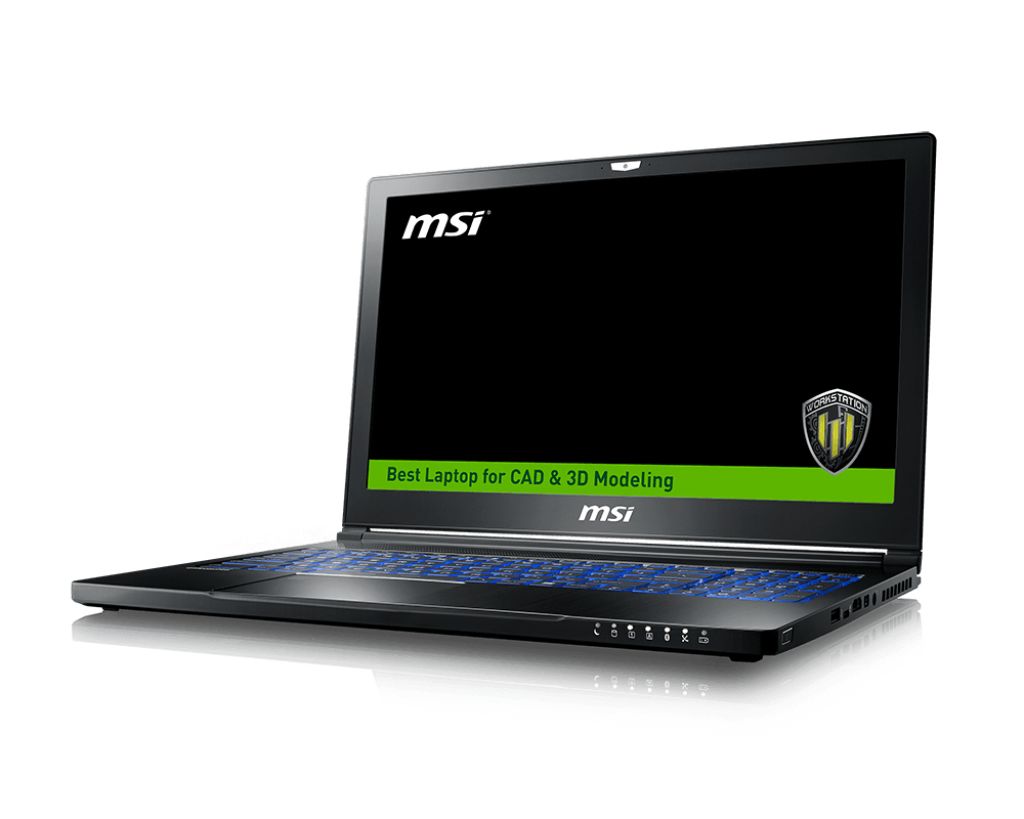

MSI WS63 7RK workstation upgrade specifications include DDR4-SDRAM memory compatible with 2x SO-DIMM slots. The system supports maximum RAM capacity of 32 GB total, operating at 2400 MHz frequency. Memory upgrades utilize SO-DIMM form factor modules. Existing memory can be replaced or additional capacity installed to reach maximum specifications through the available upgrade slots.
Memory Upgrade Specifications
| Specification | Value |
|---|---|
| Memory slots | 2x SO-DIMM |
| Form factor | SO-DIMM |
| Memory type | DDR4-SDRAM |
| Frequency | 2400 MHz |
| Maximum RAM | 32 GB |
| Voltage | 1.2V |
| Number of pins | 260-pin |
| Interface | PC4 |
| PC Speed Rating | PC4-2400 (PC4-19200) |
| Bandwidth | 19.2 GB/s |
| Laptop Release date | 26 May 2017 |
Additional Notes
- The DDR4-2400 specification limits memory bandwidth to 19.2 GB/s per module, which may constrain performance in workloads involving large dataset manipulation or real-time rendering on the MSI WS63 7RK.
- SO-DIMM modules require physical access to the bottom panel or keyboard assembly, typically involving warranty seal removal or screw disengagement specific to this workstation chassis design.
- The 32 GB ceiling necessitates 2x16 GB module pairing for maximum capacity, as 2x8 GB configurations would leave half the addressable memory unused.
- Modules exceeding 2400 MHz will downclock to match the supported frequency, rendering higher-speed DDR4-2666 or DDR4-3200 purchases functionally redundant.
- Dual-channel architecture requires matched modules in both slots to avoid reverting to single-channel mode, which halves theoretical memory throughput to 19.2 GB/s system-wide.
- Non-ECC DDR4 SO-DIMM compatibility excludes error-correcting modules commonly used in server-grade workstations, limiting mission-critical application suitability.
- Voltage requirements default to 1.2V standard DDR4 operation, as low-voltage 1.35V DDR3L modules are electrically incompatible despite physical SO-DIMM form factor similarity.
- The 260-pin SO-DIMM interface prohibits use of 204-pin DDR3 modules, even in systems where both generations share SO-DIMM labeling.
- CAS latency variations within 2400 MHz modules produce negligible real-world performance differences, making CL15 and CL17 modules interchangeable for practical workstation tasks.
- Temperature throttling risk increases with maximum 32 GB population in compact workstation enclosures lacking dedicated memory cooling zones.