MSI Workstation WS63 7RK-406FR RAM upgrade specifications
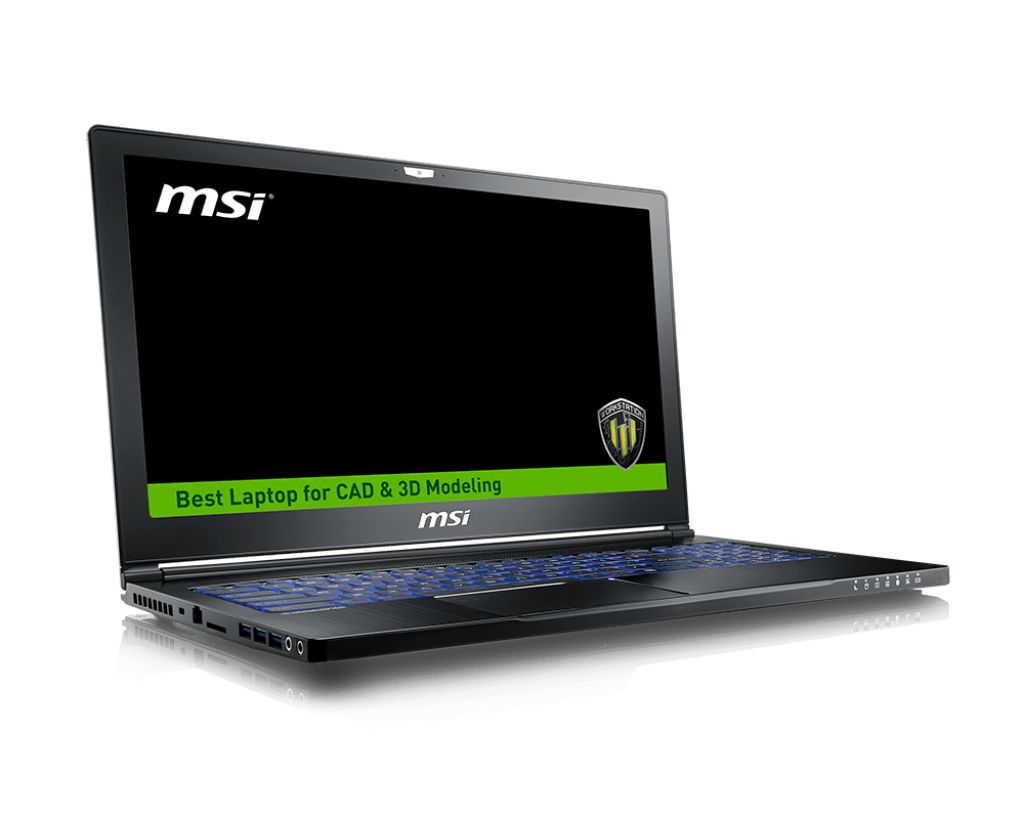

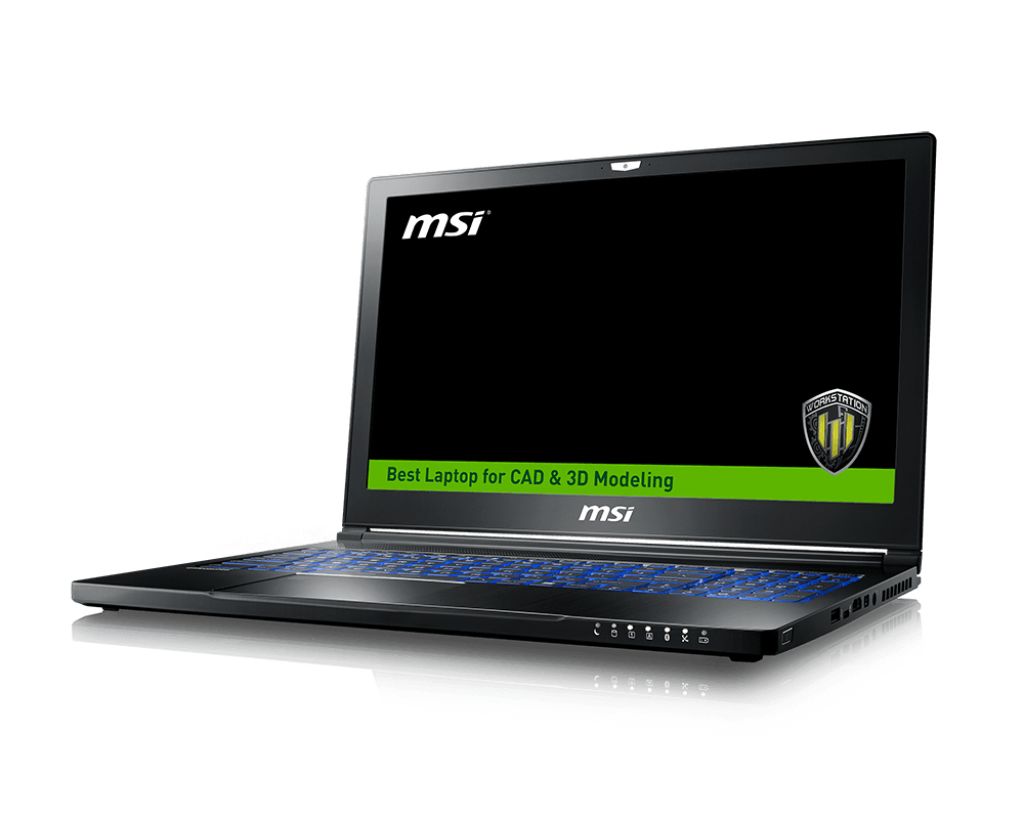

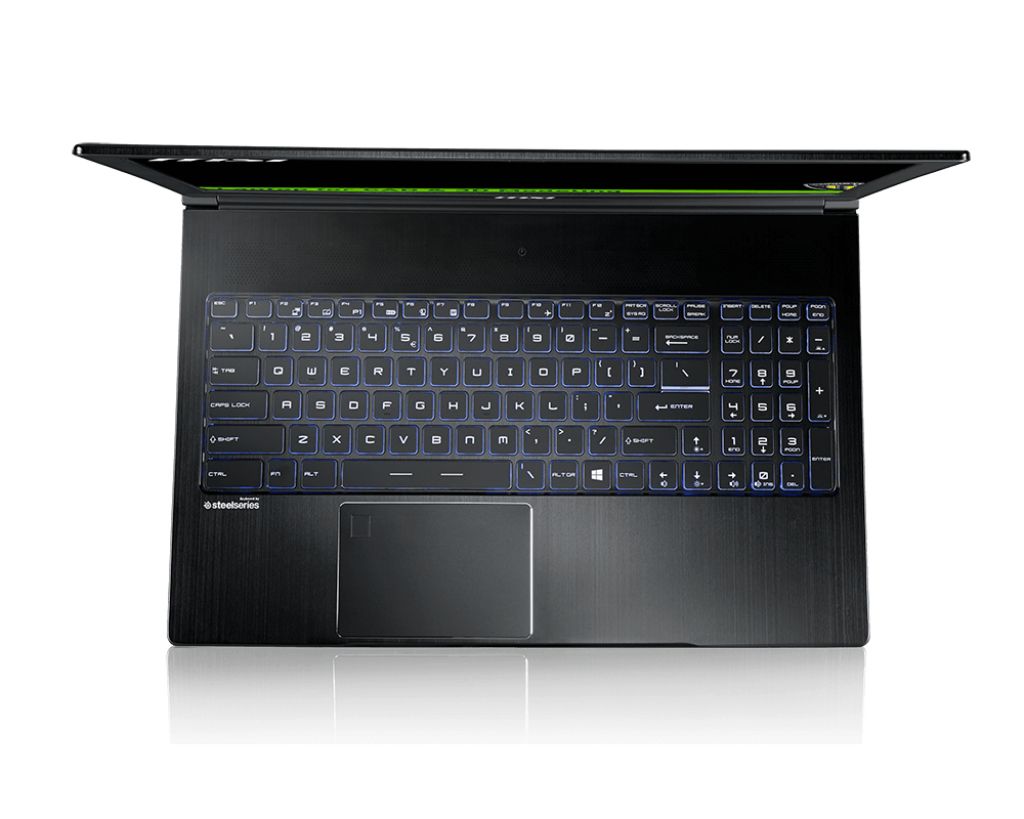
The MSI WS63 7RK-406FR Workstation series laptop features DDR4-SDRAM memory configuration with two SO-DIMM slots available for RAM upgrades. Maximum supported memory capacity reaches 32 GB total, operating at 2400 MHz frequency. Compatible memory modules must utilize SO-DIMM form factor specifications. Upgrade options allow expansion of existing memory through the dual slot architecture, with each slot accommodating individual memory modules up to the maximum capacity specifications outlined for the WS63 series configuration.
Memory Upgrade Specifications
| Specification | Value |
|---|---|
| Memory slots | 2x SO-DIMM |
| Form factor | SO-DIMM |
| Memory type | DDR4-SDRAM |
| Frequency | 2400 MHz |
| Maximum RAM | 32 GB |
| Voltage | 1.2V |
| Number of pins | 260-pin |
| Interface | PC4 |
| PC Speed Rating | PC4-2400 (PC4-19200) |
| Bandwidth | 19.2 GB/s |
| Laptop Release date | 25 May 2017 |
Additional Notes
- The MSI WS63 7RK-406FR is constrained to a 32 GB memory ceiling, which represents a significant limitation for workloads involving large datasets, 3D rendering, or concurrent virtual machine instances that typically benefit from 64 GB or higher capacities.
- Dual SO-DIMM slots mean that achieving the 32 GB maximum requires 2x16 GB modules, leaving no expansion room for future memory additions without removing existing sticks.
- DDR4-2400 MHz frequency indicates this system predates the DDR4-2666 and DDR4-3200 standards that became common in workstation platforms, creating a memory bandwidth bottleneck when paired with high-core-count processors or GPU-accelerated workloads.
- SO-DIMM form factor confirms this is a mobile workstation, making any memory upgrade a user-accessible operation that does not void standard warranties when performed with compatible DDR4-2400 modules.
- The 2-slot architecture forces a choice between symmetrical dual-channel configuration (2x16 GB) or asymmetrical operation (16 GB plus 8 GB), with asymmetrical pairing potentially reducing memory bandwidth efficiency by 5 to 10 percent depending on workload patterns.
- Memory bandwidth limitation at DDR4-2400 becomes particularly relevant in workstations; equivalent-generation systems with DDR4-2666 or faster deliver 10 to 15 percent higher memory throughput, which directly impacts performance in professional software like CAD, rendering engines, and scientific computing applications.