MSI Workstation WS63 7RK-436 RAM upgrade specifications
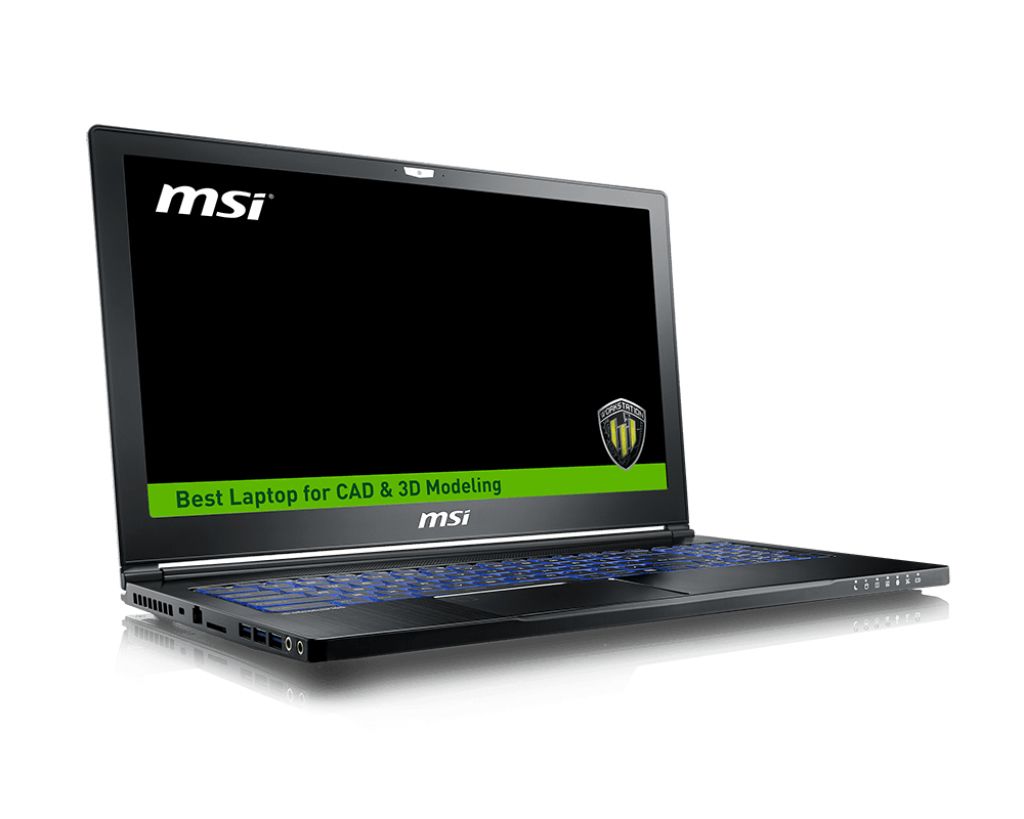
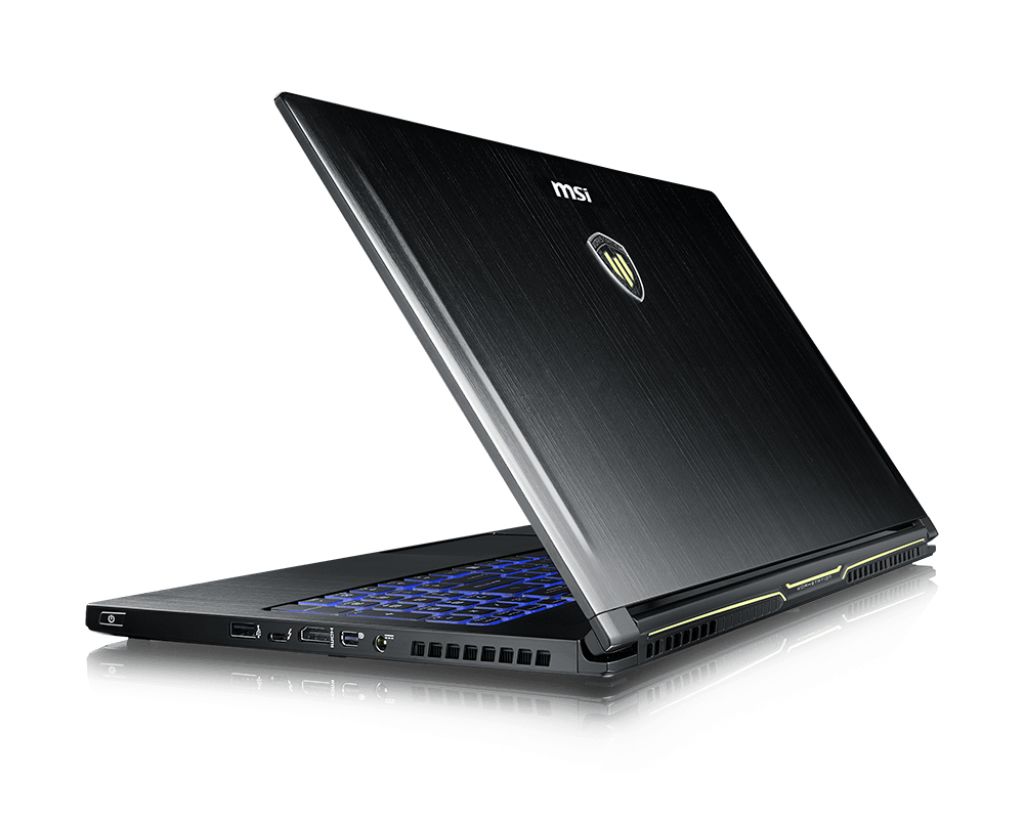
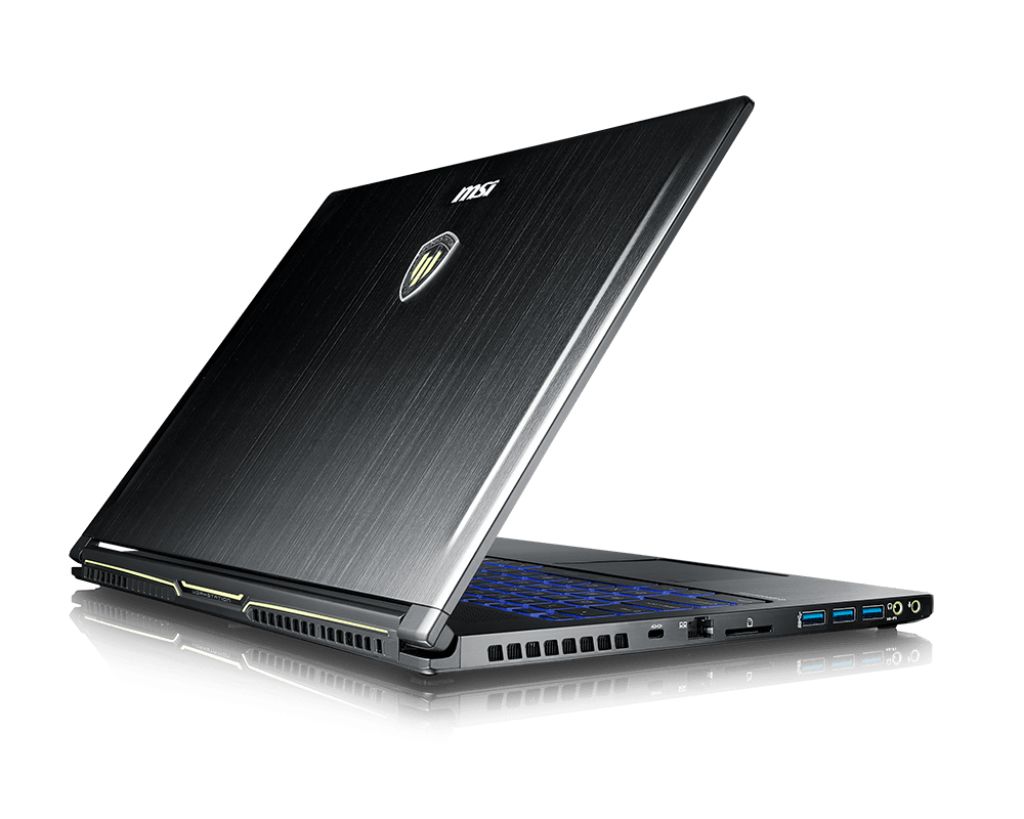
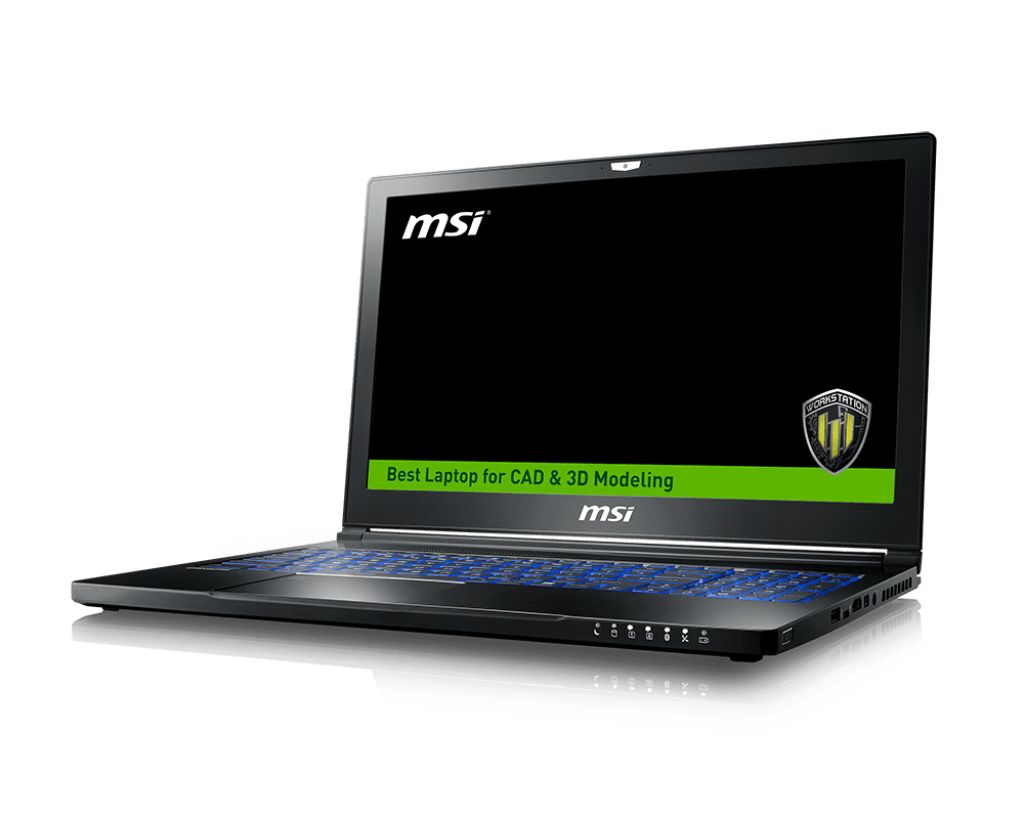
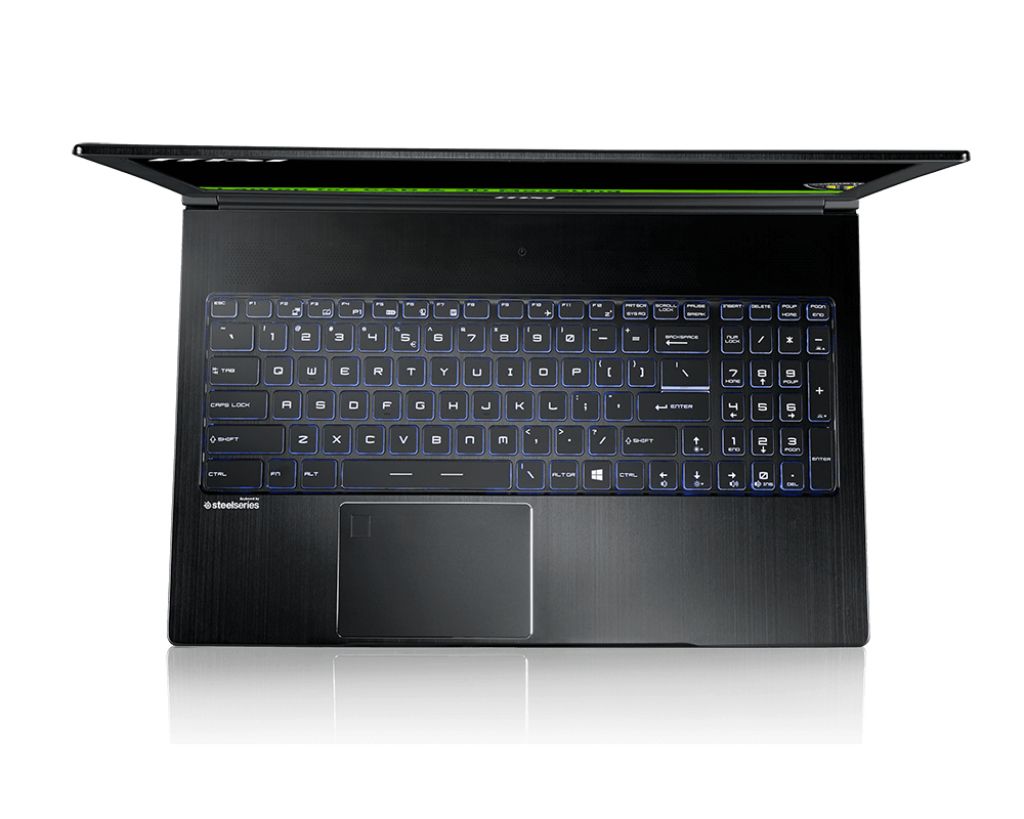
The MSI WS63 7RK-436 workstation features two SO-DIMM slots for memory expansion. The system supports DDR4-SDRAM modules operating at 2400 MHz frequency. Maximum RAM capacity reaches 32 GB when both slots are populated. Compatible upgrades utilize SO-DIMM form factor memory modules. Current specifications indicate available upgrade configurations for enhanced performance in professional computing applications.
Memory Upgrade Specifications
| Specification | Value |
|---|---|
| Memory slots | 2x SO-DIMM |
| Form factor | SO-DIMM |
| Memory type | DDR4-SDRAM |
| Frequency | 2400 MHz |
| Maximum RAM | 32 GB |
| Voltage | 1.2V |
| Number of pins | 260-pin |
| Interface | PC4 |
| PC Speed Rating | PC4-2400 (PC4-19200) |
| Bandwidth | 19.2 GB/s |
| Laptop Release date | 05 April 2017 |
Additional Notes
- The MSI WS63 7RK-436 workstation supports only 16 GB maximum capacity per SO-DIMM slot, limiting total expansion to 32 GB even if higher-density modules become available in the future.
- DDR4-2400 MHz frequency represents the tested memory speed for this platform; third-party DDR4 modules rated for 2666 MHz or higher will operate at 2400 MHz, creating no compatibility risk but negating the speed advantage of faster modules.
- The 2-slot SO-DIMM configuration eliminates the possibility of upgrading to 48 GB or 64 GB capacity, a constraint that may impact workloads requiring large in-memory datasets or virtualization environments.
- SO-DIMM form factor requires laptop-specific memory modules; standard UDIMM RAM used in desktop workstations cannot be installed, eliminating any opportunity to repurpose existing desktop memory.
- Removing factory memory to install aftermarket modules may void the manufacturer warranty; retention of original modules or verification of warranty terms before installation is necessary for coverage preservation.
- DDR4-2400 bandwidth (19.2 GB/s per channel) may create throughput constraints in applications performing intensive matrix operations or GPU data transfers, as the memory bus operates below modern standard frequencies of 3200 MHz or greater.